A lot of our records are stored online now, but that does not mean paper documents have become useless. Some papers still serve as proof of who you are, what you own, what you have paid, or what kind of care you have received.
Replacing a lost document can also take much longer than expected. You may have to contact a government office, request an official copy, pay a fee, or wait several weeks for the replacement to arrive.
Keeping your most important paperwork together and in a secure place can save you a lot of hassle later. A fireproof safe, locked filing cabinet, or secure storage box can give you a reliable place for documents you rarely need but cannot afford to lose.
Here are 14 documents worth keeping somewhere safe.
1. Will and Testament
Your will explains how you want your property and other assets handled after your death. It can also name the person you want to manage your estate and, depending on your circumstances, address guardianship wishes for children.
Keep the original in a secure location and make sure the people who may need to find it know where it is. A will that nobody can locate when it is needed can create unnecessary problems for your family.
Related: 19 Important Documents You Should Never Throw Out
2. Property Deeds and Titles
Deeds and titles provide records of ownership for major assets such as your home, land, and vehicles.
You may need these documents during a sale, refinance, transfer of ownership, or other legal transaction. Keep the originals in a safe place and keep digital copies for your own records.
3. Annual Tax Returns
Tax paperwork can pile up quickly, but throwing away old returns too soon can leave you scrambling if you need them later.
Keep copies of your tax returns along with important supporting documents. The IRS has different recordkeeping periods depending on the situation, so check its current guidance rather than relying on one rule for every tax document.
4. Immunization Records
Vaccination records can be useful for children starting school, adults starting new jobs, travel, college enrollment, and certain medical appointments.
Old records can also be surprisingly difficult to track down, especially if you have moved or changed doctors several times. Keep copies for everyone in the household and store them with your other important paperwork.
Related: 17 Ways to Put Old Newspapers to Work in Your Garden
5. Insurance Policies
Insurance paperwork tells you what coverage you have, what limits apply, and who to contact when you need to file a claim.
Keep copies of your health, auto, homeowners, renters, life, and other relevant policies. It is also helpful to keep the insurer’s contact information somewhere easy to find in case you need it during an emergency.
6. Marriage Certificates
A marriage certificate can be needed for name changes, insurance matters, financial accounts, government benefits, and other legal paperwork.
Keep the original in a secure location and consider keeping a digital copy for situations where you need to reference the information without taking the original out of storage.
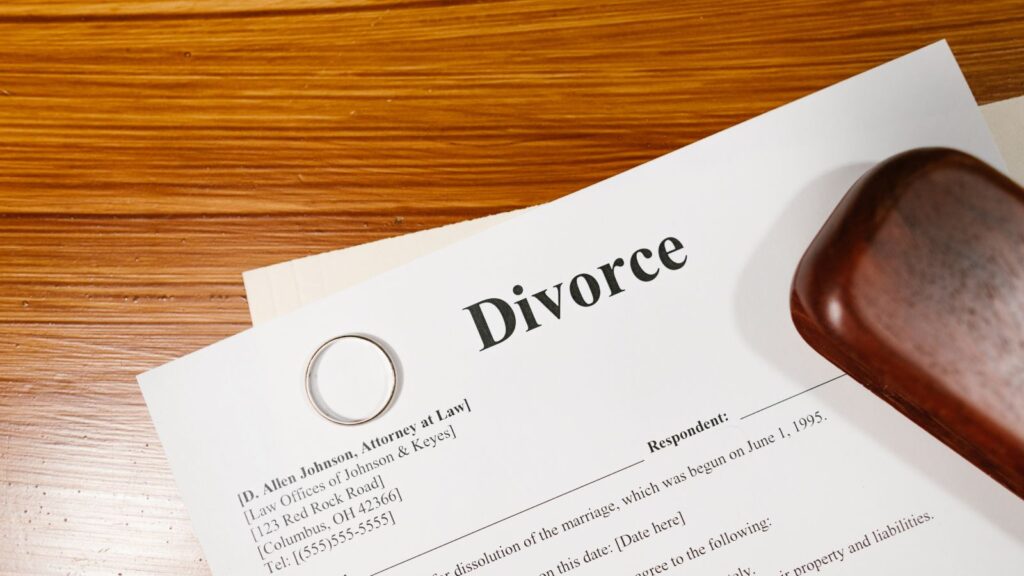
7. Divorce Papers
Divorce records can contain information about property division, custody, child support, spousal support, and other agreements made during the divorce.
These documents may be needed years after the divorce has been finalized. Keep the final orders and other important paperwork together rather than assuming you will be able to get another copy quickly.
8. Birth Certificates
A birth certificate is one of the main documents used to establish your identity and date of birth.
You may need it for a passport application, certain government benefits, school enrollment, employment paperwork, or other official matters. Keep the original somewhere secure and avoid carrying it around unless you actually need it.
Related: 16 Things You Should Always Store Somewhere Other Than the Kitchen Counter
9. Social Security Cards
Social Security cards contain information that should be protected carefully.
You may need the number for employment, taxes, and government paperwork, but the physical card usually does not need to be carried in your wallet every day. Store it somewhere secure and be cautious about giving out the number.
If the card is lost or stolen, act quickly and watch for signs of identity theft.
10. Passports
A passport is more than a travel document. It is also an important form of identification.
Keep your passport somewhere secure when you are not traveling. Check the expiration date from time to time, especially if you think you might need to travel on short notice. Replacing a lost passport can take time and may require additional paperwork.
11. Medical Records
You do not need to keep every medical paper you have ever received, but copies of important records can be useful.
Keep records related to major diagnoses, surgeries, treatments, medications, allergies, and immunizations. Having this information available can make things easier if you change doctors or need to provide your medical history to a new provider.
12. Educational Records
Diplomas, degrees, transcripts, professional certificates, and other school records can become useful long after graduation.
An employer, college, licensing board, or certification program may ask for proof of your education or training. Keep the original documents in a secure place and save digital copies when possible.
13. Military Records
Military records can be especially important for veterans who need to apply for healthcare, education, housing, disability, or other benefits.
Discharge paperwork and other service records can also be difficult to replace if the originals are lost. Keep these documents with your other permanent records and consider storing digital copies in a secure location.
14. Power of Attorney Documents
A power of attorney gives another person legal authority to act on your behalf in certain circumstances. Depending on the document, that authority may involve financial decisions, property, healthcare, or other matters.
Keep the signed documents somewhere secure and make sure the people who may need to use them know where the originals are located. Since these documents can have serious legal consequences, keep them current and follow the requirements that apply in your state.
Keep Your Most Important Paperwork Together
You do not need to keep every piece of paper that comes through your home. Focus on records that would be difficult to replace or that prove something important about your identity, property, finances, family, health, or legal affairs.
A fireproof safe or another secure storage option can protect the originals, while encrypted digital copies can give you a backup if the paper documents are damaged or lost. Check your files once or twice a year and replace outdated documents when needed.
A little organization now can save you from a frantic search for paperwork later.