Preparedness is about more than filling a pantry with food and stacking cases of water in the garage. The way you live every day matters, too. Staying active, keeping useful skills fresh, taking care of your health, and knowing how to work through stressful situations can all make a difference when life takes an unexpected turn.
You do not have to completely change your lifestyle overnight. Small habits practiced regularly can become second nature, which is useful when you are tired, stressed, or dealing with an emergency.
Here are 15 habits that can help preppers stay healthier, more capable, and better prepared.

1. Stay Physically Active
Being in decent physical shape can make everyday emergencies easier to handle. Carrying supplies, walking long distances, moving heavy objects, climbing stairs, or spending hours on your feet all require some level of strength and stamina.
You do not need an elaborate gym routine. Walking, cycling, swimming, bodyweight exercises, and regular outdoor activities can all help keep you moving.
Related: 14 Smart Prepping Habits That Separate Prepared People From Hoarders
2. Practice Functional Fitness
Some types of exercise have a direct connection to things you might actually need to do during an emergency.
Try carrying a loaded backpack, lifting and moving objects safely, walking on uneven ground, climbing hills, or hiking for longer distances. If you keep a bug-out bag, taking it on occasional hikes can give you a better idea of how the weight feels before you actually need to carry it.
3. Eat a Balanced Diet
Your food choices affect your energy, strength, and overall health.
Build meals around a mix of protein, fruits and vegetables, whole grains, healthy fats, and other foods that give you the nutrients your body needs. A good diet also makes it easier to maintain your energy during physically demanding days.
Your stockpile should reflect this habit, too. If your emergency food supply consists mostly of foods your household rarely eats, it may be worth adding more familiar and nutritious options.
4. Make Hydration a Daily Habit
Staying hydrated should not be something you only think about during an emergency.
Keep drinking water throughout the day and pay attention to how much you need during hot weather or physical activity. For preparedness, keep a supply of stored water and know how you will filter or treat additional water if your regular supply becomes unavailable.
Having the equipment is useful, but knowing how to use it before an emergency is even better.
Related: 13 Everyday Cleaning Habits That Do More Harm Than Good
5. Protect Your Sleep
Sleep is easy to overlook during busy weeks, but being tired can affect your concentration, mood, reaction time, and ability to make decisions.
Try to keep a regular sleep schedule and create a bedroom environment that makes it easier to rest. Learning what helps you sleep well now can be useful if you eventually have to deal with stressful conditions, unusual schedules, or disrupted routines.
6. Practice Stress Management
Emergencies can create plenty of stress, and panic rarely makes a difficult situation easier.
Simple habits such as controlled breathing, meditation, prayer, quiet walks, journaling, or taking a few minutes away from the noise can help you manage everyday stress. Practice these techniques before you need them so they feel familiar during a difficult situation.
7. Keep Your Problem-Solving Skills Sharp
Preparedness often means dealing with problems you did not expect.
Work on thinking through different scenarios instead of relying on a single plan. Puzzles, strategy games, repair projects, and hypothetical emergency situations can all give you practice making decisions with limited information.
You can also look around your own home and ask questions such as: What would I do if the electricity went out for three days? How would I cook? How would I get water? What would happen if the main road were closed?
These questions can reveal gaps in your plans.
Related: 10 Money-Saving Habits From Grandma That Feel Almost Uncomfortable Today
8. Get Comfortable With Being Uncomfortable
You cannot control the weather, and an emergency may not happen under pleasant conditions.
Spend time outdoors in different types of weather while using good judgment about safety. Hiking in light rain, spending time outside during colder mornings, or exercising in warm conditions can help you learn how your body responds.
This does not mean putting yourself in dangerous conditions. The goal is to become familiar with normal discomfort and learn how to manage it safely.
9. Stay Connected With Other People
Self-sufficiency does not mean doing everything alone.
Family, friends, neighbors, and community members can become valuable sources of help during a crisis. One person may know first aid, another may have repair skills, and someone else may have tools or equipment that can solve a problem.
Strong relationships also provide emotional support when things get difficult.
10. Keep a Positive, Practical Mindset
It is easy to focus on everything that could go wrong. Preparedness is more useful when it also teaches you to look for solutions.
If something goes wrong, focus on what you can control. Make a list of the immediate problems, deal with them one at a time, and avoid wasting energy on things that are outside your control.
The goal is not to pretend everything will be fine. It is to stay focused enough to make useful decisions when circumstances are difficult.
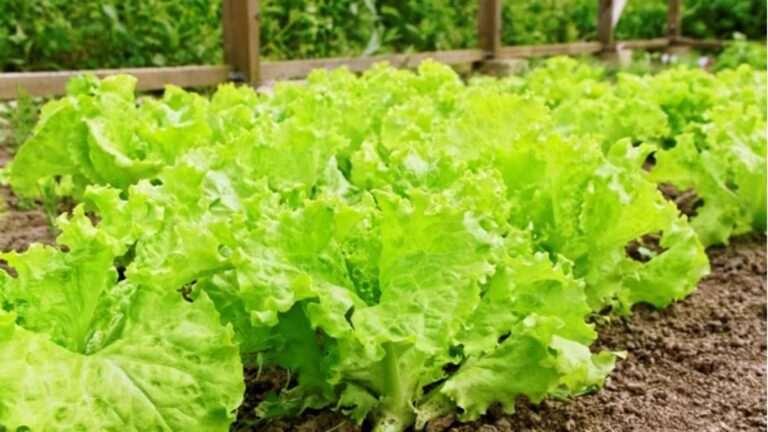
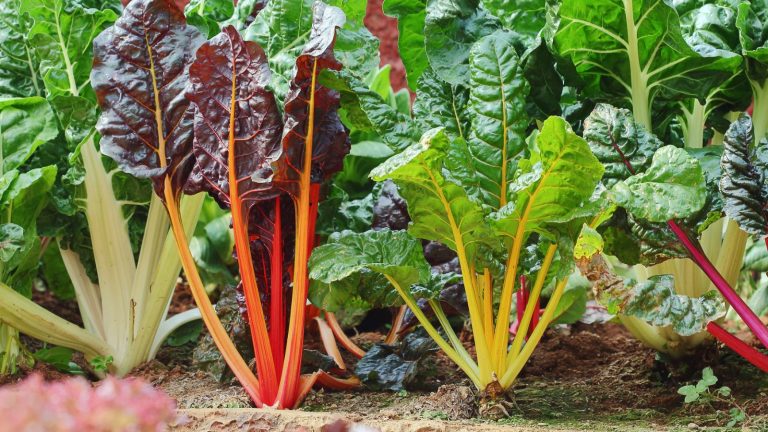
11. Grow and Preserve Some of Your Own Food
Growing food can teach you a lot about how much work goes into producing even a small harvest.
Start with a few vegetables or herbs that grow well in your area. Once you have some experience, learn ways to preserve what you grow, such as dehydrating, freezing, fermenting, or pressure canning when appropriate.
Gardening also gives you another way to supplement your food supply instead of depending entirely on grocery stores.
12. Practice First Aid
A first-aid kit is useful, but it cannot replace knowing what to do with it.
Refresh your knowledge of basic first aid, wound care, CPR, and other emergency skills. Taking a recognized first-aid or CPR course can give you hands-on practice that reading instructions alone cannot provide.
Check your medical supplies from time to time, too. Replace expired items and make sure commonly used supplies have not run out.
13. Rotate and Check Your Supplies
A stockpile can become useless if you forget about it.
Check your food, water,
This routine can also uncover problems such as leaking containers, dead
14. Pay Attention to Your Surroundings
Situational awareness is a habit you can practice almost anywhere.
Pay attention to weather reports, local alerts, road conditions, nearby hazards, and changes around your home. Know where your household’s utility shutoffs are and learn the safest routes out of your neighborhood.
You do not need to live on high alert. The point is to notice useful information before a small problem turns into a bigger one.
15. Practice Practical Survival Skills
Skills tend to fade when they are never used.
Practice starting a fire safely, using a map and compass, setting up a shelter, cooking without electricity, purifying water, and handling basic repairs. Rotate through these skills instead of practicing one once and assuming you will remember it years later.
Hands-on practice also helps you figure out which tools actually work for you and which ones belong in the “good idea at the store” category.
Related: 21 Self-Sufficiency Skills People Used Before Modern Convenience
Make Preparedness Part of Your Routine
You do not need to spend every weekend preparing for a disaster. A few useful habits worked into your normal routine can make preparedness feel much more manageable.
Walk regularly, learn basic first aid, grow a few vegetables, check your supplies, practice useful skills, get enough sleep, and stay connected with the people around you. Over time, those habits can make you more capable in everyday life and better prepared when something unexpected happens.