More people are trading city life for a quieter routine filled with vegetable gardens, backyard chickens, fruit trees, and open space. Before making that move, it’s worth thinking carefully about where you’ll settle, since the right location can make a big difference to your budget and daily workload.
Some states offer long growing seasons and plenty of rainfall, while others appeal to homesteaders with lower land prices or room for livestock. Climate, water access, property taxes, and local zoning rules all deserve a close look before buying land, so here are 17 states worth considering.
1. Georgia
Georgia has a long growing season, productive soil in many areas, and weather that supports a wide range of crops and livestock. Summers can be hot and humid, while coastal areas face hurricane risks.
- USDA Hardiness Zones: 7–9
- Average Annual Rainfall: 45–75 inches
Related: Are Chickens Allowed In My City? Chicken Laws of Select US States
2. Montana
Montana offers wide-open spaces, extensive grazing land, and room for people who want to raise cattle, sheep, or other livestock. Long, cold winters, short growing seasons in some areas, and limited rainfall can make gardening more challenging.
- USDA Hardiness Zones: 3–6
- Average Annual Rainfall: 11–25 inches
Related: 20 Practical Things You Can Do With Beeswax Besides Making Candles
3. Idaho
Idaho has established farming communities, productive agricultural areas, and plenty of options for people interested in rural or off-grid living. Drought can affect parts of the state, so check local water rights, irrigation access, and well availability before purchasing property.
- USDA Hardiness Zones: 3–7
- Average Annual Rainfall: 11–50 inches
Related: 13 Grocery Stores That Can Help You Save More on Every Shopping Trip
4. Wyoming
Wyoming appeals to homesteaders who want larger properties for livestock, grazing, and rural living. Dry conditions, strong winds, and limited rainfall can make growing vegetables and keeping water available more demanding.
- USDA Hardiness Zones: 3–6
- Average Annual Rainfall: 6–20 inches
Related: 12 American Foods That Are Banned in Other Countries
5. Missouri
Missouri has productive farmland, many affordable rural communities, and a growing season that supports vegetable gardens, orchards, and small farms. Hot summers, humidity, mosquitoes, and garden pests can make outdoor work less comfortable during warmer months.
- USDA Hardiness Zones: 5–7
- Average Annual Rainfall: 35–50 inches
6. Arkansas
Arkansas has mild winters, plenty of rainfall in many areas, and conditions suited to growing vegetables, planting fruit trees, and raising livestock. Summers can be humid, and some parts of the state face tornadoes and severe thunderstorms.
- USDA Hardiness Zones: 6–8
- Average Annual Rainfall: 40–60 inches
7. Tennessee
Tennessee has a strong tradition of small farms, gardens, and rural living, with many counties offering access to timber and fresh water. Humid summers, heavy rain, and occasional severe storms can affect gardening, outdoor projects, and livestock care.
- USDA Hardiness Zones: 6–8
- Average Annual Rainfall: 40–65 inches
8. Kentucky
Kentucky offers rolling pastures, productive farmland, and conditions that suit livestock, vegetable gardens, and fruit orchards. Warm, humid weather can bring plenty of insects and plant diseases, so garden maintenance may take extra work in summer.
- USDA Hardiness Zones: 6–7
- Average Annual Rainfall: 40–50 inches
9. Maine
Maine has a long history of rural living, and its cooler summers suit crops such as potatoes, leafy greens, berries, and certain fruit trees. Long winters and a short growing season mean you’ll need to plan carefully for food storage, cold-weather chores, and seasonal planting.
- USDA Hardiness Zones: 3–5
- Average Annual Rainfall: 30–50 inches
10. North Carolina
North Carolina gives homesteaders a choice of mountain properties, rolling farmland, and coastal plains, with growing seasons that can support several crops in many areas. Coastal locations face hurricane risks, while hot summers and high humidity can make outdoor work more demanding.
- USDA Hardiness Zones: 6–8
- Average Annual Rainfall: 37–60 inches
11. Texas
Texas has a wide range of climates and plenty of rural property options, so you can plan anything from a small garden homestead to a larger livestock operation. Severe heat, drought, and water shortages affect some regions, so choose a location based on its water supply and the crops or animals you plan to keep.
- USDA Hardiness Zones: 6–9
- Average Annual Rainfall: 8–60 inches
12. Oregon
Oregon has productive farmland, a strong agricultural community, and areas well suited to vegetables, berries, orchards, and other crops. Conditions vary widely across the state, with wetter western areas and much drier eastern regions, so research rainfall, soil, and irrigation needs before choosing a property.
- USDA Hardiness Zones: 4–9
- Average Annual Rainfall: 8–200 inches
13. Colorado
Colorado gets plenty of sunshine, making solar energy worth considering for homes and rural properties away from utility lines. Limited water supplies, high elevation, and short growing seasons in mountain areas can make gardening and livestock care more demanding.
- USDA Hardiness Zones: 3–7
- Average Annual Rainfall: 15–25 inches
14. Arizona
Arizona’s warmer regions allow people to grow certain crops during much of the year, and the state’s abundant sunshine makes solar energy a practical option for many homes. Extreme summer heat and scarce water require careful planning for gardens, livestock, and everyday household needs.
- USDA Hardiness Zones: 4–10
- Average Annual Rainfall: 3–22 inches
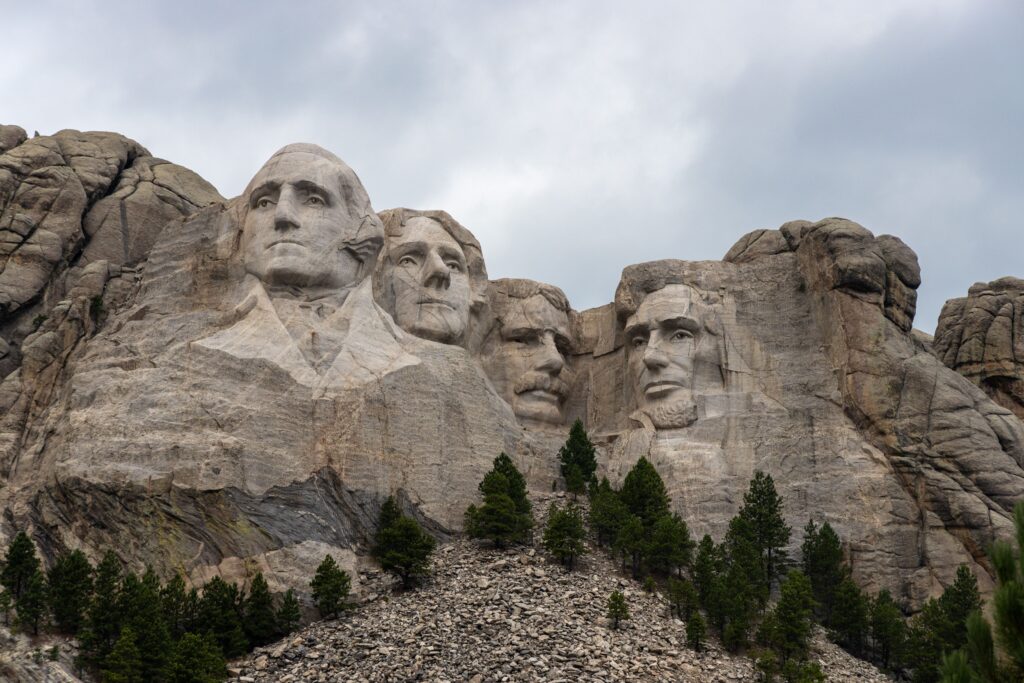
15. South Dakota
South Dakota offers rural land and a long farming tradition, which can appeal to homesteaders interested in growing crops or raising livestock. Cold winters, limited rainfall in some areas, and a relatively short growing season call for careful planning and suitable crop choices.
- USDA Hardiness Zones: 3–5
- Average Annual Rainfall: 15–26 inches
16. Alaska
Alaska appeals to people seeking remote living, and its long summer daylight hours can support surprisingly productive vegetable gardens in suitable areas. Severe winters, high supply costs in remote communities, and limited access to services can make day-to-day homestead life more demanding.
- USDA Hardiness Zones: 1–8, depending on the region
- Average Annual Rainfall: 22–275 inches
17. Florida
Florida’s warm weather supports crops that struggle in colder states, including citrus, tropical fruits, and many heat-loving vegetables. Hurricanes, high humidity, insects, and plant diseases can create year-round challenges for gardens, buildings, and livestock.
- USDA Hardiness Zones: 8–11
- Average Annual Rainfall: 40–70 inches