Homesteading can get expensive, especially when you’re buying tools, cookware, building materials, and other supplies for your property. Thrift stores, flea markets, estate sales, and garage sales are great places to find secondhand items that still have plenty of life left.
Some older goods were built to last, and buying them used can free up more of your budget for other homestead needs. Knowing what to look for can help you find practical bargains without bringing home items that need more repairs than they’re worth.
1. Durable Cookware
Cast iron skillets, Dutch ovens, and stainless steel pots are often excellent secondhand finds because they can last for decades with proper care. A little surface rust on cast iron isn’t necessarily a dealbreaker, since many pieces can be cleaned and seasoned again for everyday cooking, baking, and outdoor meals.
Related Article: Homestead How-To Weekly Wishlist
2. Hand Tools
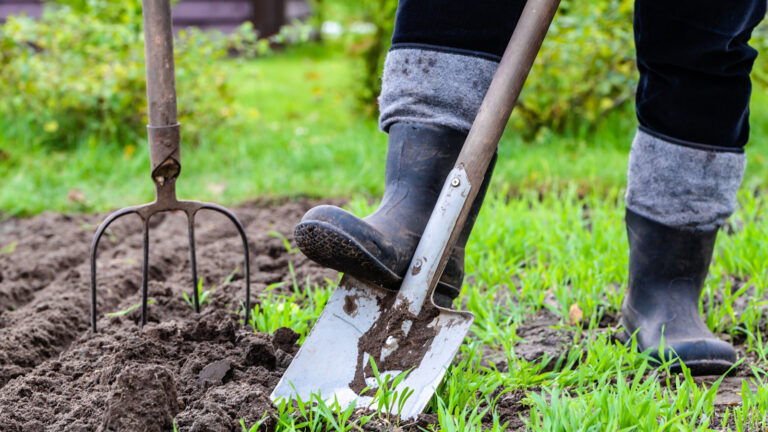
Older shovels, hoes, hammers, wrenches, and pruning shears can be great buys if their main parts are still in good condition. Worn paint and light rust are often easy to deal with, while loose heads, badly cracked handles, and deeply damaged blades may call for more work than the tool is worth.
3. Canning Supplies
Thrift shops often carry canning jars, jar lifters, funnels, racks, and water bath canners for less than you’d pay for new supplies. Check every jar for chips or cracks around the rim, and inspect canners for damage before buying, especially pressure canners that may need compatible replacement parts or a gauge check.
Related: Healthy Canned Foods That Make Smart Pantry Staples
4. Wool Blankets
A wool blanket can keep you warm on chilly nights, during heating outages, or while camping outdoors. Check thrift shops and military surplus stores for older blankets, and inspect them for moth damage, thinning areas, strong odors, and signs of poor storage before bringing one home.
Related Article: 14 Powerful Medicinal Plants for a Self-Sufficient Homestead
5. Manual Kitchen Tools
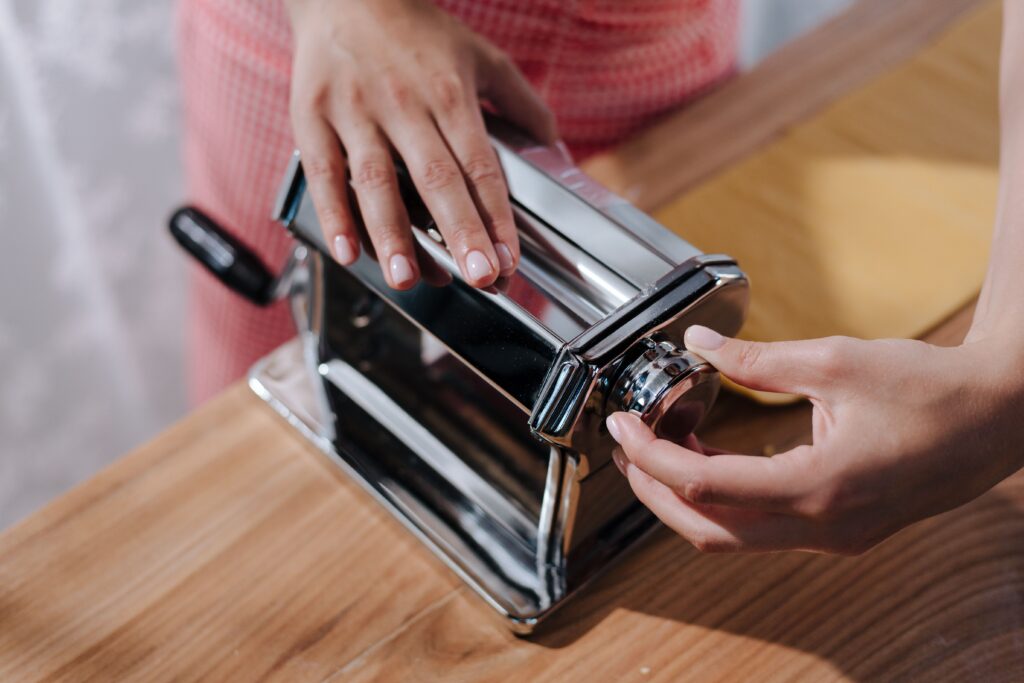
Hand-crank mixers, meat grinders, food mills, peelers, and grain mills are handy because they work without electricity. Check that the moving parts work smoothly and that anything touching food is cleanable, free of heavy rust, and safe to use.
6. Fabric and Sewing Supplies
Old cotton sheets, tablecloths, blankets, and fabric remnants can provide inexpensive material for sewing, patching clothes, or making reusable household items. Jars of buttons, spare zippers, ribbon, and vintage sewing patterns are also worth checking out, since small supplies can be surprisingly costly when purchased new.
7. Bakeware
Bread pans, pie plates, muffin tins, roasting pans, and enamel baking dishes are often available at thrift stores for a fraction of their original price. Look for pieces without cracks, deep rust, peeling coatings, or badly warped bases so you can put them to work in your homestead kitchen.
Related Article: 22 Homestead Kitchen Items You’ll Wish You Bought Sooner
8. Lumber and Building Materials
Salvage yards, Habitat resale shops, and some thrift stores sell reclaimed lumber, old doors, windows, hinges, and other building supplies. These materials can help with projects such as garden beds, chicken coops, storage shelves, and compost bins, provided they’re sound and free from hazardous treatments or damage.
9. Storage Bins and Baskets
Wooden crates, woven baskets, metal bins, and sturdy containers can help keep tools, pantry supplies, craft materials, and household goods organized. Check them for mold, pests, sharp edges, and rust before buying, especially if you plan to store food or freshly harvested produce in them.
10. Oil Lamps and Lanterns
Older oil lamps and lanterns can be useful during outages or in places without electric lighting, provided they’re in safe working condition. Inspect the glass for cracks, check that the wick adjuster moves smoothly, and use the correct fuel according to the manufacturer’s instructions in a well-ventilated area away from anything that could catch fire.