There was a time when keeping extra food in the pantry, growing vegetables, and saving leftovers wasn’t considered prepping. It was simply how people managed their households.
Our grandparents didn’t need emergency preparedness checklists or expensive survival kits. They kept their cupboards stocked, made the most of what they had, and planned ahead in case money got tight or something unexpected happened.
Today, many of those same habits are being called prepping. And with growing concerns about food shortages, severe weather, and disruptions to everyday services, some families are starting to appreciate why earlier generations kept their cupboards stocked.
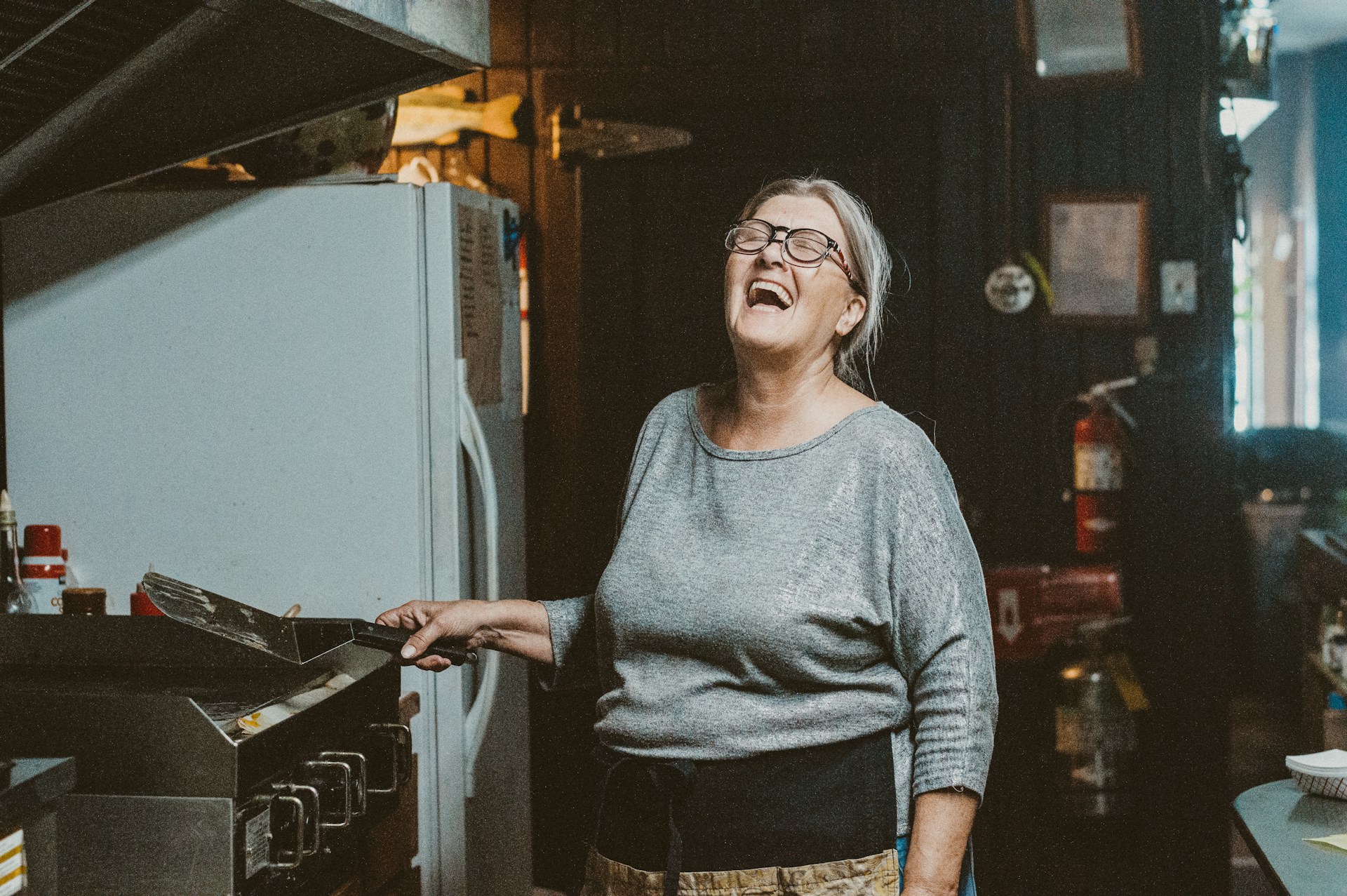
What Grandma Knew About Keeping Food on Hand
For many older generations, keeping extra food wasn’t about expecting a disaster. It was about being practical.
Grocery shopping wasn’t always as convenient as it is today. Families couldn’t always order groceries to their doorstep or make a quick trip to a store open late.
Having flour, rice, dried beans, canned goods, and other staples meant they always had something to cook, even when money was tight or getting to the store wasn’t possible. And if something ran out, they often found a way to make do with what they already had.
The Old-Fashioned Pantry Is Making Sense Again
A recent report from The Times of London highlights how emergency preparedness is becoming more mainstream, with British households encouraged to keep at least three days’ worth of food and other essential supplies at home.
The recommendation comes amid concerns about severe weather, cyberattacks, and possible disruptions to essential services. While the advice is framed as emergency preparedness, keeping extra groceries at home is hardly new.
For generations, families relied on stocked pantries to get through everything from unexpected expenses to bad weather. What once seemed like ordinary household planning is now being discussed as an emergency-prep strategy.
Related: 21 Essential Emergency Supplies That Every Home Should Have Stocked
They Bought Extra When Prices Were Good
One habit worth bringing back is buying a little extra when pantry staples go on sale.
Instead of purchasing only enough for the next few meals, many households kept additional supplies of foods they used regularly. That might mean an extra bag of rice, a few cans of tomatoes, or enough flour to last until the next shopping trip.
The important part was using what they bought rather than letting it sit untouched.
Keeping older items toward the front of the pantry and replacing them as they’re used is still one of the simplest ways to maintain a food supply without creating waste.
Preserving Food Was Another Way to Make Groceries Last
Home canning, drying, freezing, and other food preservation methods were once common household skills. Families with gardens could enjoy fresh vegetables during the growing season and preserve some of the harvest for later.
Even people without large gardens found ways to make seasonal produce last longer.
Today, growing vegetables and preserving food can still help families make better use of what they have. Safe preservation methods matter, particularly with home canning, where tested recipes and proper equipment are essential.
You don’t need to preserve an entire year’s worth of food to benefit from these skills. Even freezing extra produce or making a few pantry staples from scratch can be useful.
A Full Pantry Also Meant More Flexibility
One of the biggest advantages of keeping extra groceries at home is having options. If bad weather makes traveling difficult, you can still prepare meals. If an unexpected bill leaves less money for groceries, you have food available while you adjust your budget.
And if you’re too busy to shop, you don’t necessarily have to order takeout. A stocked pantry doesn’t solve every problem, but it can make everyday inconveniences easier to manage.
Maybe Grandma Was Onto Something
It’s easy to think of prepping as a modern trend involving emergency kits, survival gear, and shelves packed with supplies. But much of what people are rediscovering today comes from simple habits that previous generations practiced for years.
Keeping extra food, preserving what you grow, shopping carefully, and knowing how to make meals from what you have aren’t particularly complicated ideas.
Grandma may never have called herself a prepper. She just knew that having a little extra food in the pantry was one less thing to worry about when life didn’t go according to plan.