Dragonflies are more than just beautiful insects to spot around the garden. They’re also one of nature’s best defenses against mosquitoes. These fast-flying hunters spend their days catching small insects in midair, and mosquitoes are one of their favorite targets.
A healthy dragonfly population can make a noticeable difference in your yard. Both young dragonflies and adults feed on mosquitoes, helping reduce their numbers before they become a bigger nuisance. If you’re looking for a natural way to deal with mosquitoes, attracting dragonflies is a smart place to start.
The key is giving them a yard where they want to stay. Water, the right plants, and a welcoming outdoor space can all help bring more dragonflies to your property. Here are some simple ways to attract these mosquito-hunting insects and make your backyard a little more comfortable.
Install a Pond or Water Feature

The single most important thing to do if you want dragonflies in your yard is to install a pond or water feature. This needs to have shallow edges for dragonflies to lay their eggs and deeper areas in the center for larvae to hide.
Dragonflies prefer calm water for laying eggs, but a steady water flow is essential to prevent your pond from becoming stagnant.
Choose the Right Plants
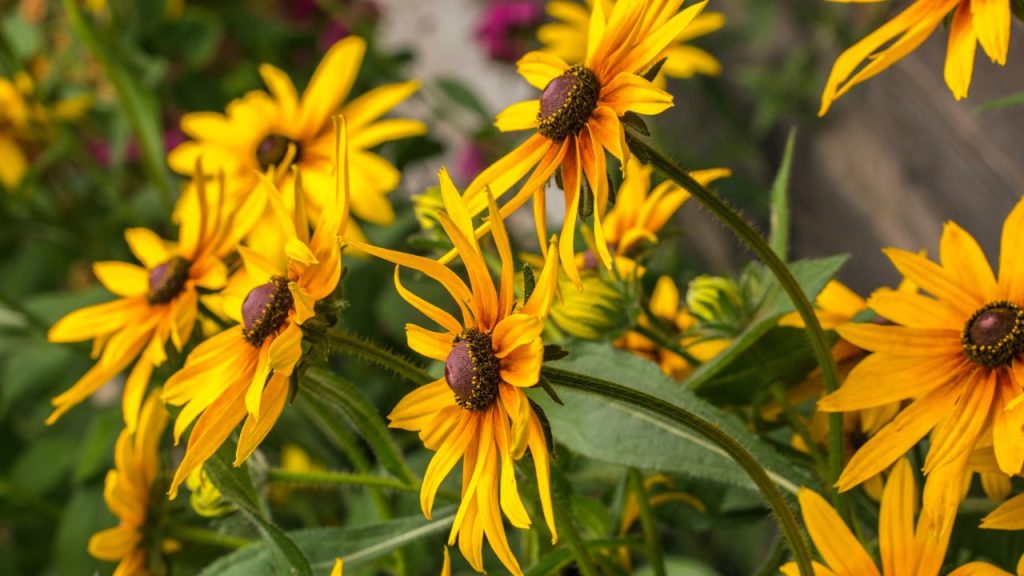
Choose a selection of plants in and around your pond that offer the ideal habitat for adult dragonflies.
Plants with floating leaves are particularly attractive for perching, and strong, vertical stems are essential for emerging larvae to leave the pond and turn into adults. Include plants that lure in other insects as a food source for dragonflies.
Provide Sun and Shelter
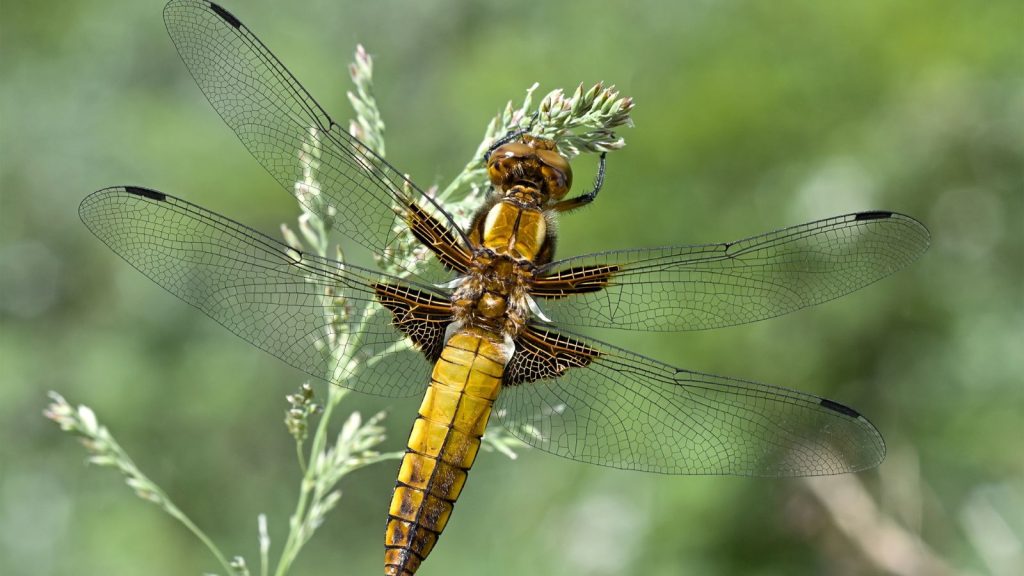
Dragonflies love to bask in the sun, so provide plenty of sunny perches around the pond, such as tall grasses, tall plants, or small rocks, where dragonflies can warm up. Their larvae prefer shaded, calm waters to hide from predators, so they incorporate rocks, stones, and logs to create hiding places.
Avoid Pesticides and Chemicals

Dragonflies are incredibly sensitive to pesticides and herbicides, so refrain from using them in your yard or garden if you want dragonflies to thrive.
Instead, use natural alternatives and maintain a healthy, balanced garden ecosystem without harsh chemicals.
Add Rocks and Logs for Perching
Rocks, logs, or even ornamental stakes around your water feature provide dragonflies with resting places. To create sheltered areas for dragonflies to lay their eggs, it is also a good idea to grow tall, slender plants like rushes and sedges around the perimeter of the pond.
Maintain Clean Water

Clear, clean water is essential for healthy dragonfly larvae, so consider adding an aerator or a small pump to gently circulate the water. Remember that most ornamental fish will eat dragonfly larvae, so this pond should be strictly for wildlife only!
20 Hidden Water Sources That Can Keep You Alive in an Emergency
Create a Diverse Habitat

Dragonflies mostly only visit water to breed, with the rest of their time spent airborne or hunting for insects. Grow a variety of plants, shrubs, and trees that attract a diversity of insects to create a balanced and thriving environment that benefits all wildlife.
How to Outsmart Gnats Before They Take Over Your Houseplants

Gnats are more than just a minor annoyance; these tiny pests buzz around with a persistence that’s hard to ignore. Here are ten effective ways to keep gnats away from your house plants.
How to Outsmart Gnats to Keep Them Away From Your Houseplants
29 Deer Resistant Flowers with The Most Beautiful Blooms

If you’re looking for beautiful, deer-resistant flowers to add color and charm to your garden, here are 29 stunning options that deer will likely leave alone.
29 Deer Resistant Flowers with The Most Beautiful Blooms
20 Flowering Shrubs That Will Make Your Garden Look Like a Work of Art
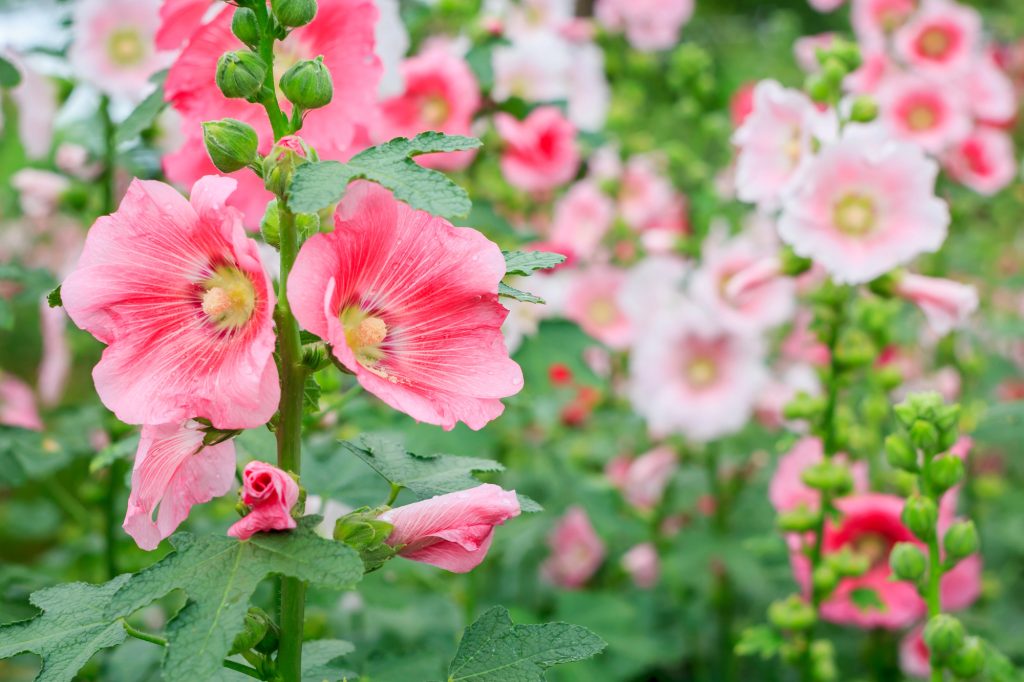
If you’re looking to bring a gorgeous touch to your landscape, here are 20 flowering shrubs that will make your garden look like a work of art.
20 Flowering Shrubs That Will Make Your Garden Look Like a Work of Art
14 Native Flowers That Thrive in Dense Clay Soil
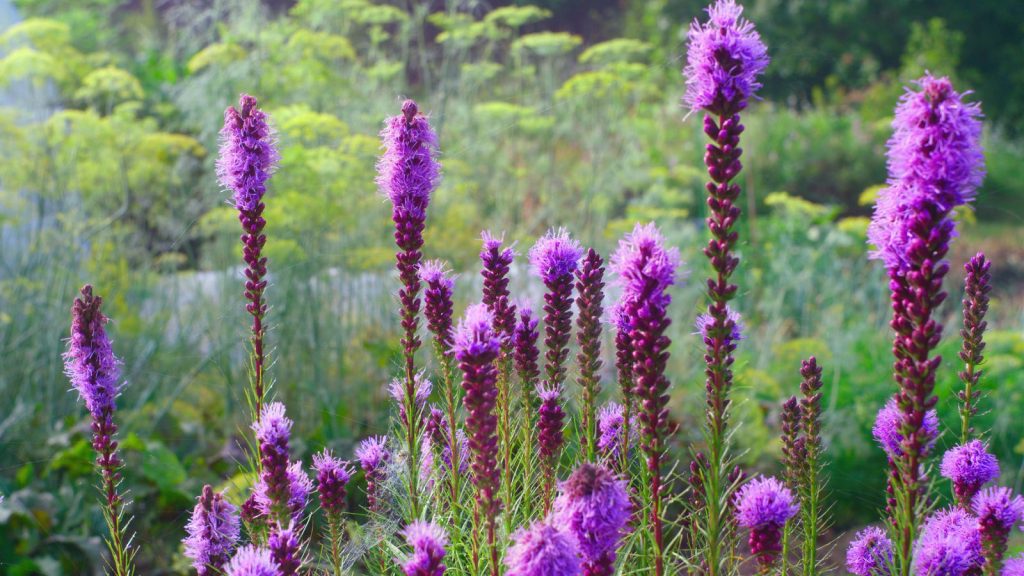
Whether you’re aiming for bursts of color, pollinator-friendly blooms, or hardy perennials that return year after year, these native plants will transform your clay-heavy garden into a thriving, beautiful space.