Self-seeding plants, whether annuals or perennials, have a natural way of coming back on their own year after year. Once they’re in the ground, they drop seeds that grow into new plants without much help. That means less replanting, less spending, and a garden that keeps filling out over time.
What makes them especially appealing is how they keep the garden going with very little effort. One planting can lead to seasons of fresh growth, bringing in color and life without needing to start over each year.
Choosing self-seeding plants is a simple way to keep a garden looking full and lively through every season. Below are 14 options that can help bring lasting color to your outdoor space.
China Aster
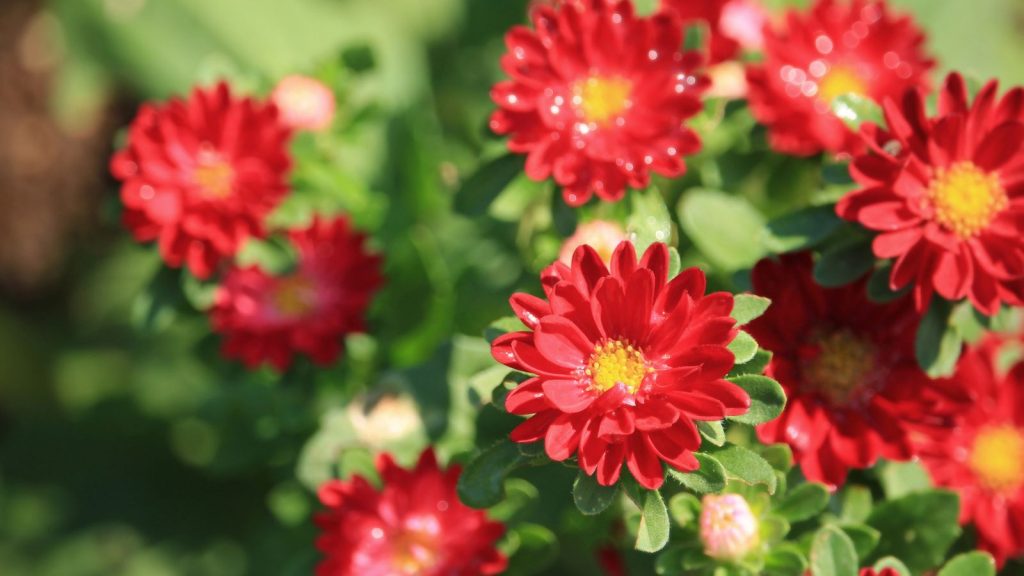
Chinese
Alyssum

Sweet alyssum is a delightful little plant that makes a wonderful ground cover. It can be grown as an annual in almost any climate. Alyssum begins blooming in spring and continues until the first frost. Planting them in a space with afternoon shade will keep them blooming through the hotter months.
Cosmos

They are highly attractive to pollinators and butterflies feed on their sweet nectar. These pretty flowers are low maintenance. Plant these seeds in full sun and keep the soil moist until they are established. Once established, they are drought-tolerant and require very little maintenance.
Sunflower

This summer beauty is known for its beautiful yellow flowers that attract insects. It is edible to both animals and humans when prepared in a delicious manner. It is self-seeding and if you can manage to keep critters and other birds at bay, especially during winter, you might get some sunflowers in spring.
Nasturtium

It is an edible flower that works well in salads. The attractive leaves are edible as well. The flowers are usually large, colorful and delicate with a peppery taste. This fast-growing flower attracts pollinators and grows well on the ground or in containers, spilling over the edge of the garden.
Viola

Violas are cool-weather flowering plants with edible flowers and surprisingly good frost tolerance. They self-seed readily. Although they can continue to bloom in hot climates if given enough shade, they much prefer cooler temperatures. Plant your violas in containers or the ground in rich, loamy, moist soil that is slightly acidic.
The Best Flowers to Sow Now for a Colorful Fall and Spring Garden
Amaranth

Amaranth is commonly grown as a food source, but there are wonderful ornamental varieties as well. The young leaves are edible, and the flowers have a fuzzy texture. If left on the plant to dry, the flowers will go to seed and self-seed well.
Sweet Pea

These annuals self-seed excellently and tolerate cold temperatures. These climbing vines like to have a structure to climb and flower well in early spring to early summer. Deadheading the flowers helps control how aggressively they reseed.
Strawflower

Strawflowers do self-seed and are most successful in mild climates. These plants prefer dry weather and average, well-drained soil. Cutting the flowers or deadheading will help to control how aggressively this plant reseeds itself. The flowers smell wonderful and have a great vase life.
Snapdragon

Plant your snapdragons in partial shade with morning sun for best results. This will help to keep their roots cool during the hottest months. These plants are very resilient despite their delicate appearance and can even survive a light frost once they establish.
Petunia

Petunias are fast-growing, low-maintenance sun lovers that thrive in garden beds and containers. Hybrid varieties will not always breed true, so it’s difficult to say what your new flowers will look like. With so many beautiful varieties available, there is a petunia for every garden. Petunias like fertile soil and a moderate amount of water. They bloom best in mild weather.
Impatiens

Impatiens are attractive flowering plants that prefer partial shade and will self-seed if their seed pods are left on the plant. These are mounding plants, and they are not aggressive about self-seeding. Impatiens look stunning in a mass planting. They need rich, moist soil, and in exchange.
Marigold

Marigolds are also edible and make a stunning garnish or addition to baked goods. We don’t typically consider marigolds self-seeding, but they are indeed. A month before you expect the first frost, stop deadheading your marigolds and allow the seed heads to dry on the plant. They will burst open and drop their seeds.
Why Marigolds Deserve a Spot in Your Garden Year After Year
Black-eyed Susan

When grown in a sunny spot, this plant can produce quite a number of flowers in a short period of time. These self-seeding flowers are easy to maintain and make excellent cut flowers. They are also drought—and heat-tolerant and prefer full sunlight exposure.
17 Colorful Plants to Grow for Fresh Flower Arrangements

For those looking to have a continuous supply of fresh flowers for stunning arrangements, consider planting these 24 colorful varieties. They will thrive in your garden and, in some cases, provide beautiful blooms year after year.
17 Colorful Plants to Grow for Fresh Flower Arrangements
12 Natural Ways to Get Rid of Weeds in Your Garden

While we may tolerate certain weeds like dandelions, most gardeners aim to remove these undesired plants from their gardens—for good. To help you get rid of weeds in your garden, here are 12 natural methods to consider.
12 Natural Ways to Get Rid of Weeds
19 Stunning Red Flowers to Add Bold Color to Your Garden

Adding red flowers to your garden introduces vibrant pops of color, creating a warm and lively atmosphere. Here’s a list of 19 varieties to brighten your garden, bringing in the perfect touch of spring and summer cheer.