Losing livestock to predators is one of the most painful parts of homestead life. Whether it’s a flock of chickens you’ve raised from chicks or goats you’ve cared for over the years, losing animals can take an emotional and financial toll.
We learned this the hard way a few years ago when a fox got into our chicken run and wiped out the flock overnight. Replacing the birds took time and money, but the experience also taught us to pay closer attention to fencing, nighttime security, and wildlife signs around our property.
No single measure can keep every predator away, but several changes can make your animals harder targets. From foxes and coyotes to raccoons, hawks, owls, and stray dogs, these 18 tips can help protect your chickens, goats, and other livestock.
1. Install Predator-Proof Fencing
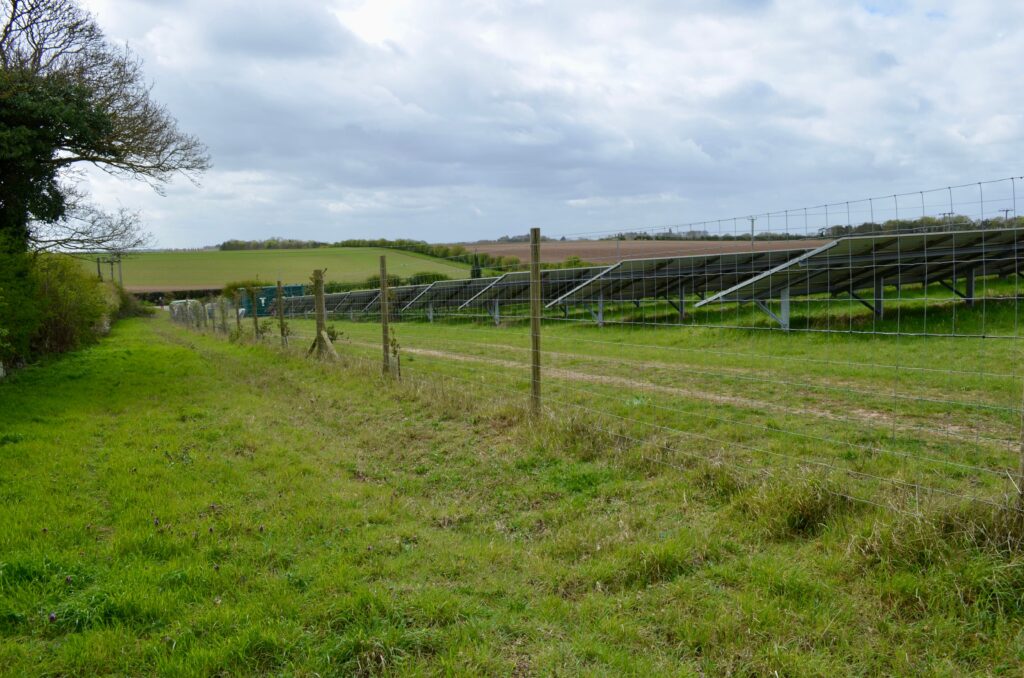
A sturdy fence is one of the best ways to keep predators away from livestock, though the right materials depend on the animals in your area. Use small-mesh hardware cloth where raccoons and smaller predators could get through, choose suitable fencing for larger animals, and bury the bottom edge or add an outward-facing mesh apron to discourage digging.
Related: 13 Unexpected Ways Rubbing Alcohol Can Help Around the House
2. Lock Animals Up at Night
Many predators hunt after dark, so bringing poultry and vulnerable animals into secure housing each evening can prevent attacks. Use solid doors with reliable latches, cover openings with hardware cloth rather than ordinary chicken wire, and check for gaps around vents, windows, and roof edges.
Related: 15 Surprising Ways Diatomaceous Earth Can Help Around the House
3. Add Guardian Animals
A properly trained livestock guardian dog can patrol a property and help deter predators from approaching a flock or herd. Donkeys and llamas may protect livestock in some settings, but their behavior varies, so research their suitability and provide proper training, fencing, and care before relying on them.
Related: 10 Clever Ways to Use Mouthwash You May Not Have Considered
4. Raise Coops Off the Ground
An elevated chicken coop can make it harder for some ground-dwelling predators to reach birds through the floor. If you raise the structure 18 to 24 inches, secure the underside and close off gaps so predators cannot hide beneath the coop or get inside.
Related: 14 Smart Ways to Give Your Coffee Grounds a Second Life
5. Install Electric Fencing
A properly installed electric fence can discourage predators from climbing, pushing through, or digging beneath a barrier. Use a suitable energizer, place wires at heights that match the local threats, and inspect the fence regularly for damaged wires, vegetation, or poor grounding.
6. Use Motion-Activated Lights
Sudden light can startle some nocturnal animals and make it easier for you to spot activity around coops, barns, gates, and feeding areas. Motion-activated lights are worth trying as an extra layer of security, but don’t rely on them in place of secure fencing and nighttime housing.
7. Be Cautious With Scent Deterrents
Some livestock owners use commercial predator scents or place human hair near fence lines, hoping the smell will keep wildlife away. Results vary, and predators may get used to unfamiliar scents, so treat these products as a minor supplement rather than your main defense.
8. Install Trail Cameras
Trail cameras can reveal which animals visit your property and when they tend to appear. Reviewing the footage may help you find weak spots in fences or identify where you need extra lighting, barriers, or other protective measures.
9. Cover Runs With Netting
Hawks and other birds of prey can attack chickens and other small animals kept in open runs. Strong overhead netting or secure wire roofing can help prevent these attacks, provided the covering is properly supported and has no gaps where animals can get trapped.
10. Keep Livestock Together
Animals kept in suitable groups are often less vulnerable than individuals left alone and exposed, particularly when young or vulnerable animals have access to shelter. Mixed-species grazing may offer some added protection in certain situations, but larger animals do not reliably prevent predators from attacking sheep, goats, or poultry.
11. Leave a Radio Playing
A radio near a coop or barn may make some cautious wildlife less likely to approach, especially when the sound changes from time to time. Since many predators become accustomed to repeated noise, use a radio only as an extra measure and keep your animals behind secure barriers.
12. Move Scarecrows Around
A scarecrow or human-shaped figure may briefly make some predators wary of an area where livestock are kept. Move it regularly or change its appearance, but don’t count on it to stop determined predators or protect animals overnight.
13. Keep a Watchful Rooster
A rooster can alert hens to danger with alarm calls, giving the flock a chance to seek cover. Some roosters will confront threats, but their size and behavior limit what they can do, so a rooster should never replace a secure run.
14. Clear Vegetation Around Fences
Tall grass, dense brush, and piles of debris can conceal predators and make it harder to spot damage along a fence. Trim vegetation near gates and fence lines, remove hiding spots close to coops, and check the ground for digging, tracks, or disturbed soil.
15. Choose Livestock Suited to Your Setting
Different breeds vary in size, temperament, alertness, and ability to cope with local conditions, so research those traits before choosing animals for your property. Alert behavior may help some animals react to danger sooner, but no breed can be counted on to escape a predator attack without suitable housing and protection.
16. Create Safe Hiding Places
Chickens and other small animals benefit from shelters or covered spaces where they can retreat when they sense danger. Place sturdy shelters throughout suitable runs and pastures, but avoid creating cramped spaces or brush piles where predators could hide and trap animals.
17. Hang Fladry Along Fence Lines
Fladry consists of strips of brightly colored fabric attached to a line, and it has been used as a short-term deterrent for wolves and coyotes in certain settings. It may help protect livestock during vulnerable periods such as lambing or kidding, but predators can become accustomed to it, so pair it with fencing and other measures.
18. Install Motion-Activated Alarms
Motion-activated alarms can produce sudden sounds when someone or something passes near a coop, barn, or feeding area. Test the system regularly, protect it from weather, and keep in mind that noise alone may not deter every predator, particularly one that has grown used to it.