Diatomaceous earth, or DE, is one of those inexpensive household products that can come in handy for all sorts of jobs. If you keep a garden, raise chickens, store dry foods, or simply like having a few useful supplies on hand, a bag of DE can earn its place in the shed or pantry.
Diatomaceous earth is made from the fossilized remains of tiny aquatic organisms called diatoms. The resulting powder is made up of very small, abrasive particles. When insects come into contact with it, the particles can damage their outer coating and cause them to lose moisture.
DE has plenty of practical uses, but it isn’t the right choice for every job. Different grades are made for different purposes, so check the product label before using it around people, pets, food, or animals. Avoid breathing the dust, and wear a mask when applying large amounts.
Here are some of the ways people use
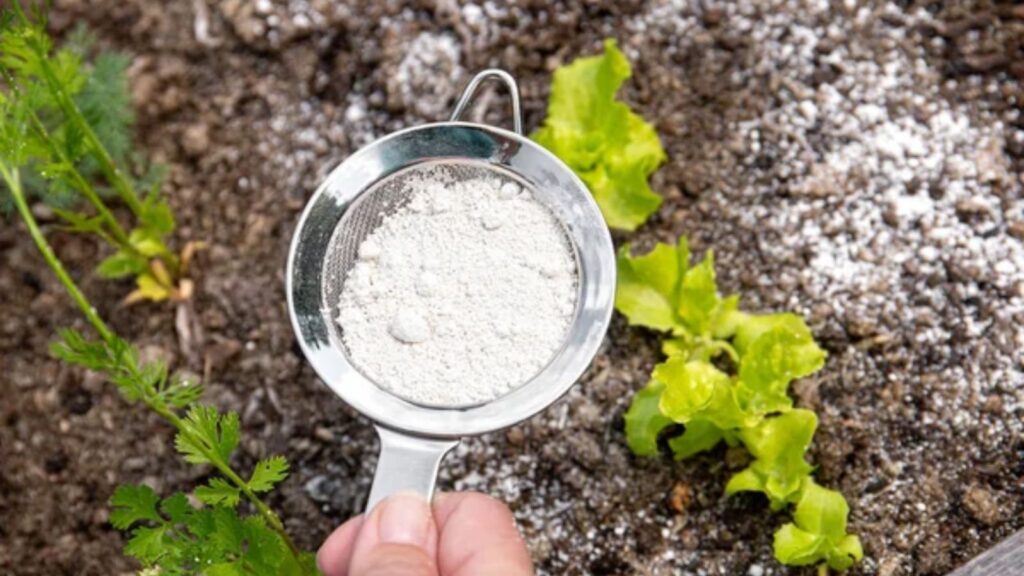
1. Garden Pest Control
Diatomaceous earth can help control certain crawling insects in the garden, including ants, beetles, and some soft-bodied pests. The dry particles damage the insect’s protective outer layer, which can cause it to dry out.
Lightly dust DE around affected plants or along areas where insects are active. Since moisture reduces its usefulness, you’ll need to reapply it after rain or heavy watering.
Keep in mind that DE can also harm beneficial insects that come into direct contact with it. Avoid coating flowers where bees and other pollinators are feeding.
2. Water Filtration
Diatomaceous earth has been used as a filtration material because its fine particles can help remove suspended matter and some microorganisms from water.
There are filtration systems that use DE as part of the filtering process. It isn’t a good idea to improvise a drinking-water filter and assume the resulting water is safe. Water treated with a DE filter may still need to be disinfected or treated with another approved method before drinking.
3. Reduce Moisture and Odors
DE can absorb moisture, which makes it useful in damp areas such as chicken coops, animal housing, and storage spaces.
A small amount can be worked into dry bedding to help manage damp spots and unpleasant odors. Keeping bedding dry also makes the area more comfortable for animals.
Don’t create clouds of powder while applying it. Too much airborne DE can irritate the lungs of people and animals.
4. Help Keep Damp Areas Dry
Moisture is a common cause of musty smells and mold problems around the home. Since DE can absorb moisture, some people use it in dry areas that tend to collect dampness.
A light layer can be placed around the outside of storage containers or in other dry, enclosed areas where moisture is a concern. DE won’t fix a leak or solve a serious mold problem, so deal with the source of the moisture first.
5. Livestock Worm Control
Diatomaceous earth is sometimes promoted as a natural dewormer for livestock and pets. The evidence for using DE to treat internal parasites is limited, so it shouldn’t take the place of veterinary treatment.
On a homestead, it can be tempting to rely on natural products for every animal problem. If an animal shows signs of worms or another parasite infection, a veterinarian can recommend testing and an appropriate treatment. That is a much safer option than relying on DE alone.
6. Discourage Slugs and Snails
Slugs and snails can make quick work of young seedlings, and DE is sometimes used as a dry barrier around vulnerable plants.
Sprinkle a narrow ring around seedlings and other plants that are being attacked. The barrier needs to stay dry to work, so rain and watering will require another application.
For heavy slug problems, DE is better viewed as one tool among several rather than a guaranteed fix.
7. Add to Compost
DE can be added in small amounts to a compost pile, though it isn’t a magic compost accelerator. Its ability to absorb moisture can be useful if a compost pile has become overly wet.
A healthy compost pile still needs the right mix of green and brown materials, enough moisture, and good airflow. DE won’t replace those basic requirements.
8. Scrub Tough Grime
The fine, abrasive texture of diatomaceous earth makes it useful for scrubbing certain hard surfaces.
Mix a small amount with water to form a paste, then use it on stubborn grime on suitable countertops, pans, or tile. Test it on an inconspicuous spot first because abrasive powders can scratch some finishes.
Skip DE on nonstick cookware, polished surfaces, delicate finishes, and anything that could be damaged by abrasion.
9. Protect Dry Food Storage
DE is sometimes used around stored grains, beans, and other dry foods to help control insects. If you plan to use it around food, check the label carefully and use only a product approved for that purpose.
Store food in clean, airtight containers and keep the storage area dry. DE can be one part of a pantry pest-control routine, but good storage practices still do most of the work.
10. Help Control Fleas, Mites, and Other Pests
Diatomaceous earth is also used for pest control around animal bedding, coops, and other areas where insects may hide.
A light application in dry cracks, crevices, and bedding can help with certain crawling pests. Avoid coating animals directly unless the product label specifically allows it.
For pets with fleas or other parasites, use a treatment approved for that animal. Some infestations need more than DE to get under control.
11. Homemade Skin Scrub
Some DIY skin-care recipes use food-grade DE as a physical exfoliant. Its fine texture can help remove dead skin cells when mixed with another ingredient.
If you decide to try it, use a very small amount and rub gently. Avoid broken or irritated skin and keep the powder away from your eyes and nose. Stop using it if your skin becomes red or uncomfortable.
12. Ant and Roach Control
DE can be useful against ants and cockroaches when applied to dry areas where they travel.
A thin layer can be placed along cracks, gaps, and other entry points. The powder needs to remain dry, so it may need to be replaced after cleaning or exposure to moisture.
For a larger infestation, sealing entry points and removing food and water sources should go hand in hand with any pest treatment.
13. Bed Bug Control
Bed bugs are notoriously difficult to get rid of, and DE is sometimes included in home treatment plans.
If you’re using a product for bed bugs, follow the label carefully and apply it only in approved locations. Avoid putting loose powder on mattresses or other areas where it can easily become airborne.
A bed bug infestation often calls for a combination of cleaning, heat treatment, mattress encasements, and professional pest control. DE alone may not solve the problem.
14. A Mineral Source — With Caution
Food-grade
Those claims shouldn’t be treated as established medical facts. There isn’t enough reliable evidence to recommend
If you’re considering taking DE as a supplement, talk with a healthcare professional first rather than using it as a substitute for proven treatment.
Diatomaceous earth can be handy to keep around, especially for garden and household pest control. Just make sure you’re using the correct grade for the job, follow the product label, and avoid breathing the dust. Used with a little common sense, it can be a useful addition to a homestead supply shelf.