Emergencies have a funny way of showing up at the worst possible time. A storm can knock out the electricity, a kitchen accident can turn into a small fire, or a car crash can leave you stuck somewhere you never expected to be.
Having the right supplies nearby won’t prevent every emergency, but it can make a stressful situation easier to handle.
Most households already have a
Here are 10 home and emergency safety items worth having before you actually need them.
1. Fire Escape Ladder
If you live in a two-story or taller home, a fire escape ladder can give you another way out if the stairs are blocked.
Many emergency ladders are compact enough to store near an upstairs bedroom and can be attached to a suitable window when needed. Everyone in the household should know where the ladder is kept and how it works.
Don’t wait for a fire to figure that part out. Practice your escape plan ahead of time, and make sure windows can actually be opened.
Related: 10 Canned Beans Every Emergency Pantry Should Have
2. Whistle
A
It can be useful if you’re injured, trapped somewhere, lost outdoors, or unable to yell for an extended period. Keep one in your emergency kit, car, bedroom, or near an area where you keep other safety supplies.
A simple
3. Multi-Tool
A good multi-tool combines several basic tools into one small package. Depending on the model, you might have pliers, screwdrivers, scissors, a knife, and other useful tools in the same device.
Around the house, it can handle small repairs. During an emergency, it may help cut material, tighten hardware, or work on equipment when a full toolbox isn’t nearby.
It’s also handy for camping, road trips, and everyday repairs, so this is one item you’re likely to use even when there isn’t an emergency.
4. Personal Water Filter
A water emergency can become serious quickly. If your normal water supply is interrupted, having a way to treat water can give you another option.
Portable filters can remove certain bacteria, parasites, sediment, and other contaminants, depending on the filter. They don’t all remove viruses, chemicals, heavy metals, or salt, so check the specifications before relying on one.
A filter should be part of a larger water plan that includes stored drinking water and a reliable method of disinfection.
Related: 10 Reliable Ways to Purify Water Every Prepper Should Know
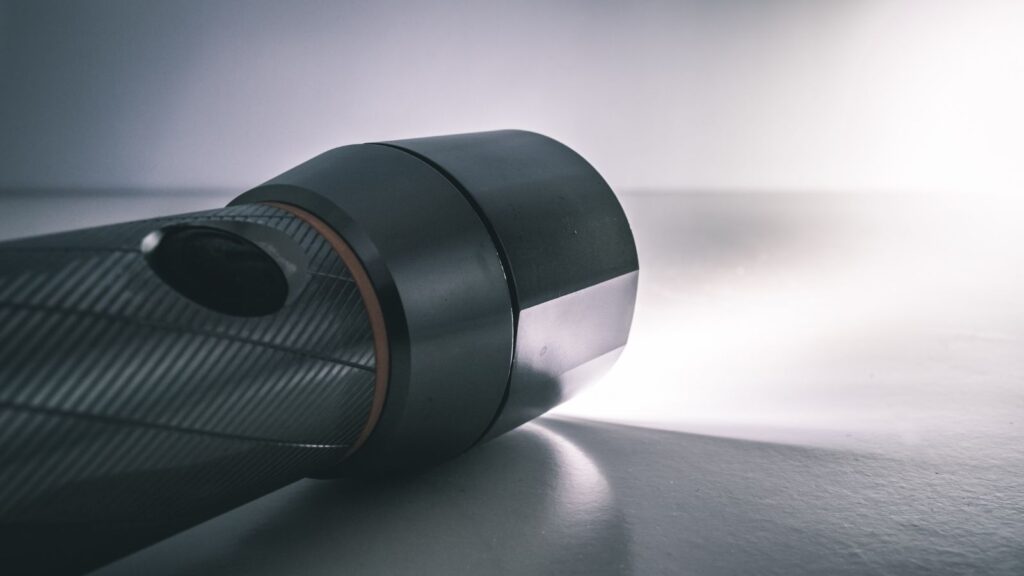
5. Battery-Free Flashlight
There’s nothing quite as frustrating as reaching for a
A
Keep the
Related: 20 Survival Basics Everyone Should Practice Before an Emergency
6. Window Breaker and Seatbelt Cutter
This small tool belongs in the car rather than the kitchen drawer.
After a serious crash, a vehicle door may be difficult or impossible to open. A seatbelt cutter can help if a belt won’t release, while a window-breaking tool can provide another way out when a door isn’t usable.
Keep it somewhere you can reach from the driver’s seat rather than inside the trunk or another inaccessible compartment. It’s also worth practicing how the tool works before an emergency happens.
7. Fire Blanket
A fire blanket can be a useful addition to a kitchen fire safety setup.
It’s made to smother certain small fires by cutting off the flame’s access to oxygen. A fire blanket may also be useful if clothing catches fire, although getting away from the fire and calling emergency services should remain the priority.
For cooking fires, never throw water onto a grease fire. A fire blanket can be used for an appropriate small fire if you know how to use it safely. A properly rated fire extinguisher should also be available in the home.
8. Portable Carbon Monoxide Detector
Carbon monoxide is especially dangerous because you can’t see, smell, or taste it.
A carbon monoxide detector can alert you when dangerous levels are present. Your home should have properly installed carbon monoxide alarms, particularly near sleeping areas, but a portable detector can be useful for travel, camping, RVs, cabins, or other unfamiliar places.
Never use a generator, charcoal grill, or other fuel-burning appliance indoors or in an enclosed area. A detector is an extra layer of protection, not permission to use combustion appliances where they don’t belong.
Related: 23 Long-Lasting Foods That Are Perfect for Emergency Storage
9. Signal Mirror
A signal mirror is an old-fashioned piece of emergency gear, but it still has a practical purpose.
In an outdoor emergency, sunlight reflected from a mirror can attract attention from aircraft, boats, rescuers, or people searching from a distance. It’s lightweight, doesn’t require
It’s most useful when you’re outdoors and need to make yourself visible from a distance. A brightly colored emergency blanket,
10. Pocket Emergency Radio
A major storm or other disaster can knock out electricity, internet access, cell service, or several of these at once.
A
Store the radio somewhere easy to reach and test it from time to time. If it has a rechargeable battery, make sure you know how to recharge it without household electricity.
A Little Preparation Goes a Long Way
You don’t need a room full of expensive emergency equipment to make your home safer. Start with the basics and add a few useful tools that fit your household, vehicle, location, and likely risks.
A fire escape ladder won’t help much if nobody knows where it is. A
Spend a little time now checking your smoke and carbon monoxide alarms, testing your flashlights, reviewing your escape routes, and making sure your emergency supplies are easy to reach. Those small tasks can make a stressful situation much easier to handle.