

Leaf-footed bugs are long, brownish-gray insects with flat, leaf-like shapes on their back legs, hence the name. Their young ones (called nymphs) start out bright red-orange and darken as they grow.
Both young and adult bugs use their needle-like mouthparts to pierce fruits and suck out the juices. Their feeding causes the fruits to develop sunken yellow spots, hard patches, or leaking sap. You’ll often see the damage on soft fruits like tomatoes, peaches, pomegranates, and eggplants, but they’ll also go after okra, peppers, melons, and even citrus if it’s nearby.
Fruit damaged by leaf-footed bugs may ripen unevenly, fall off early, or just look scarred and unhealthy. If you notice small red nymphs clustered on stems or adults resting on sunny parts of the plant, usually from midsummer through fall, it’s time to act. Try the methods below to keep their numbers down and protect your harvest
1. Handpick bugs early in the morning

Leaf‑footed bugs move sluggishly in the morning, making them easy targets. Grab your
Handpicking leaf-footed bugs early helps keep their populations small and prevents them from laying eggs. Aim for two or three sweeps a week while numbers are low.
2. Drop captured bugs into soapy water
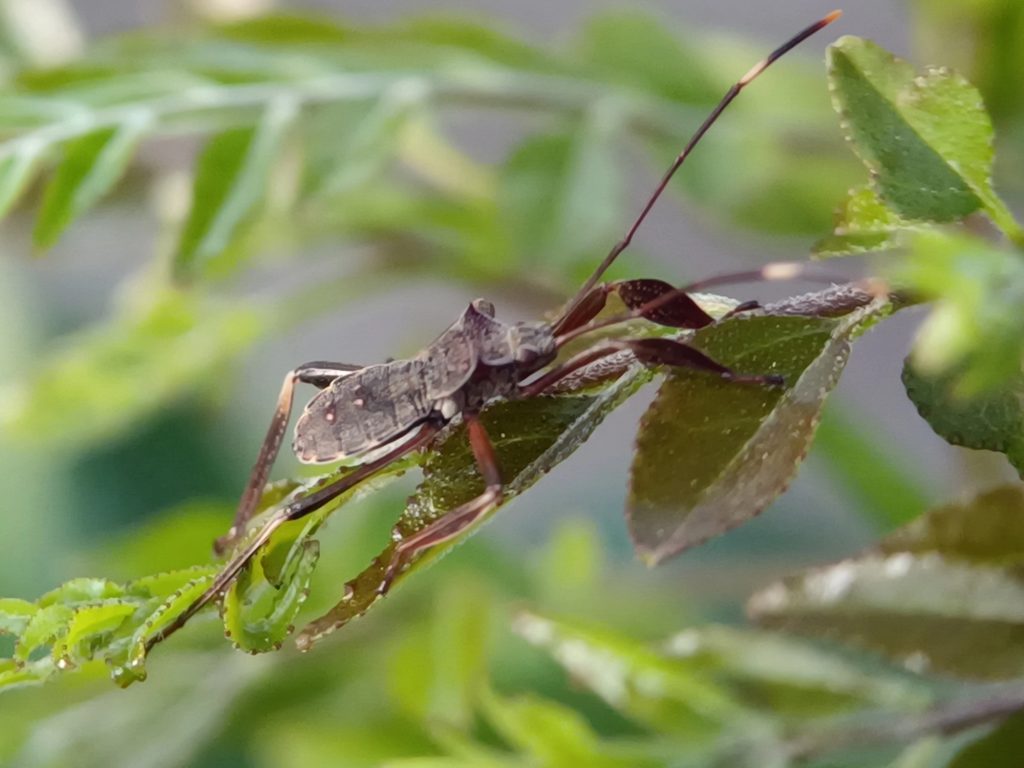
Keep a bucket half‑filled with water and a splash of dish soap beside you. After picking a bug, dunk it immediately. The soap breaks the surface tension, allowing insects to sink and drown in seconds. This no‑spray method is safe for pollinators, quick to deploy, and costs almost nothing.
3. Remove egg clusters from the undersides of leaves

Leaf‑footed bugs lay bronze‑brown barrel‑shaped eggs in neat chains along the undersides of leaves or on green stems. Inspect your plants weekly. When you find a row of eggs, press a strip of duct tape over it, then peel and fold the tape onto itself before discarding it. Breaking the life cycle of leaf‑footed bugs here means far fewer adults later.
4. Use row covers to protect young plants

Seedlings and small transplants are the most vulnerable to leaf‑footed bugs. Add floating row covers to let in light and rain while keeping insects out. You can anchor edges with soil or boards, but remember to lift the fabric once the plants start flowering so pollinators can reach them.
5. Introduce beneficial insects

Insects like assassin bugs, wheel bugs, and tiny Gryon wasps hunt or parasitize leaf‑footed nymphs and eggs. Attract these helpful insects to your garden by planting
Once they’re in your garden, do not use broad‑spectrum insecticides that might wipe out these beneficial insects before they can work.
6. Spray with a neem oil solution

Neem disrupts insect growth and feeding. If you notice leaf‑footed bugs or their nymphs on the plants, mix two tablespoons of cold‑pressed
Then, spray the plants every seven days while nymphs are present. You can also coat the undersides of leaves and fruit surfaces, but avoid spraying during full sun or when bees are out and about.
7. Apply insecticidal soap directly on nymphs
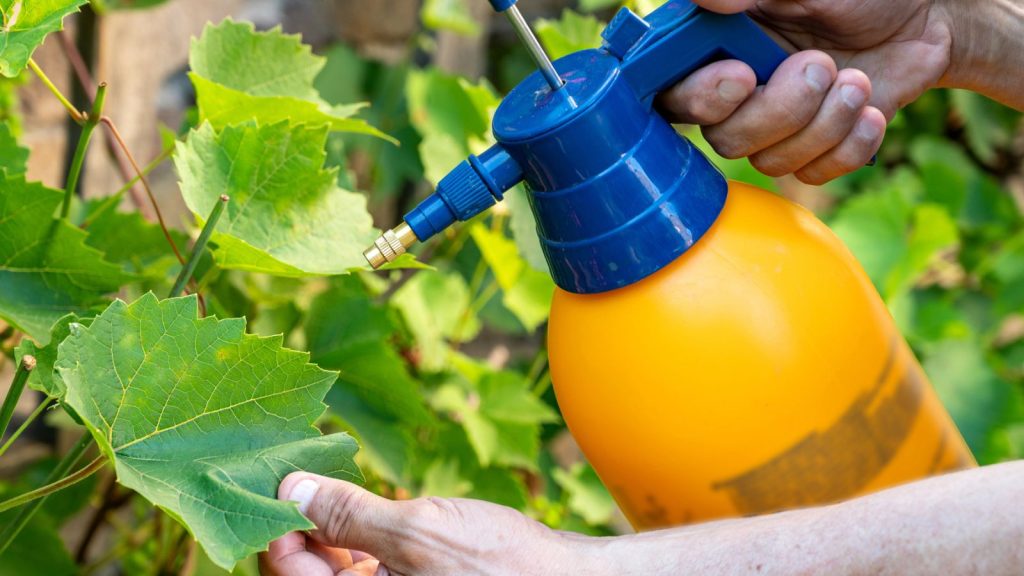
Insecticidal soap penetrates the soft cuticles of young bugs, including leaf-footed bugs. Mix according to the label directions and apply the mixture directly to the nymph clusters, ensuring complete coverage.
Repeat the application after rain or heavy dew, and ensure that you target only the juveniles. Once they grow older, they grow thicker shells that make them less susceptible to the effects of the soap.
8. Trim off badly infested branches

If a branch is crawling with leaf-footed bugs or looks badly damaged, it’s better to cut it off completely. It’s beyond saving at this point. Snip the branch at the base where it connects to the main stem, and toss it in a sealed bag for disposal.
This gets rid of both the bugs and their food source. Just don’t forget to clean your
9. Remove bugs from plants with a handheld vacuum

It’s a little unconventional, but a cordless handheld vacuum set on low suction can gently suck pests without harming the plants. Empty the canister into soapy water afterward. This trick works best in cool mornings when adults are active on the plants.
10. Shake plants to dislodge bugs

Hold a tray or inverted umbrella under the branches and give the plant a good shake. Many leaf-footed bugs, especially young ones, will fall right off. Dump what you catch into a bowl of soapy water. Repeat this daily during peak bug season to keep the numbers down.
11. Keep the garden clean and tidy
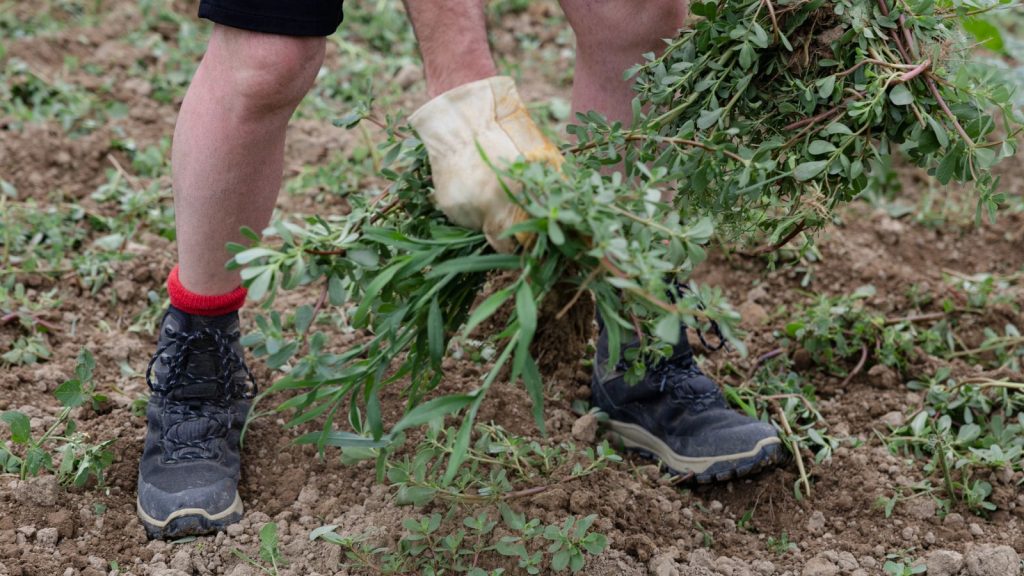
Leaf‑footed bugs love to hide in tall weeds, old leaves, or unused garden gear. To keep them from settling in, clear away dead plants, pull up weeds, and store tools or trellises neatly. The cleaner your garden, the fewer hiding spots the bugs will have, especially in the cooler months when they look for places to overwinter.
12. Use shiny mulch or reflective strips

Shiny surfaces like silver plastic or cut-up aluminum plates reflect light that leaf‑footed bugs don’t like. It confuses them as they try to land. You can lay reflective mulch on the soil or staple strips to small stakes. Start early in the season before the fruit sets, and take them out once your plants grow large enough to shade the soil.
13. Install yellow sticky traps
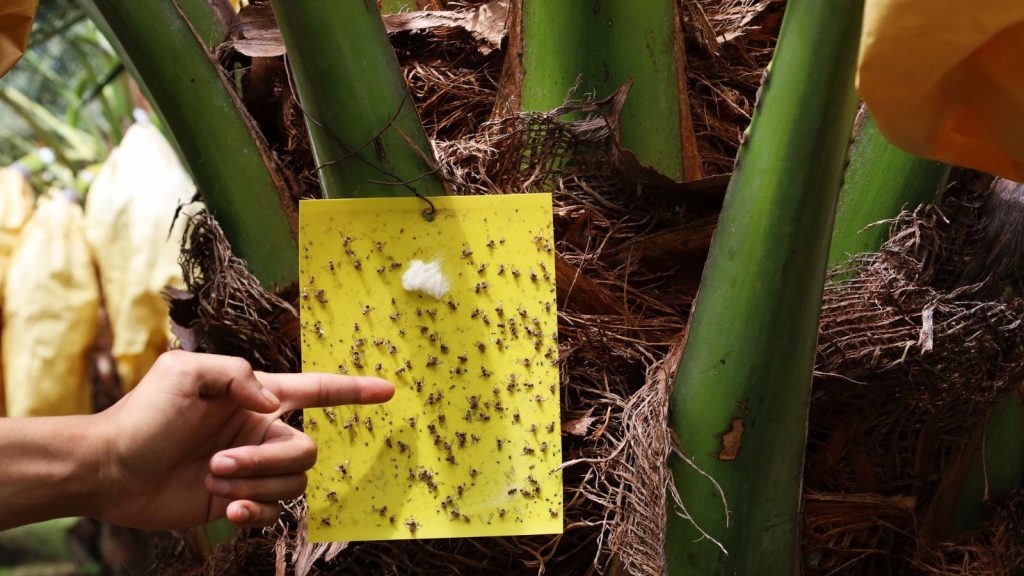
Bright yellow traps coated in sticky glue attract adult leaf-footed bugs as they fly around looking for new plants. Hang them just above your crops, especially when flowers are blooming. If the traps start filling up with insects or dust, swap them out. They won’t catch everything, but they’ll give you an early warning when bugs are starting to show up.
14. Try a homemade garlic or pepper spray

Blend two
15. Rotate crops yearly to disrupt breeding cycles

Leaf-footed bugs love certain plants like tomatoes, okra, and pomegranates, and if you grow them in the same spot every year, bugs know exactly where to find them. Try planting these crops in a different garden bed each season.
It throws off the pests and makes it hard for them to predict where their preferred hosts will be, giving you a better chance to catch them before they settle in.
16. Bugproof greenhouses or garden structures

In colder months, adult leaf-footed bugs look for warm, cozy places to hide, like greenhouses, tool sheds, or hoop houses. Before winter sets in, patch any holes in plastic, seal cracks with caulk, and make sure doors and vents are tight. Keeping the bugs out now helps prevent a big infestation later.
17. Use trap crops like sunflowers

Leaf-footed bugs also enjoy
Just remember to get rid of old sunflower heads before they drop seeds; otherwise, you might end up feeding the next generation of leaf‑footed bugs.
8 Sneaky Animals That Are Secretly Destroying Your Lawn and Garden

Many pests can quietly cause significant damage if not controlled. It’s important to stay on top of these threats to keep your outdoor space looking its best. Here are seven sneaky pests to keep a close eye on.
8 Sneaky Pests That Are Secretly Destroying Your Lawn and Garden
Common Pests That Could Ruin Your Fall Vegetable Garden

Fall gardens can attract a variety of pests eager to snack on your crops, threatening your harvest. The good news is that nature provides ways to manage these unwanted visitors. Here’s a guide to some of the most common fall garden pests and tips on how to prevent and manage them.
8 Common Pests That Could Ruin Your Fall Vegetable Garden
How to Defeat Japanese Beetles in Your Garden

If Japanese beetles are causing problems in your garden, consider trying one of these natural methods to eliminate them.
How to Defeat Japanese Beetles in Your Garden

Sandra Enuma
Sandra Enuma is a writer who's as comfortable with a trowel as she is with a keyboard. She’s passionate about sharing simple, down-to-earth tips to help you start and manage your own home garden, no matter your experience.