Fresh corn is a joy to plant and even better to eat. But if you blink at the wrong time, you just might miss peak harvest periods. Here are the steps to harvest your corn correctly.
The Silk Color

You can tell if a corn is ready right off the bat from just the color of the silk. If it’s fresh and green, then the corn ear is still developing and needs a little more time.
Look for corn silk that has turned from golden yellow to a dry brown. It should also feel dry and papery when you touch it, not moist or sticky..
Feel the Ear

Unripe corn ears often have soft spots or gaps where the kernels have not yet developed. On the other hand, overripe ears may feel mushy. Gently squeeze the ear through the husk from bottom to top. If it feels firm and completely filled out, then you can harvest it.
Look at the Husk

Mature corn has bright green husks that wrap tightly around the ear. The husks should look fresh and healthy, not yellowing or drying out. The healthy green husks will also help preserve moisture and sweetness after harvest. Also, watch out for loose husks that pull away easily, as this often indicates overripeness.
Do the Fingernail Test

Peel back a small section of husk and press your fingernail into a kernel near the middle of the ear. If the corn is ready for harvest, you’ll see milky, white juice when you puncture it. Watery, clear juice means the kernels are still immature and need more time. If no juice comes out at all or the kernel feels tough, the corn is overripe.
Count the Days

Sweet corn typically reaches maturity 18-24 days after the silk first appears on the ears. Mark your calendar when you first notice this to track how far along it’s developed. Field corn and some heirloom varieties take longer, sometimes 25 to 35 days.
Sometimes, the weather also affects how long it takes corn to mature; it takes less time for corn to be ready for harvest in hot weather than in cold weather. Use day counting as a general guide, but always confirm with other physical tests.
Check for Uniformity
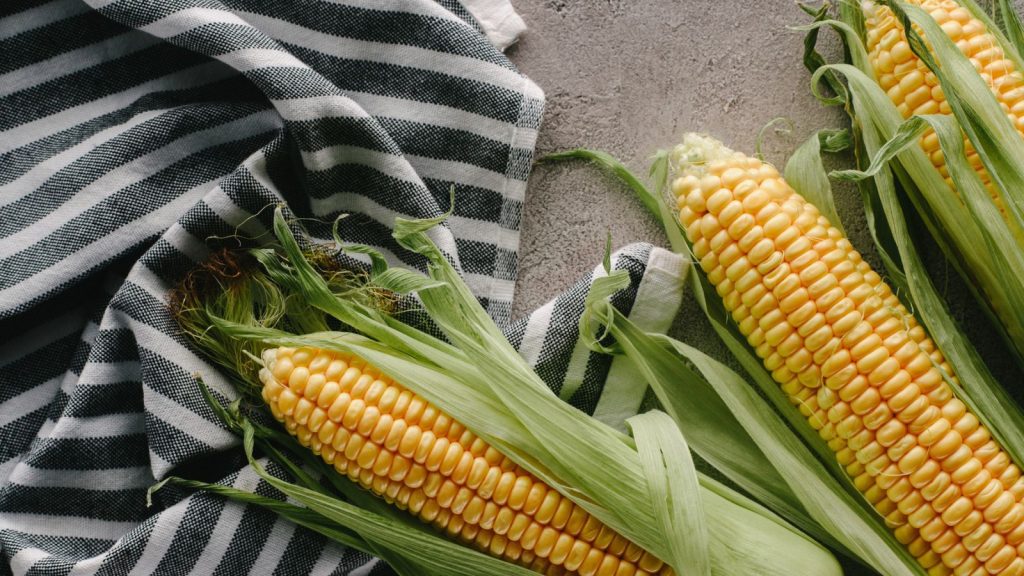
When several ears begin to show signs of readiness at the same time, the rest will usually follow within a few days. Corn planted at the same time generally matures together, making harvest planning easier.
Check across your planting area rather than focusing on just one or two plants. This way, you can prepare for a concentrated harvest period rather than picking individual ears over weeks.
Harvest in the Morning

Pick corn early in the day when the sugar content is highest. Corn harvested in the morning is noticeably sweeter because the plant converts starches back to sugars overnight. Once the sun comes out, the process is reversed, and sugar returns to being starch.
Twist the Corn Ear to Harvest

Hold the corn stalk steady with one hand and grasp the ear with the other. Twist the ear downward and away from the stalk in one quick motion. The ear should snap off cleanly at the stem. If this is your first time, you can practice the motion gently first to get the feel before applying full force.
Avoid Pulling Straight

Don’t pull the corn ears straight out from the stalk, as this can damage the plant. After the first set of crops has been harvested, some corn varieties also produce smaller side ears. Damaging the stalk may prevent this secondary crop from growing. A damaged stalk also creates an opening for pests and diseases.
Harvest Promptly

Once corn reaches peak ripeness, pick it within 1 to 3 days to maintain its quality. Corn left on the stalk past peak ripeness becomes starchy and tough.
Overripe corn also loses its tender texture and sweet flavor quickly. The window for harvesting perfectly mature corn is narrow, so check your corn daily once it approaches maturity.
26 Fresh Corn Recipes You’ll Wish You Tried Sooner

26 Fresh Corn Recipes You’ll Wish You Tried Sooner
How to Harvest, Cure and Store Garlic