
Bagworms look like tiny pinecones or dried leaf cocoons hanging from your trees or shrubs. Despite their name, these pests aren’t worms at all but the larvae of moths that build protective bags out of silk and bits of twigs, bark, or leaves.
Bagworms are stubborn and will cling like deadweight to branches of evergreens like arborvitae, juniper, and cedar (and some deciduous trees too). Once they hatch, the larvae crawl or balloon onto nearby plants, feeding as they go. Left alone, they can strip entire branches bare, weaken your trees, and in severe cases, kill young plants altogether.
Because of their camouflage, they’re easy to overlook until the damage is done. It’s important to get rid of them completely as soon as you spot them and here are 16 ways to do so.
1. Hand-Pick by the Hundreds

The best time to start removing bagworms from your yard is in early spring, right before the eggs begin to hatch. Check branches, especially in tree crotches, and hand-pick every bag you see. Each one can hold hundreds of eggs. Drop them into a bucket of soapy water to kill any chance of a comeback. Make sure to wear
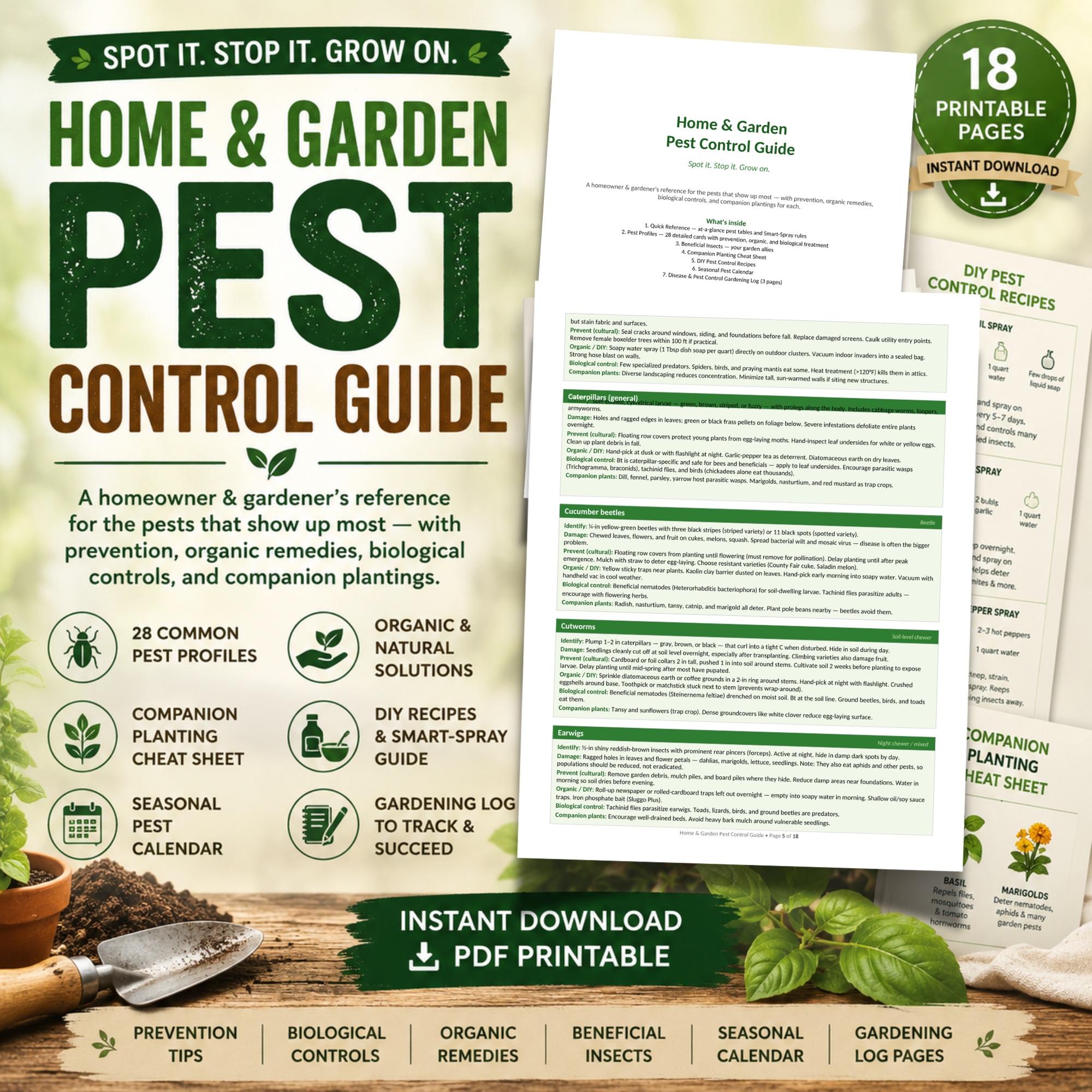
18-page quick guide and reference for gardeners dealing with pests that show up the most. From prevention strategies to treatment and remedies, this is the perfect printable for your garden.
2. Late Winter Dormant Prune

Take advantage of the dormant period to look for any bagworms in the area. In late winter, prune off infested branches and remove any visible bagworm cases. Burn or seal them tightly in a bag before they hatch.
3. Apply Btk
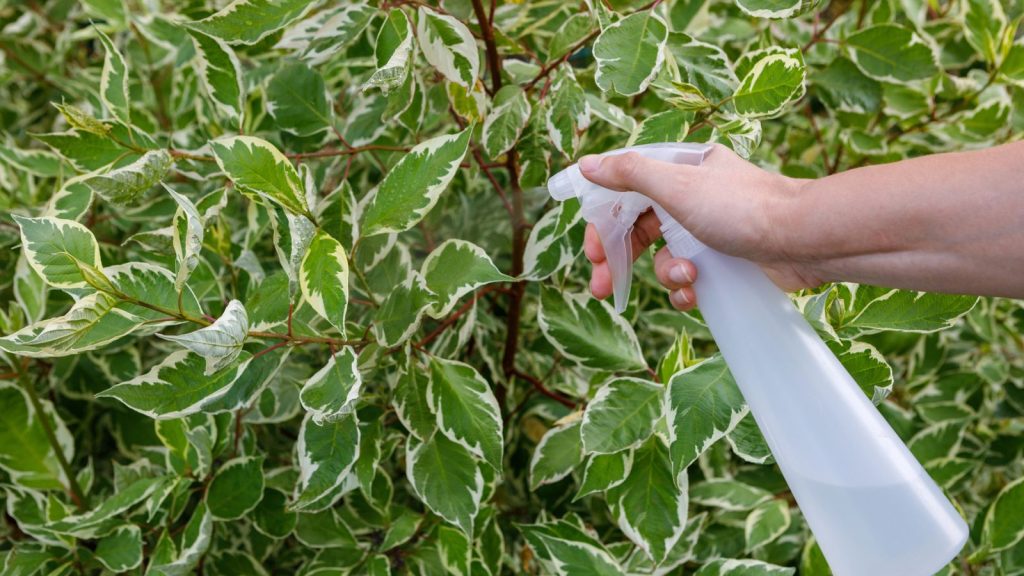
Btk (Bacillus thuringiensis kurstaki) is a go-to biological control that’s effective against bagworms but safe for bees and other beneficial insects. Spray it in late spring when larvae are still small and actively feeding. Make sure to hit the inner parts of the tree where they hide. The more coverage Btk has, the better its effect.
4. Use Spinosad Sprays
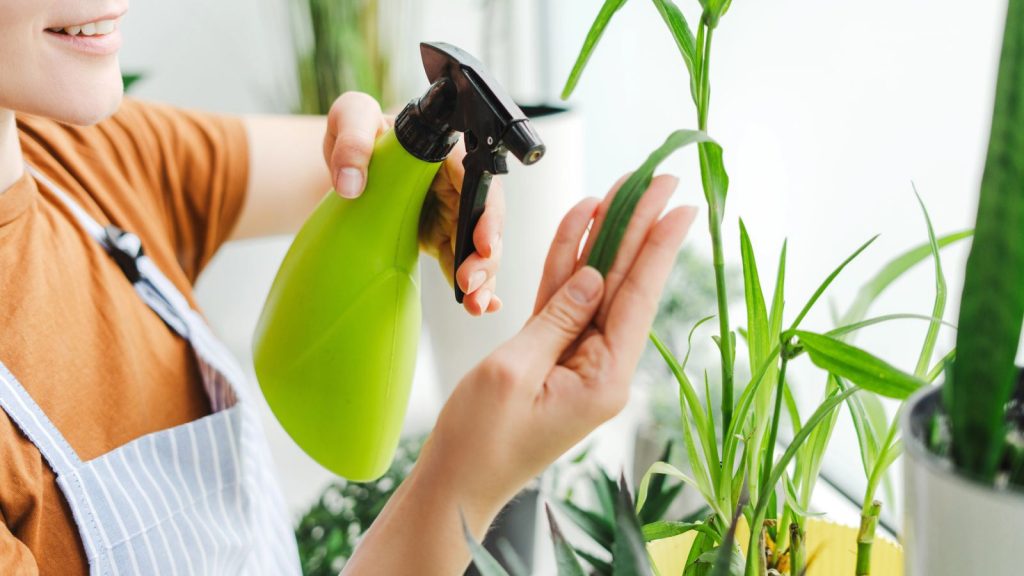
Spinosad is another low-impact biological pesticide that effectively kills bagworms. When bagworms feed on leaves that have been sprayed with spinosad, it attacks their nervous system, causing them to die. Try not to spray when the plants are in bloom to protect beneficial pollinators. Also, you need to reapply after rain to ensure its effect lasts for a long time.
5. Introduce Beneficial Nematodes

Speaking of beneficial organisms, nematodes are useful allies in the fight against bagworms. Bagworms not only colonize trees but also pupate in the soil. Nematodes are microscopic worms that infect the bagworm pupae with a bacterial disease, killing them underground. Apply them at the base of infested trees, and they’ll break the life cycle before the next generation of bagworms appears.
6. Encourage Parasitic Wasps

Parasitic wasps help to control the population of bagworms, but in a different way. They lay their eggs inside the bagworm larvae; the eggs then hatch and feed on the bagworm, eventually killing it. The best part is that parasitic wasps don’t have any negative implications for your garden. You can attract them by planting nectar-rich native flowers, such as
7. Use DIY Neem Oil Treatments

Neem oil contains the active component called Azadirachtin. Once
8. Use Horticultural Soap
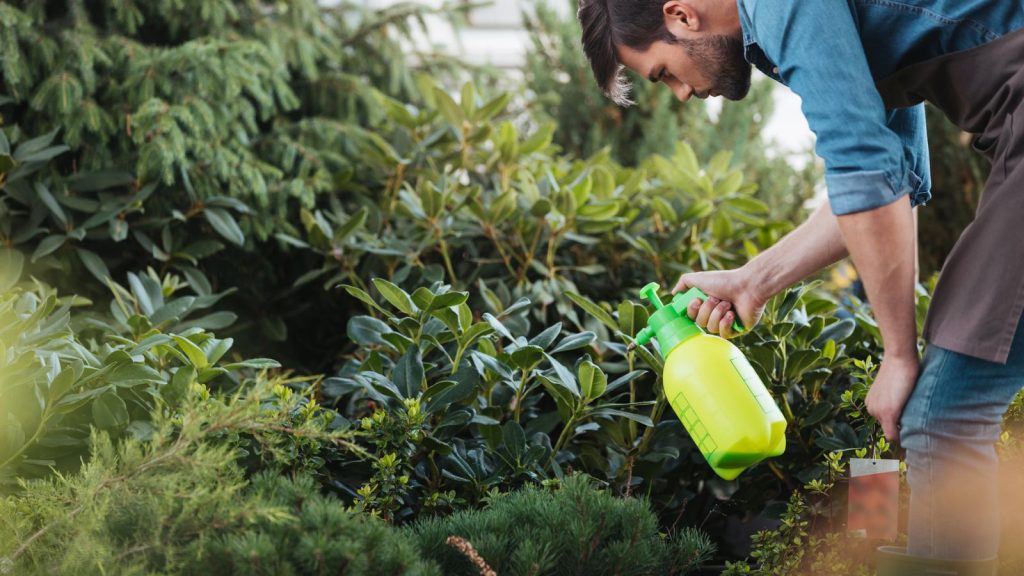
Horticultural soap is a gentle but effective way to kill bagworm larvae inside their bags. Spray directly in early summer, especially when you can spot movement. The soap penetrates the bag’s structure and suffocates the worm inside without harming your plants.
9. Apply a Basal Trunk Spray

For more severe bagworm infestations, apply a residual insecticide, such as permethrin, around the base of the tree. Permethrin creates a toxic barrier that kills larvae crawling up from the ground. Unfortunately, there’s also a high risk that it’ll kill off other beneficial insects in the process as well. Always follow safety instructions and reapply after rain.
10. Clear Fall Leaf Litter

Bagworms sometimes pupate in dead leaves on the ground, especially near trees they’ve already infested. In autumn, rake up and remove all fallen leaves and plant debris from around those trees. Getting rid of this natural hiding place reduces the number of larvae that survive into the next season.
11. Wrap Sticky Bands Around Branches

Bagworm larvae often move downward along the trunk when it’s time to pupate. You can stop them as they crawl by wrapping a sticky band (such as Tanglefoot or a similar product) around the tree, approximately 6–8 inches above the ground. Replace the bands every couple of weeks or when they’re full of pests.
12. Install Biodegradable Traps on Trees

Traps are a low-effort, high-reward means to reduce the bagworm population. However, if you prefer something more eco-friendly, you can also create a simple trap using biodegradable materials.
Soak strips of cardboard or biodegradable paper in soapy water mixed with a strong-scented lure and sticky substances, such as essential oils or molasses. Wrap these strips around tree trunks. As bagworms climb down, they’ll get stuck, without you needing harsh chemicals.
13. Rotate Types of Insecticides
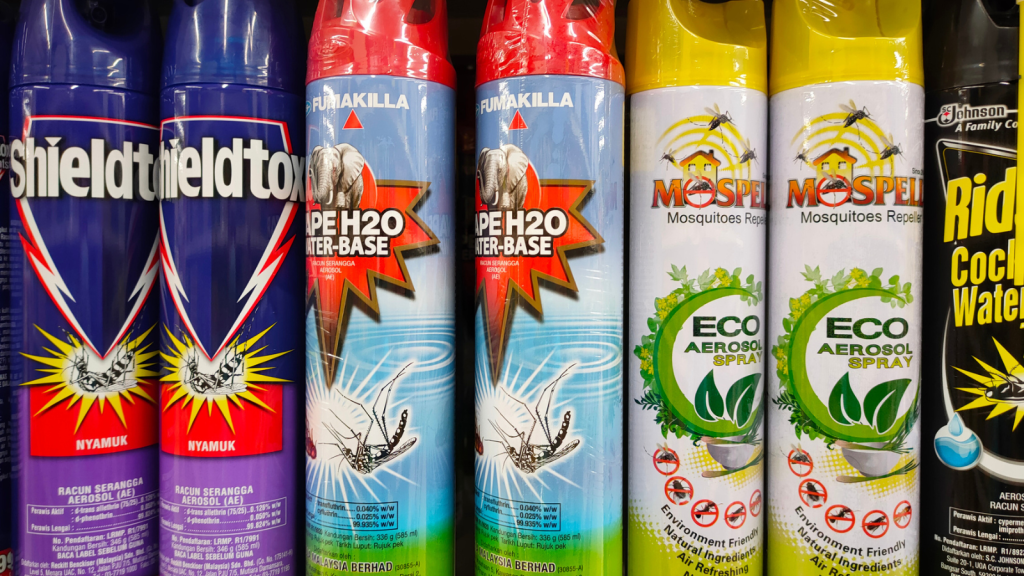
If you’re using insecticides over a season or several years, don’t use the same one repeatedly. Bagworms can build resistance over time. Instead, rotate between different active ingredients like
14. Schedule Timed Water Hosing
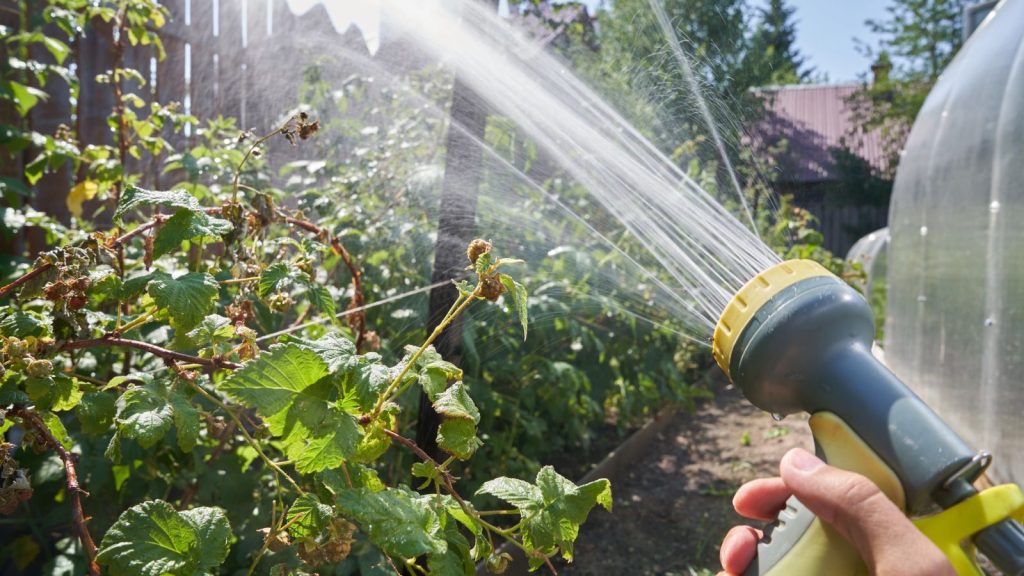
A powerful stream from a garden hose can knock small bagworm larvae off trees, especially in early summer when they’re still small and vulnerable. Blast affected branches every day for a week or two, and check closely for results. Keep at it until you stop seeing new bags.
15. Add Bird Attraction Stations

Birds like to feed on bugs, and many love bagworms in particular. Set up bird feeders, birdbaths, or native shrubs near your infested trees to invite birds like sparrows, finches, chickadees, nuthatches, and warblers. These helpful birds will naturally feed on bagworms, helping reduce the population without any further nudge from you.
16. Apply Preventative Summer Sprays
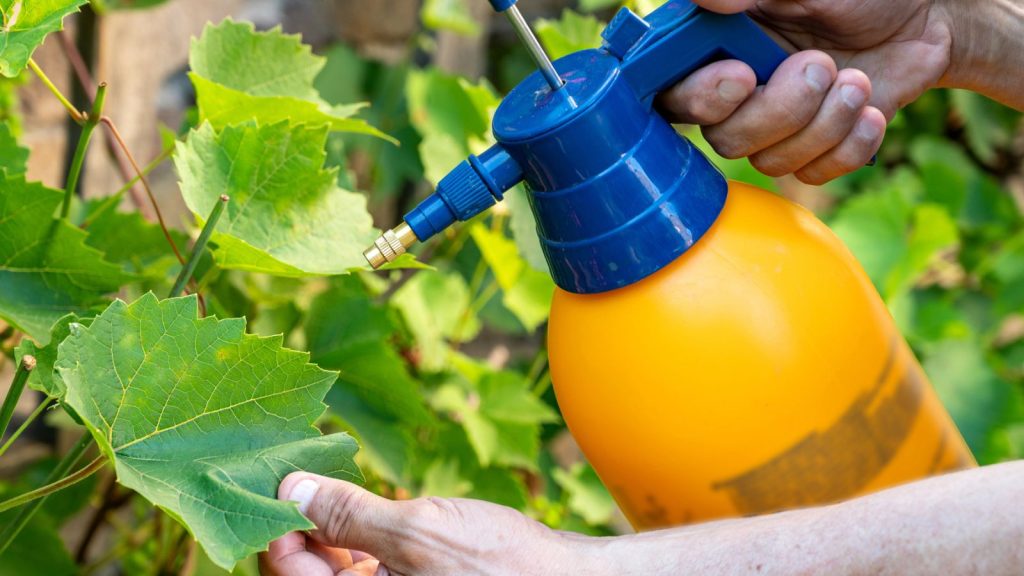
If you’ve gotten rid of most bagworms in the spring, that doesn’t mean your work stops there. Apply a light preventative spray, like
How to Get Rid of Squash Bugs for Good
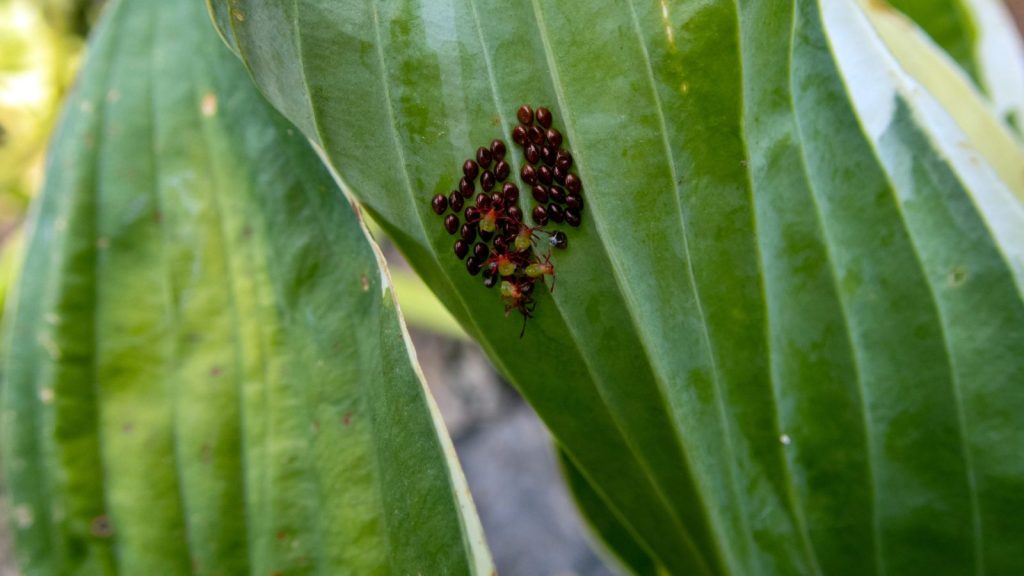
Let’s talk about ways you can identify squash bugs at every stage of their life cycle, recognize the damage they leave behind, and explore effective, natural methods to control and eliminate them for good!
How to Get Rid of Squash Bugs for Good
How to Defeat Japanese Beetles in Your Garden

If Japanese beetles are causing problems in your garden, consider trying one of these natural methods to eliminate them.
How to Defeat Japanese Beetles in Your Garden
Common Pests That Could Ruin Your Fall Vegetable Garden

Fall gardens can attract a variety of pests eager to snack on your crops, threatening your harvest. The good news is that nature provides ways to manage these unwanted visitors. Here’s a guide to some of the most common fall garden pests and tips on how to prevent and manage them.
8 Common Pests That Could Ruin Your Fall Vegetable Garden

Sandra Enuma
Sandra Enuma is a writer who's as comfortable with a trowel as she is with a keyboard. She’s passionate about sharing simple, down-to-earth tips to help you start and manage your own home garden, no matter your experience.