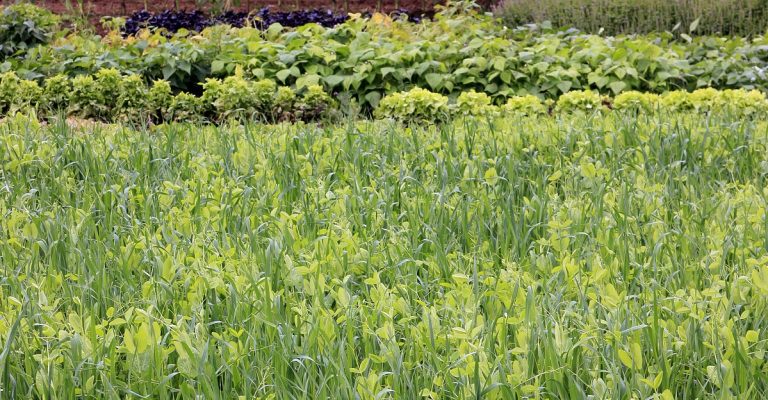
Chives are one of the most versatile and beneficial plants you can grow in a garden. These herbs repel pests, attract pollinators, and offer countless dishes a mild yet aromatic flavor. And while they are famously good neighbors to many, it’s just as important to know which plants support their growth in return.
Below, you’ll find 15 companion plants that don’t just get along with chives but also help them thrive, as well as some that are not so compatible.
1. Nasturtiums (Tropaeolum majus)
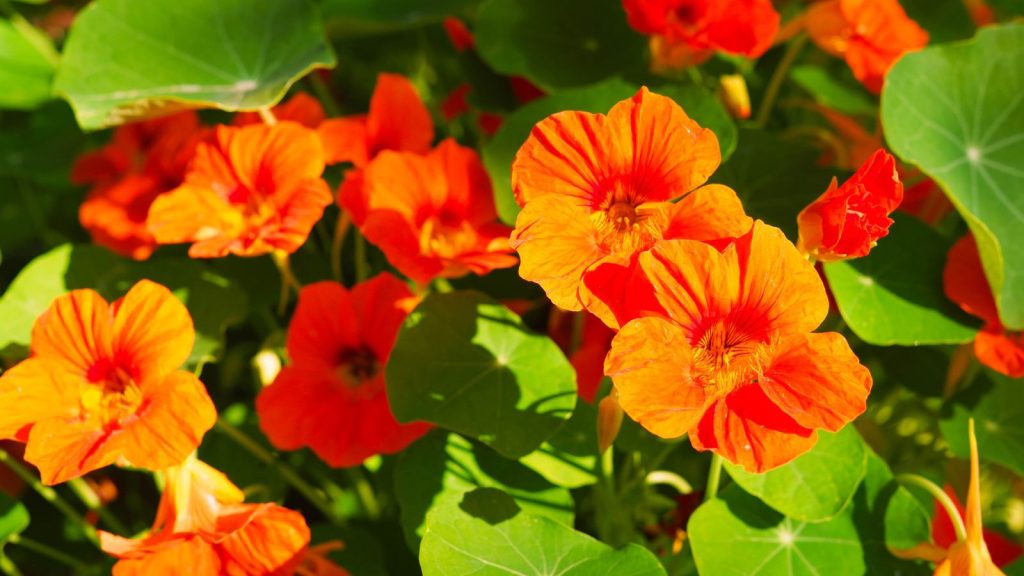
Nasturtiums are bright and stunning plants with bright orange or yellow flowers that can improve the appearance of your garden. They attract beneficial insects that can enhance your garden’s ecosystem.
For example, insects like ladybugs can get rid of aphids, one of the biggest pests of chives.
2. Tomatoes (Solanum lycopersicum)
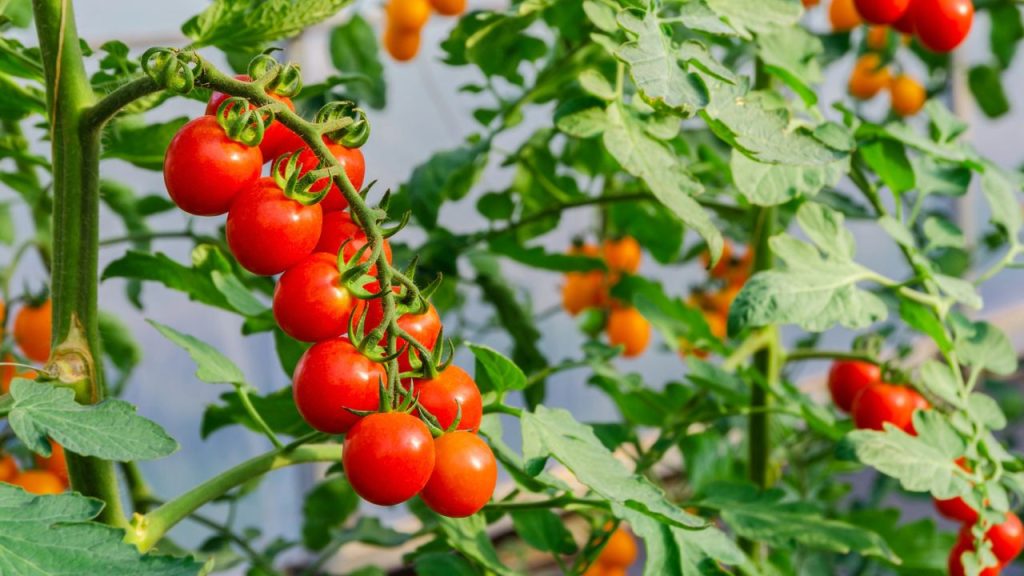
Tomatoes and chives are incredibly complementary. They have similar growth habits and are easy to grow. Chives are known to improve the taste of plants planted next to them. In return, tomatoes provide height and partial shade that can shield chives from harsh summer sun.
Their sprawling lower leaves also trap humidity near the soil, which is beneficial for chives during dry spells. Depending on the variety, tomatoes thrive in full sun, fertile soil, and USDA zones 5 to 8.
Related: 17 Reasons Why Your Tomato Plant Leaves Are Turning Brown
3. Marigolds (Tagetes patula)

Marigolds are complementary to chives as they attract many pollinators to help control pests. In addition, this plant has an aroma that repels nematodes and aphids. Marigolds are fairly easy to grow and maintain. This plant thrives in USDA zones 2 to 11.
4. Carrot (Daucus carota)

Carrots and chives are beneficial to each other when planted together. Chives can help mask the
Both plants prefer loose, well-drained soil, growing best in full sun to partial shade.
Related: Grow Better Carrots with These Companion Plants
5. Alliums (Allium sativum)

Alliums are a family of flowering plants and herbs like chives, shallots, leeks, and onions. You can plant chives and other alliums together, since they have similar growth habits and needs. But be sure to space them properly, so they don’t compete and stunt each other’s growth.
In addition, alliums attract pollinators and deter pests, and once decomposed, they can serve as nutrients for the soil. Alliums grow well in USDA zones 4 to 10.
6. Strawberries (Fragaria x ananassa)
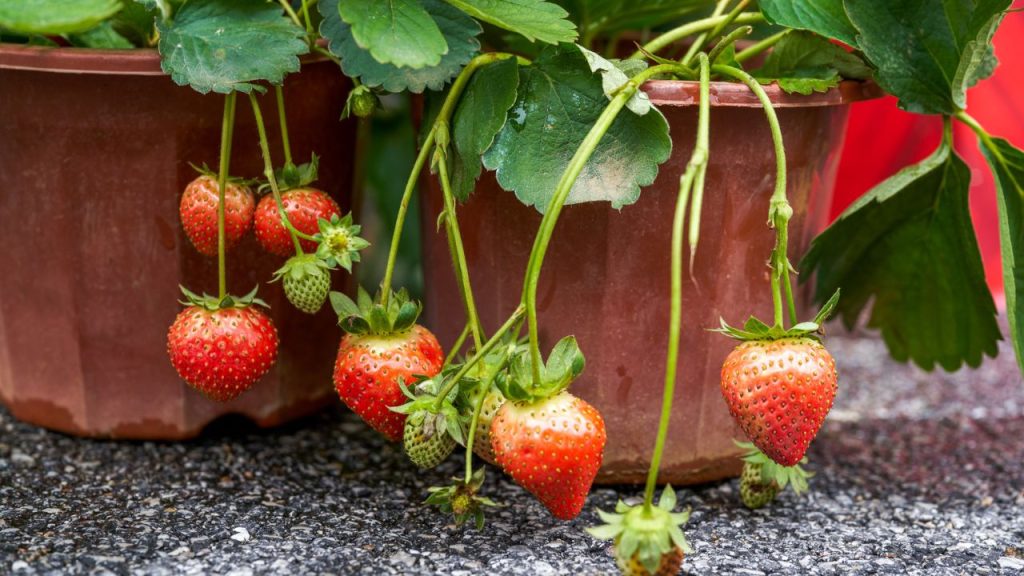
Strawberries are great companions for chives. They benefit from the pest-repelling abilities of chives, but return the favor by acting as a soft mulch. Their low-growing foliage helps shade the soil around chives, retaining moisture and reducing weed growth.
Although they both have shallow roots and mature around the same time, chives have more fibrous roots, and the strawberry’s shallow root system won’t interfere with it or compete for nutrients. Strawberries thrive in USDA zones 4 to 9 in full sun and moist, well-drained soil.
7. Celery (Apium graveolens)

Celery and chives require similar growing environments, making them great for companion planting. You can grow a healthy garden with celery stalks, which provide shade during warmer months and help moderate moisture levels in the soil, which chives appreciate. Its dense canopy also helps suppress weeds.
Chives return the favor by deterring aphids and other common celery pests. Celery grows well in USDA zones 5 to 9 in rich, moist soil.
8. Rosemary (Salvia rosmarinus)

Though both chives and rosemary are aromatic herbs, they have enough differences in growth habits to make their companionship mutually beneficial. Rosemary thrives in USDA zones 8 to 10, with dry, well-drained soil and full sun.
In drier gardens or containers, rosemary’s woody stems and dense foliage can help buffer wind and reduce surface evaporation for chives, providing shade that helps them retain moisture. Their combined scents can deter pests.
9. Cucumbers (Cucumis sativus)

Cucumbers are famous for improving air circulation around plants. Its vines create a living mulch once they spread, which helps to keep the soil around chives moist and weed-free.
They also have a root structure that improves soil health, which benefits chives. In return, chives can help reduce the risk of powdery mildew and drive away pests that affect cucumbers.
10. Cabbage (Brassica oleracea var. capitata)

Cabbage is a must-have biennial for every vegetable garden. As a companion plant, cabbage’s thick leaves create a sheltered underlayer for chives to grow. This cooling microclimate keeps the soil damp and reduces the stress chives might experience during hot days. It also helps fill space, discouraging the growth of weeds.
In return, chives act as natural repellents for common cabbage pests like cabbage worms, aphids, and flea beetles, releasing sulfur compounds that many pests can’t stand. Cabbage thrives in USDA zones 8 to 9.
11. Apple trees (Malus x domestic)

Chives are often planted at the base of apple trees to deter apple scab, pests like aphids and codling moths, deer, and other intruders. Apple trees form a canopy that shields chives from harsh midday sun, especially in warmer climates.
Their fallen leaves act as natural mulch in autumn, slowly decomposing to enrich the soil and support the shallow roots of chives below. Apple trees grow best in USDA zones 4 to 9.
12. Rose (Rosa rubiginosa)
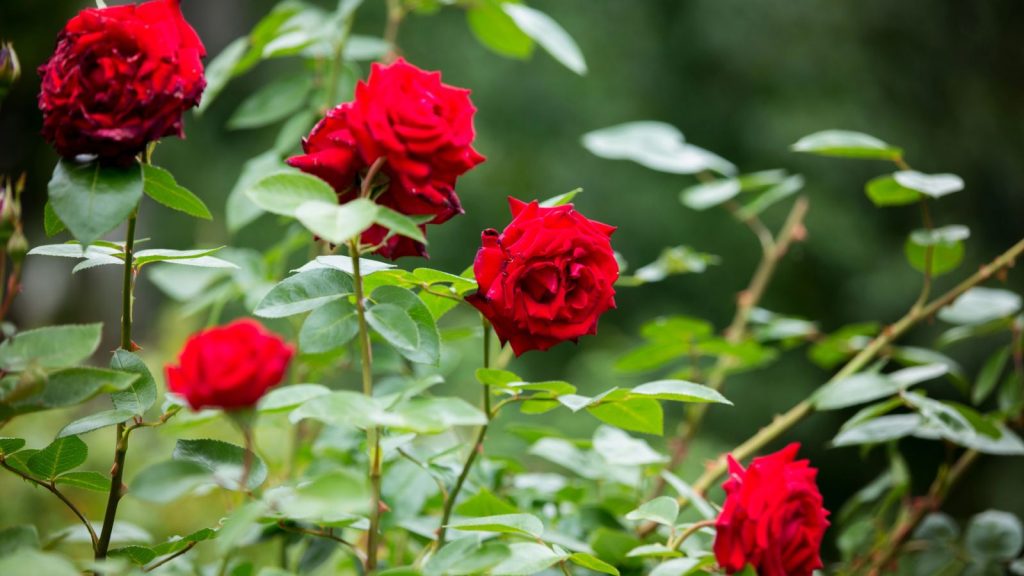
In many cottage gardens, roses and chives are often grown together, not just for aesthetics. Chives help protect rose bushes from black spot and aphids. On the other hand, roses attract pollinators and beneficial insects in droves, some of which also help control pests that affect chives.
The dense rose bushes can also provide partial protection from wind, reducing stress on tender chive stalks. As roses mature and drop their petals, they add organic matter that improves soil texture and fertility. The rose plant thrives in USDA zones 5 to 9, with full sun and rich soil.
13. Lettuce (Lactuca sativa)

Planting
Both plants appreciate full sun to partial shade and consistent moisture. Plant
14. Beets (Beta vulgaris L.)

Beets are another solid companion plant for chives. They grow deep and wide, breaking up compact soil and encouraging stronger root development in chives. Their broad leaves also provide some gentle shade for chives in summer. They are not heavy feeders, which reduces competition in the garden.
Beets are easy-going plants that require fertile, well-drained soil with plenty of organic matter and full sunlight. They grow best in USDA zones 2 to 10.
15. Broccoli (Brassica oleracea var. italica)

Broccoli’s broad, leafy canopy can make the soil a cooler, more humid environment, which is especially helpful in warmer zones where chives may struggle with heat stress. The shade created also encourages moisture retention in the soil and reduces the need for frequent watering.
Broccoli is also a heavy feeder, drawing nutrients upward from the soil and making them accessible. Once harvested, its decomposing roots and leftover leaves enrich and fertilize the bed with organic matter. It also attracts pollinators and beneficial insects that help improve garden health. Broccoli thrives in USDA zones 3 to 11.
What Not to Plant Near Your Chives for Best Growth
Here’s a list of plants that don’t pair well with chives and are best kept at a distance in your garden.
Beans (Phaseolus)

Beans don’t respond well to the sulfuric compounds that make chives so effective against pests. These compounds can stunt bean growth.
Peas (Pisum sativum)
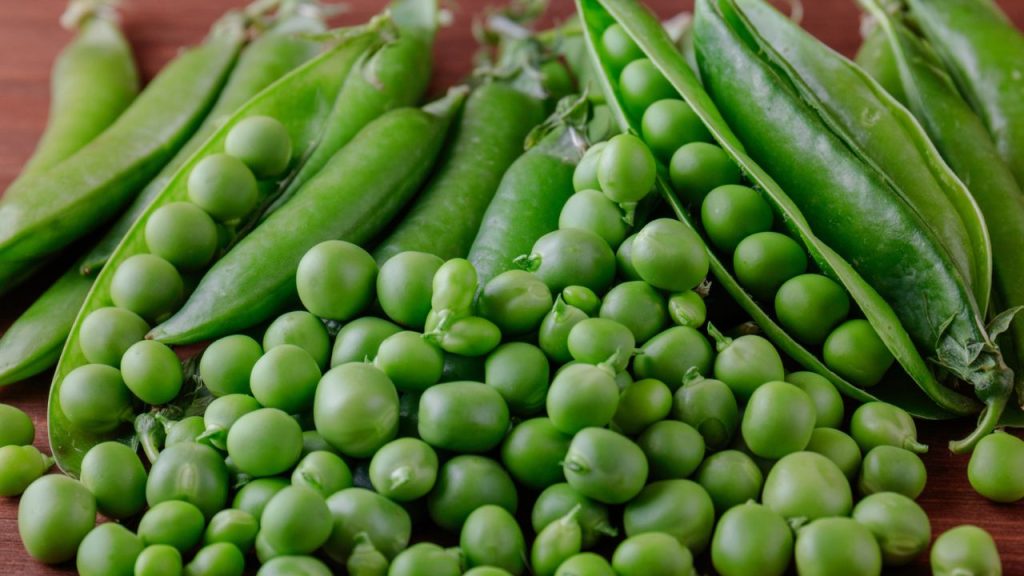
Like beans,
Asparagus (Asparagus officinalis)
Asparagus is famous for stunting the growth of nearby plants like chives. Chives may also interfere with asparagus root development and reduce productivity in established beds.
12 Plants to Grow Alongside Your Blueberry Bushes to Keep Them Happy

Planting the right companion plants near blueberry bushes can help to ensure successful fruiting. Here are some plants that you should grow alongside blueberry bushes to help them thrive.
12 Plants to Grow Alongside Your Blueberry Bushes to Keep Them Happy

Sandra Enuma
Sandra Enuma is a writer who's as comfortable with a trowel as she is with a keyboard. She’s passionate about sharing simple, down-to-earth tips to help you start and manage your own home garden, no matter your experience.