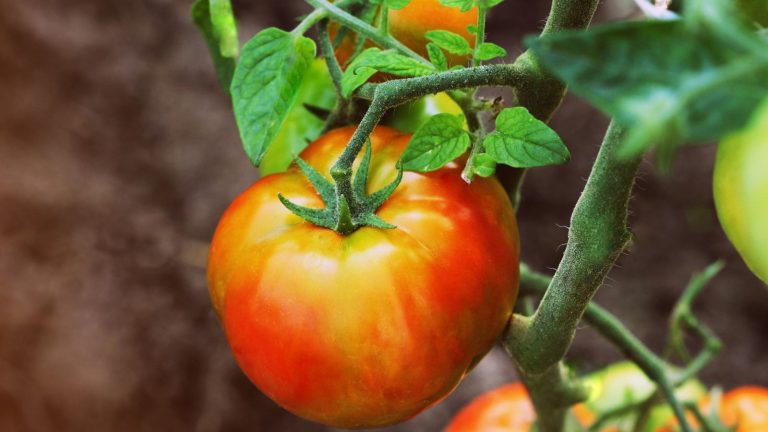
Cucumbers don’t ripen on the vine like tomatoes or melons. You don’t leave them to deepen in color or get softer before harvesting. In fact, by the time they start to show these changes, it’s too late and they’re already overripe. They become bitter, the seeds get tough, and the skin starts to yellow or harden. So how do you catch them when they’re young and tender?
Here are a few tips to help you get it right: know when and how to harvest your cucumbers at just the right time.
Check the Length

Harvest cucumbers when they’ve reached the right size for their variety. Most varieties that you slice into salads or eat fresh, such as Straight Eight or Marketmore, are ready for harvest when they’re 6–8 inches long.
On the other hand, pickling varieties (like Boston Pickling or National Pickling) are ready much earlier, at just 2 to 4 inches. If you’re unsure of what you planted, check the seed packet or plant tag for size guidelines.
Harvest Green

Color can be a better guide for harvesting cucumbers than size. Look for fruits with a deep, even green all over; that’s a sign the
Once the green starts to fade or develop a yellowish tinge, harvest immediately. Even if this means harvesting when the size appears slightly smaller than expected.
Feel for Firmness

A perfectly ready
Softness is a clear sign that the
Avoid Shiny Skins

Developing cucumbers often have an overly glossy look that reflects light. For harvesting, choose cucumbers with a more natural, slightly matte finish as this signals they’ve reached peak flavor and texture.
While the skin should still have a gentle sheen, it should not be the polished, artificial shine of unripe fruit.
Look for Slight Bumps, Not Hard Spines
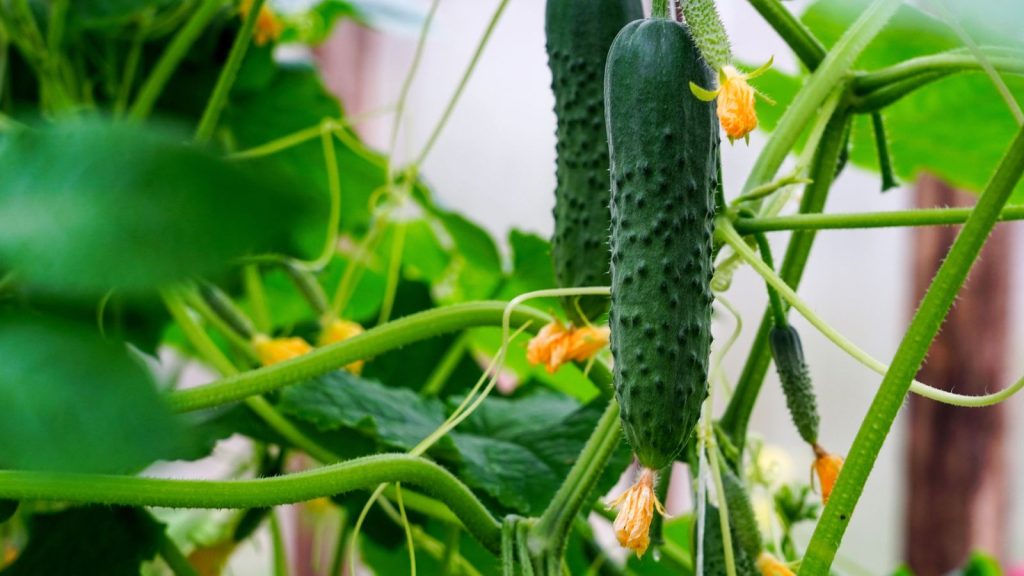
Harvest-ready cucumbers usually have small, soft bumps or gentle ridges on their skin. These feel textured but not sharp. Hard, prickly spines are a sign the fruit is still young and needs more time on the vine.
Some varieties, like English or greenhouse cucumbers, may have smoother skin, but the same rule applies — the surface should feel developed, not harsh.
Pick Before the Seeds Get Too Big

If you can make out the shape of the seeds through the skin, the
Harvest in the Morning

The time of day you harvest significantly impacts the quality and storage life of your cucumbers. If you harvest in the morning, ideally before 10 AM, you get cucumbers with peak moisture and crispness.
Plants naturally rehydrate overnight, so fruits are plump and firm in the morning. By afternoon, especially on hot days, they may lose some water content and experience mild heat stress, which can affect both taste and storage life.
Snip, Don’t Twist

Use clean scissors, pruners, or a sharp knife to cut cucumbers about a quarter-inch above the stem. Twisting or pulling can tear delicate stems, reduce future fruiting, bruise the
A quick, clean cut heals faster and keeps your plant productive. If you don’t have the necessary tools on hand, wait until you do, rather than risk irreparable damage.
Pick Regularly to Encourage More Growth

Harvest cucumbers every day or two during peak season to keep the plants producing. When you leave cucumbers on the vine, the plant interprets it as a signal that reproduction is complete, and it starts to slow down fruiting in response.
Regular harvests encourage the growth of more flowers, fruit, and a longer harvest season. Even if you can’t use them right away, store or preserve your harvested cucumbers to maximize yield.
Keep the Stem Cap

When harvesting, always leave a small piece of stem attached to the cucumbers. Since the stem end is often the first place cucumbers start to spoil, keeping this area sealed forms a natural barrier. This seal slows moisture loss and helps block bacteria from entering the fruit, extending its freshness by several days.
Handle Gently

Cucumbers are more delicate than they look, and rough handling can cause invisible damage that shortens their storage life. Even small bruises or pressure marks create openings for bacteria and speed up spoilage.
When harvesting, place cucumbers gently into your basket instead of dropping them in. Avoid stacking too many together, as the weight can cause bruising to those at the bottom. Transport them from garden to kitchen with care, treating them more like eggs.