
Freshly harvested potatoes are one of the most satisfying rewards from the garden. Digging them up is an activity the whole family can enjoy. But once they’re out of the ground, how you handle them will determine how long they stay fresh, firm, and sprout-free.
There are several ways to store potatoes, from newspaper-lined baskets to burying them back in soil. In this guide, we’ll focus on using wood shavings — a simple, effective method that helps maintain ideal moisture levels and prevents premature sprouting. Before they go into storage, potatoes need to be properly dried and cured, so they’re ready to last through the winter months.
How to Harvest Potatoes

Before harvesting potatoes, ensure they are fully mature before harvesting them. Potatoes are ready to harvest when the vines have died, and the skin is firmly attached. Dig out a hill or two to test your potatoes and rub your hands over the skin.
The potatoes are not yet ready to harvest if the skin rubs off easily. If it stays firmly attached and does not rub off under your fingers, you can dig your potatoes up and take the following steps to store them effectively.
Dry the Potatoes

Freshly harvested potatoes, please, are one of the most satisfying rewards from the garden. One option is to leave them in the garden on top of the soil, covered to protect them from direct sunlight.
You can also place them in a shady spot, either outside or inside your house. The most important thing to remember during this time is to keep potatoes out of direct sunlight. Potatoes exposed to sunlight tend to get green skin, which can be slightly toxic when eaten.
Your potatoes should be dry after just a day or two.
Brush off Soil and Sort for Damaged Potatoes

After the potatoes have dried, brush off as much dirt as possible. Use something that won’t scratch the potato’s skin. This enables you to inspect the potato for any imperfections and check for damage caused by pests.
Store the potatoes in the best possible storage condition, and set aside any damaged potatoes to use as soon as possible.
Just be sure to avoid washing the potatoes before storage — it’s difficult to dry them afterward, and it lowers the quality of the potatoes.
Cure the Potatoes

Curing your potatoes allows the skin to toughen up and prepares them for longer storage. The curing period should be between 7 and 14 days. You want a cool, dark place to cure your potatoes without sunlight shining.
The ideal air temperature ranges from 45 to 60 degrees. If you’re looking for a high-humidity environment, aim for 85-95% humidity. Airflow is another factor to consider — the skin of the potatoes needs to breathe to cure fully. In many cases, a basement or garage can be an excellent option for curing potatoes.
If you don’t have the option of slotted shelving or something conducive to airflow, rotate the potatoes every couple of days throughout the curing process to ensure the entire skin is exposed to air.
Curate the Shavings
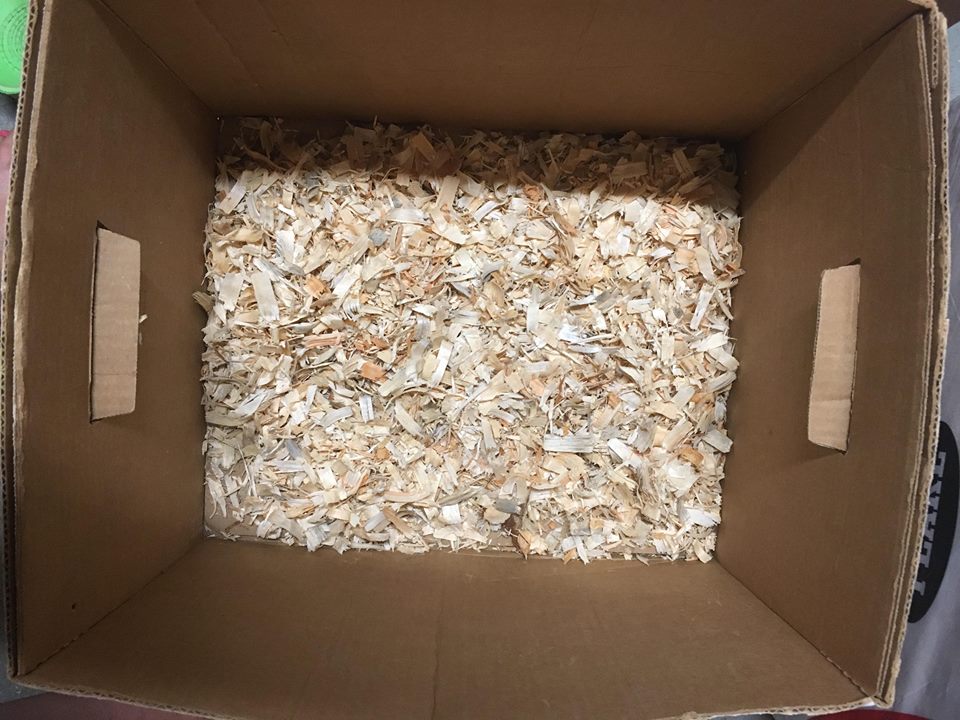
Once your potatoes have fully cured, it’s time to store them. Start by putting a thin layer of shavings down on the bottom layer of your box.
Store Potatoes in the Shavings

Next, layer the potatoes, making sure to leave a little space between each for airflow. Put another thin layer of shavings, then more potatoes, repeating the process until the box is full. Store them in a cool, dark place for winter storage.
The ideal temperature for storing potatoes is between 40-50°Fahrenheit — any cooler, and you risk the potatoes freezing; any warmer, and the potatoes could start sprouting more quickly. The location should also not be too moist, or the potatoes will start to go bad. Luckily, storing the potatoes in shavings helps absorb moisture and prevents them from becoming too wet.
Cover your box or bin with a regular cover, newspaper, or sheet, but ensure that air circulation is maintained by poking holes in the side or top of the storage box.
Be mindful to check on your potatoes throughout their storage life. Any that are sprouting or starting to get squishy need to be removed immediately.
Where to Store Potatoes

A basement or garage is usually a good storage location for potatoes, but ensure the area is not too moist. They will not keep as long in a refrigerator because the added moisture will cause sugars to develop, which in turn will cause them to darken when cooked.
I’ve Grown Tomatoes for Years —These Are the Tips That Actually Work
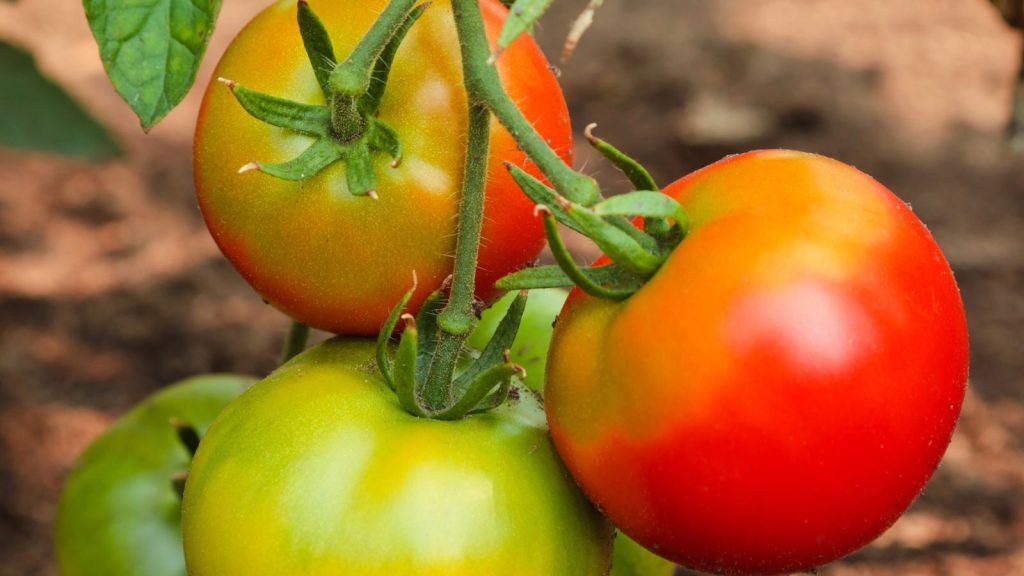
f you’re tired of trial and error and need advice that actually yields results, here are 18 tips that’ll help you grow the best tomatoes of your life.
I’ve Grown Tomatoes for Years —These Are the Tips That Actually Work
How to Know When Sweet Potatoes Are Perfectly Ready to Harvest

How to Know When Sweet Potatoes Are Perfectly Ready to Harvest
How to Harvest and Store Radishes The Right Way

Radishes are among the first vegetables harvested in a late spring (or fall) garden, which makes them particularly exciting. Here’s a guide on how to store
How to Harvest and Store Radishes The Right Way
12 Challenging Vegetables to Grow That Are Totally Worth It