
Artichoke is an unusual vegetable grown from the plant Cynara scolymus. This perennial plant is fairly easy to grow and is susceptible to very few pests.
However, you can grow healthier artichokes with less effort through companion planting. There are several plants that are suitable companions for artichokes. Here are a few to consider.
1. Arugula (Eruca vesicaria)

Arugula is a fast-growing leafy vegetable known for its several health benefits. This vegetable plant is perfect for artichokes because it matures quickly and doesn’t compete for space or nutrients.
More importantly,
2. Beans (Phaseolus vulgaris)

Beans and artichokes may not seem like natural companions, but they complement each other nicely. Beans fix nitrogen in the soil, enriching it for heavy feeders like artichokes. In return, artichokes’ tall, leafy canopy shades the soil, keeping roots cool and moist for bean varieties with shallow roots.
Be sure to use bush beans instead of pole beans to avoid competing for vertical space. Beans grow well in USDA zones 3 to 10 with full sun and moderately fertile soil.
3. Borage (Borago officinalis)

Artichokes are often plagued by pests like spider mites, whiteflies, and aphids. Borage attracts pollinators and predatory insects like hoverflies and parasitic wasps, both of which help control pests that target artichokes.
Borage also improves soil by drawing up trace minerals through its deep taproot. Once it dies, it becomes a green mulch, returning these minerals to the soil. Borage grows in USDA zones 3 to 10, thriving in full sun and well-drained soil.
4. Lettuce (Lactuca sativa)

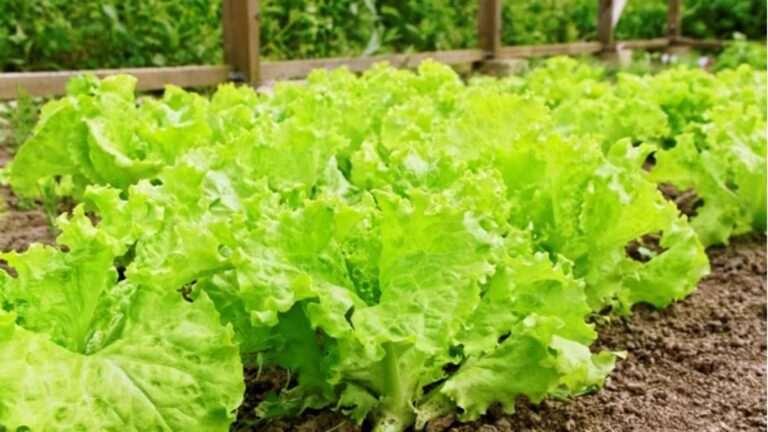
Lettuce is another great companion plant, acting as a filler crop between rows of artichokes. Its shallow roots won’t interfere with the deeper taproots of artichokes.
It’s also a low-growing plant that helps shade the ground, reduces weeds, and conserves soil moisture. Since it grows quickly, you can harvest it before the artichokes really start to spread.
5. Peppers (Capsicum annuum)

Peppers and artichokes are a great combo because they don’t compete for nutrients or space. They also thrive in similar environments, both appreciating full sun and rich, loamy soil.
Peppers can also act as trap plants, attracting aphids and spider mites away from artichokes. In turn, the artichoke’s large foliage can buffer strong winds and help protect young pepper plants early in the season. Peppers grow best in USDA zones 5 to 11.
6. Corn (Zea mays)

Corn has fibrous roots that don’t disturb the wide-spreading root system of artichokes. Its tall stalks can act like a shield when it gets windy, and also provide some shade to protect young artichoke leaves from scorching during heat waves.
It also attracts pollinators and beneficial insects, such as lacewings and ladybugs, which prey on common garden pests. Corn thrives in USDA zones 4–8 with full sun and moist, nitrogen-rich soil.
7. Calendula (Calendula officinalis)

Calendula is a classic companion flower that does a little bit of everything. It attracts pollinators, draws aphids away from edibles, and improves soil structure with its strong root system. If you plant it near artichokes, it acts as a living mulch, helping to manage weeds and regulate moisture levels.
Calendula grows in USDA zones 2 to 11 and prefers full sun and average soil. Space your plants to prevent overcrowding, as artichokes can grow quite large.
8. Onions (Allium cepa)
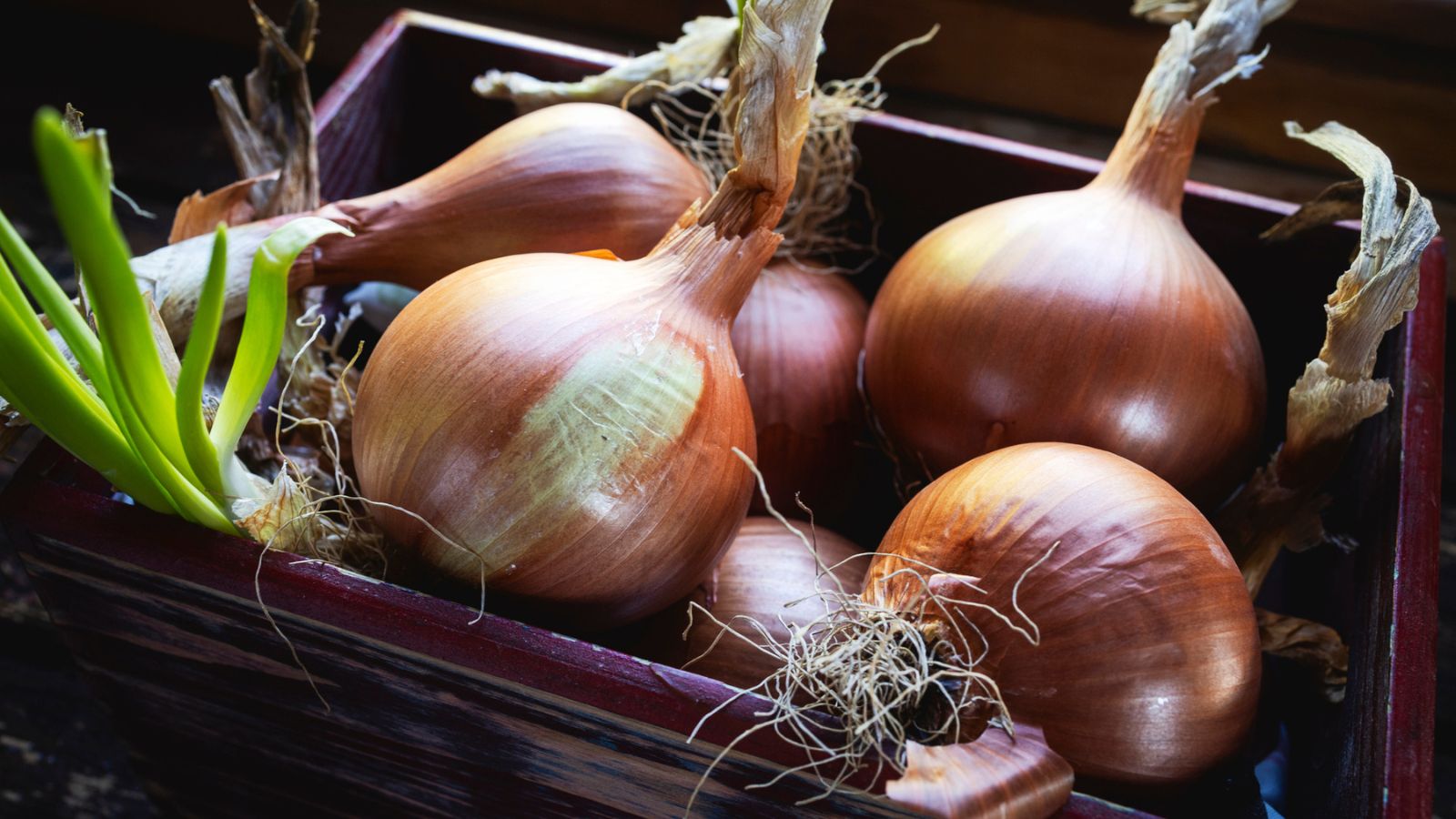
Onions are wonderful pest deterrents and do especially well when tucked near the base of artichokes. They emit a pungent aroma that repels pests like aphids, thrips, flea beetles, and even root maggots.
Because they have narrow, vertical growth, onions won’t interfere with the broad leaves of artichokes. Onions grow best in USDA zones 3 to 9.
9. Radishes (Raphanus sativus)

Radishes are ideal for planting between or in front of young artichokes. They mature quickly and can help loosen compacted soil, allowing the growing artichoke to better establish and expand its roots.
Related: How to Harvest and Store Radishes The Right Way
10. Peas (Pisum sativum)
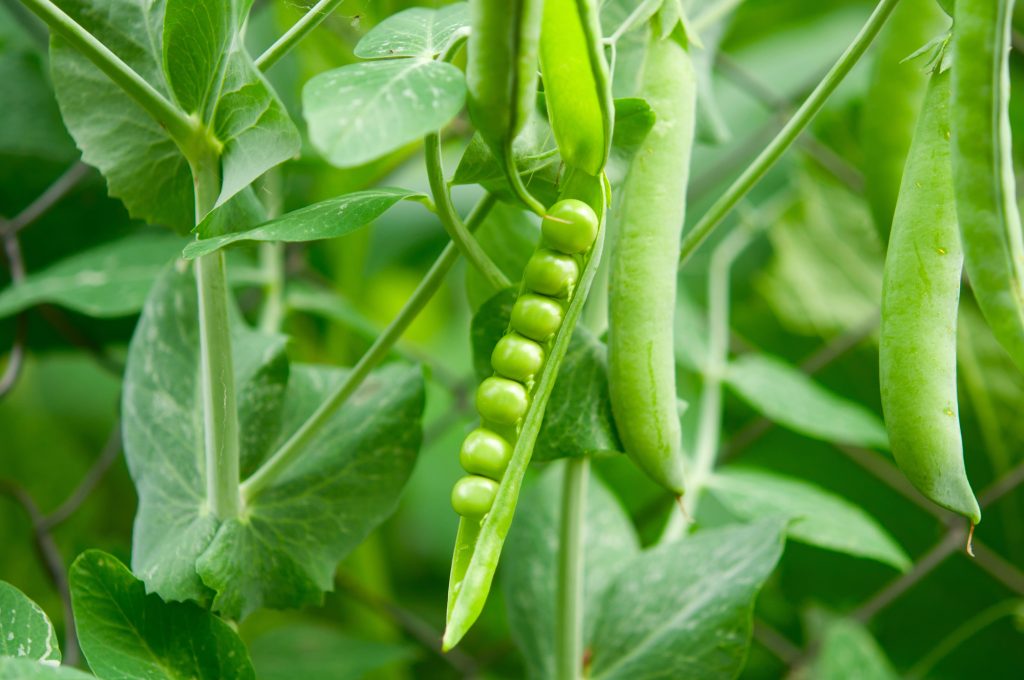
Peas improve the soil by fixing nitrogen. They also grow early in the season, making them a good cool-weather partner for artichokes just coming out of winter dormancy.
These legumes prefer similar well-drained soil and full sun to light shade. Select bush or dwarf varieties that won’t require trellising to prevent overcrowding.
11. Spinach (Spinacia oleracea)
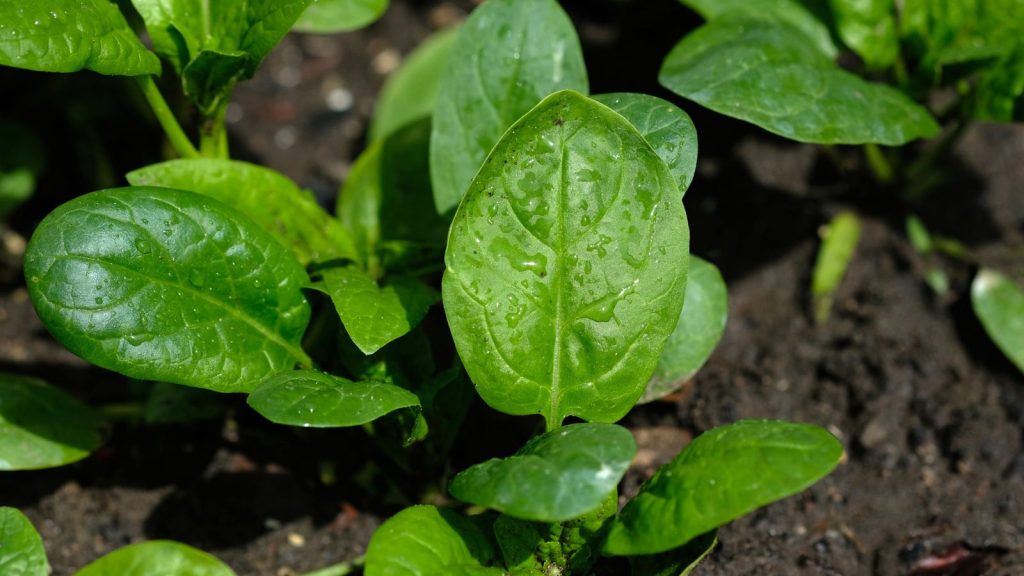
Spinach is a fast-growing leafy green that thrives in the cool conditions of early spring and fall. It’s a particularly great companion for Chinese and
Like
12. Tomatoes (Solanum lycopersicum)

Tomatoes and artichokes have compatible growth habits and soil needs. Artichokes are perennials while tomatoes are annuals, so they can share a garden bed without competing. Tomatoes provide shade and help regulate soil temperature, especially during hot weather. In return, the large leaves of artichokes help keep the tomato bed moist.
Both tomatoes and artichokes are heavy feeders, so they benefit from compost-rich, well-drained soil. Tomatoes grow best in USDA zones 5 to 10.
13. Lavender (Lavandula spp.)

Lavender may seem ornamental only, but it’s great for pest control and attracting pollinators like bees and hummingbirds to your garden. Its strong scent repels pests like whiteflies, aphids, and moths. When
Lavender thrives in hot, dry environments and well-drained soil. It’s hardy in USDA zones 5 to 9.
14. Kale (Brassica oleracea var. sabellica)
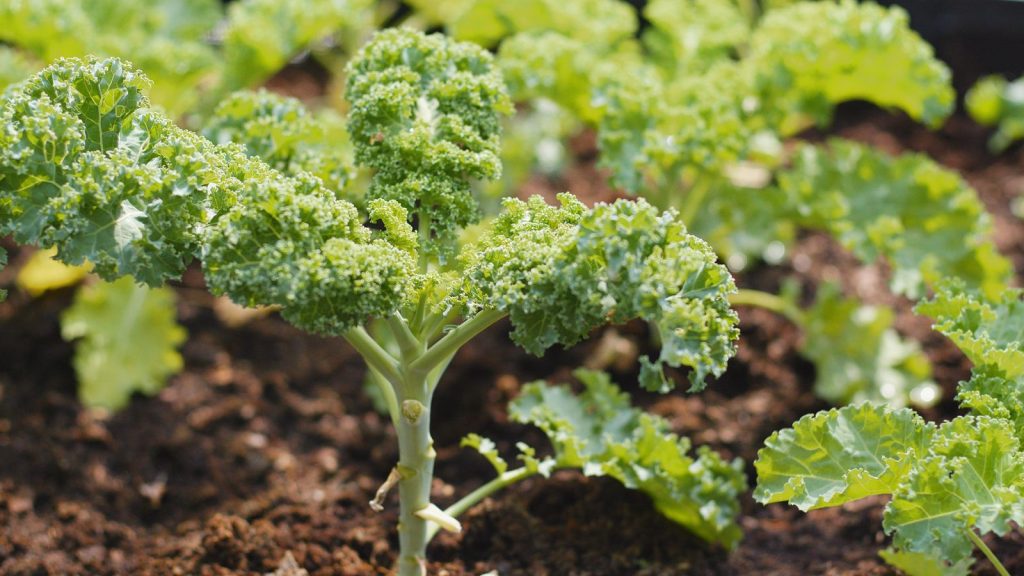
Kale can be used as a filler crop between artichoke rows. Its large leaves help shade the soil and slow down evaporation, which artichokes appreciate. It also attracts pollinators when in flower and helps with pest control.
Kale prefers rich, well-drained soil and thrives in USDA zones 7 to 10. Plant them 2-3 feet away from artichokes to prevent overcrowding.
Related: 18 Best Companion Plants for Kale to Boost Your Harvest
15. Basil (Ocimum basilicum)
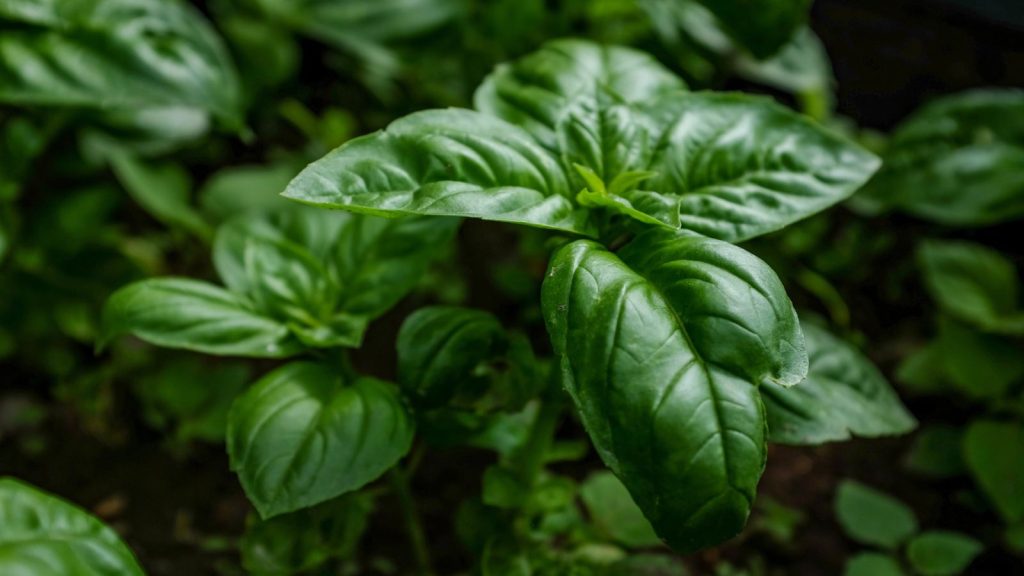
Basil is one of the most sought-after herbs by gardeners. It has an aroma that can be infused into nearby plants and also helps to attract beneficial insects like bees, hoverflies, and lacewings. This aroma can also serve as a natural repellent for pests that commonly attack artichokes, such as aphids and thrips.
While basil prefers warmer, wetter conditions than artichokes, it can thrive when planted nearby if the soil is rich and moisture is consistent. Grow basil in USDA zones 10 to 11 or as an annual in cooler zones.
16. Mint (Mentha spp.)
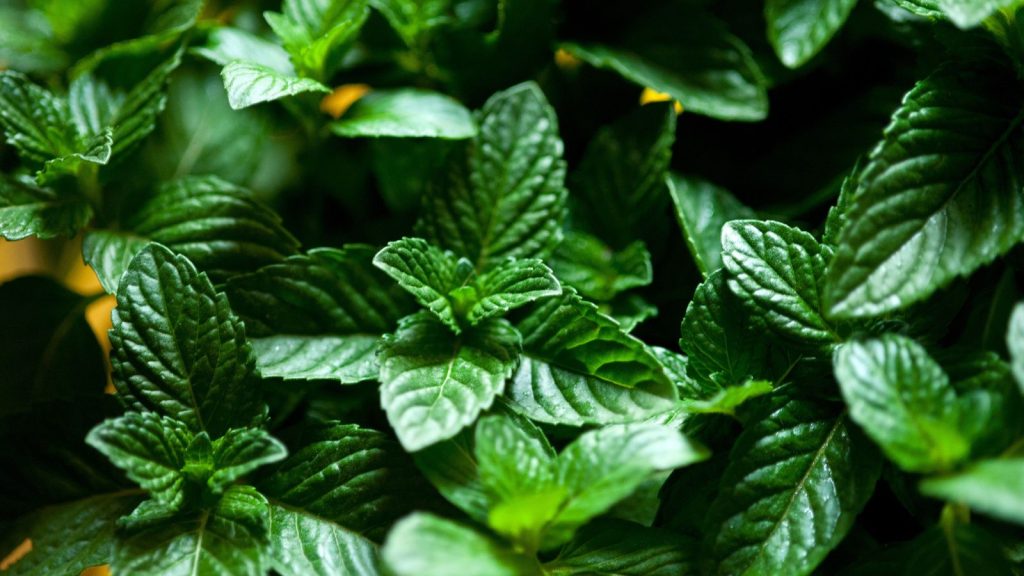
Mint’s herbal odor is known for repelling garden pests that may harm your artichoke, including aphids, ants, and flea beetles. This herb is also famous for attracting beneficial insects and covering patches of soil. Mint thrives in USDA zones 3 to 11 and prefers moist, fertile soil and partial shade.
Plant mint in a separate container to control its aggressive growth and keep it near the artichoke bed.
15 Shade Loving Perennials That Won’t Overrun Your Garden

If you’ve been hesitant to plant perennials in the shadier parts of your garden, these choices will change your mind. These hardy plants thrive without direct sunlight, bringing rich foliage and colorful blooms to areas where other plants might struggle.
15 Shade Loving Perennials That Won’t Overrun Your Garden
21 Cheap Perennials to Grow That Will Make Your Garden Pop

You can fill your space with lush, eye-catching blooms with the right selection without overspending. Here are 21 affordable perennials bringing long-lasting beauty without stretching your wallet this year.