

If you have trees in or near your garden, you’ve probably noticed twigs scattered on the ground. Some fall naturally, while others are knocked down by wind, storms, or even playful squirrels. They tend to pile up in yard corners, clog gutters, or get caught in garden beds, often becoming more of a nuisance than a help.
But before you give in to the temptation to throw them all out, did you know that these scrappy little leftovers can be surprisingly helpful? Here are 17 creative, low-cost ways to put fallen twigs to good use in your garden.
1. Create Natural Plant Supports or Stakes

If you have fallen sticks in your yard, you don’t need to spend money on bamboo stakes or plastic supports when nature’s already done the work for you. Simply choose sturdy, straight sticks and push them into the soil next to your young plants that need them, like tomatoes, beans, and peppers. For heavier climbers, bundle a few thicker sticks together for extra fortification.
2. Weave Into Garden Edging or Borders

Always declutter your lawn, but instead of throwing out the fallen sticks, weave them into a natural garden border. Use flexible, longer twigs to wind in and out of upright sticks that you’ve anchored into the ground. It not only creates a quaint and country-style look, but also helps define flower beds and pathways. Over time, the twigs break down and enrich the soil.
3. Use as Kindling for Fire Pits or Outdoor Ovens

While this one isn’t strictly for gardening, it’s still a great use, especially after a long day out in the sun digging and planting. Gather your driest twigs into a kindling pile for your fire pit or outdoor oven, and enjoy a small feast by the fire at night. Small sticks ignite quickly and help build up enough heat to get larger logs burning. Just make sure the wood is dry and free from mold or mildew.
4. Craft DIY Plant Markers

If you need to keep track of what you planted where, you can use fallen twigs. Trim them into short lengths, flatten one side with a knife, and write the plant name using a permanent marker or a wood-burning tool if you’re feeling fancy. Stick them into the soil at the base of your crops. It’s a cute, functional way to label your plants, and the best part is that it costs absolutely nothing.
5. Make Insect or Bug Shelters
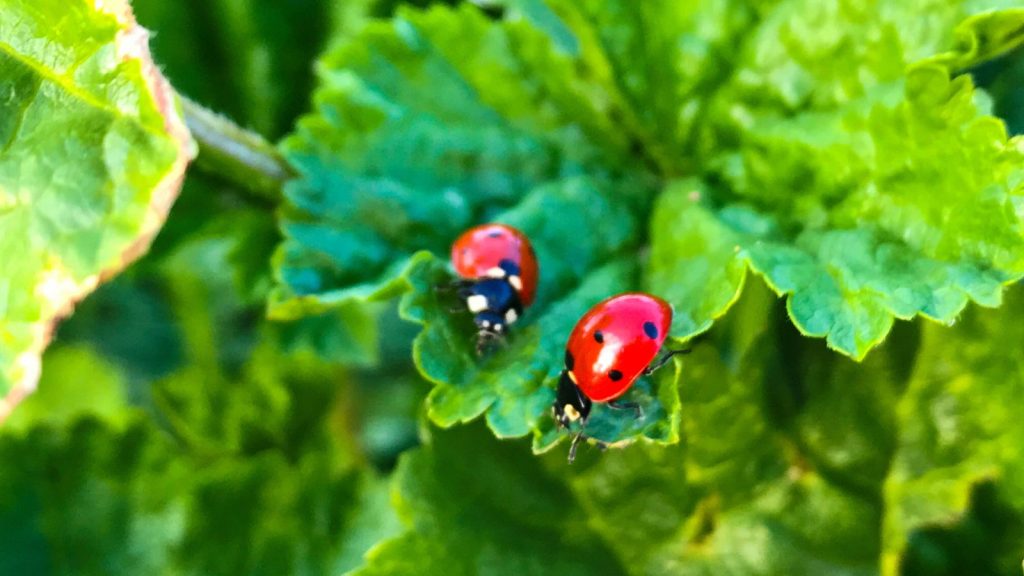
Your garden needs beneficial insects like ladybugs, solitary bees, and lacewings, and it so happens that they also need shelter. You can stack a bundle of twigs in a small wooden frame or inside a mesh container to create a bug hotel. The sticks offer tiny hiding spots that mimic natural woodland debris and attract helpful bugs that can help with pollination and pest control.
6. Outline Garden Paths
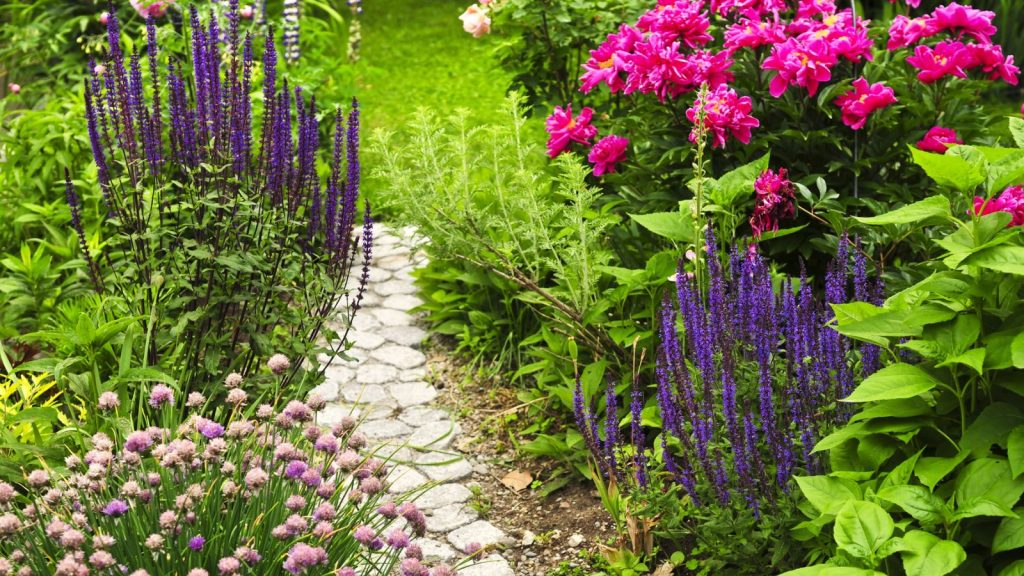
You can use twigs and small branches to create charming garden paths. Outline your walkway with bundles of sticks, or line them up edge-to-edge to create a makeshift stepping outline. While they won’t be as durable as stone, they do a great job of directing foot traffic and giving your garden a woodland feel.
7. Use in Hügelkultur Beds

If you’re into permaculture or sustainable gardening, fallen sticks are perfect for building hügelkultur beds. Hügelkultur beds are raised garden beds constructed with woody debris, such as twigs, logs, and branches, at their base. Over time, the wood breaks down, helping the bed retain water and nutrients. It’s a brilliant way to turn garden waste into a self-sustaining system.
8. Build a Fence or Privacy Screen

If your patio needs a little extra privacy, you can create a simple twig fence by lashing long, sturdy branches together vertically or horizontally. This works best when twigs are still fresh and slightly bendable. You can make it as rustic or polished as you like, depending on how much time you want to put into weaving and finishing.
9. Add to Compost Pile as Brown Material

Twigs are an excellent source of carbon, also known as brown material, in your compost pile. First, break them into smaller pieces so they don’t take forever to decompose. Then mix them with green materials, such as kitchen scraps and lawn clippings, to help balance the compost pile and prevent it from becoming slimy or overly wet.
10. Use as Mulch or Top Dressing Around Plants
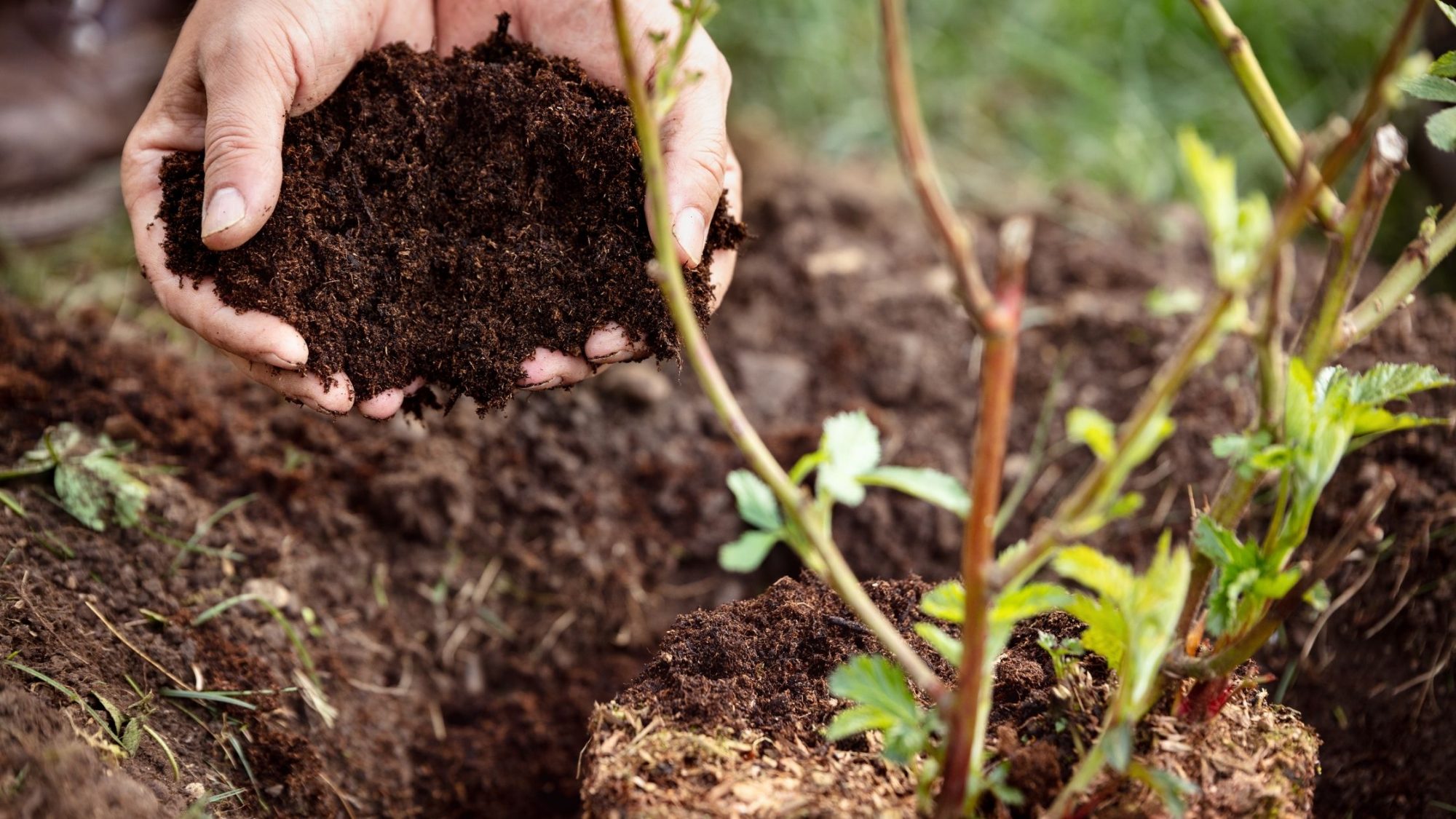
Chop twigs into mulch-sized bits and scatter them around the base of your plants. They’ll help suppress weed growth, retain moisture, and slowly decompose into organic matter that improves your soil. Be sure to keep mulch a few inches away from plant stems to prevent rot and pest damage.
11. Construct Small Raised Beds or Frames
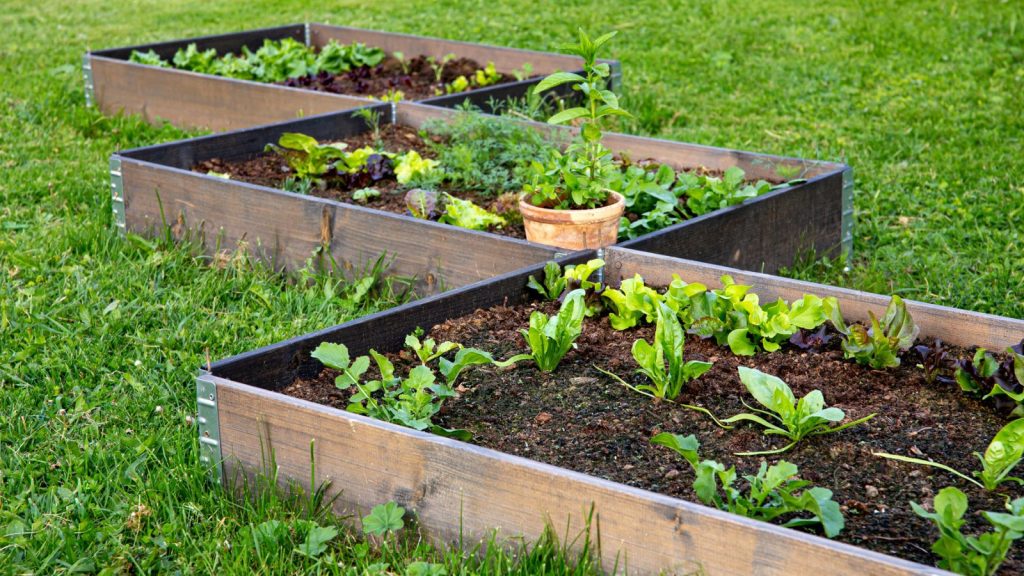
You don’t always need lumber to create a raised bed; you can use twigs and branches instead. Build a frame by staking the corners and weaving sticks along the sides. This works exceptionally well for shallow-rooted vegetables or small herb beds. It won’t last forever, but it’s perfect for a season or two and easy to rebuild when needed.
12. Create Bird Perches or Feeders

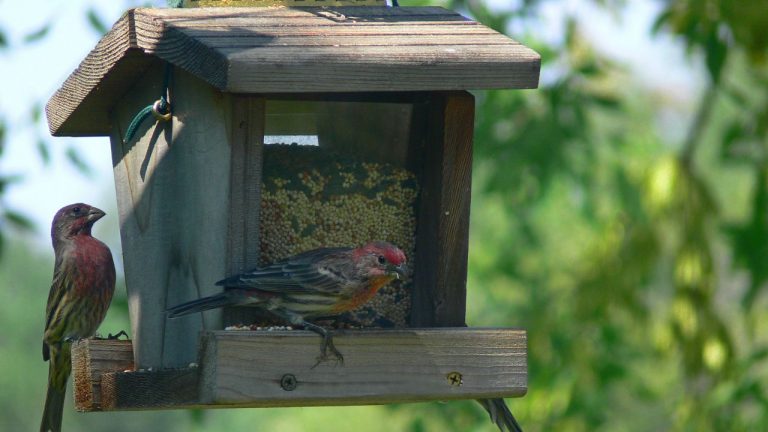
Birds are a must-have for every garden. They add beauty and help to control pests naturally. You can attract them with perches or feeders made with twigs. Prop up a few sturdy branches in flower pots or open beds to serve as perches. Or craft a simple hanging bird feeder by tying a shallow container between two sticks and filling it with seeds.
10 Best Foods to Attract More Birds to Your Feeder
13. Use in Garden Art or Decorative Features
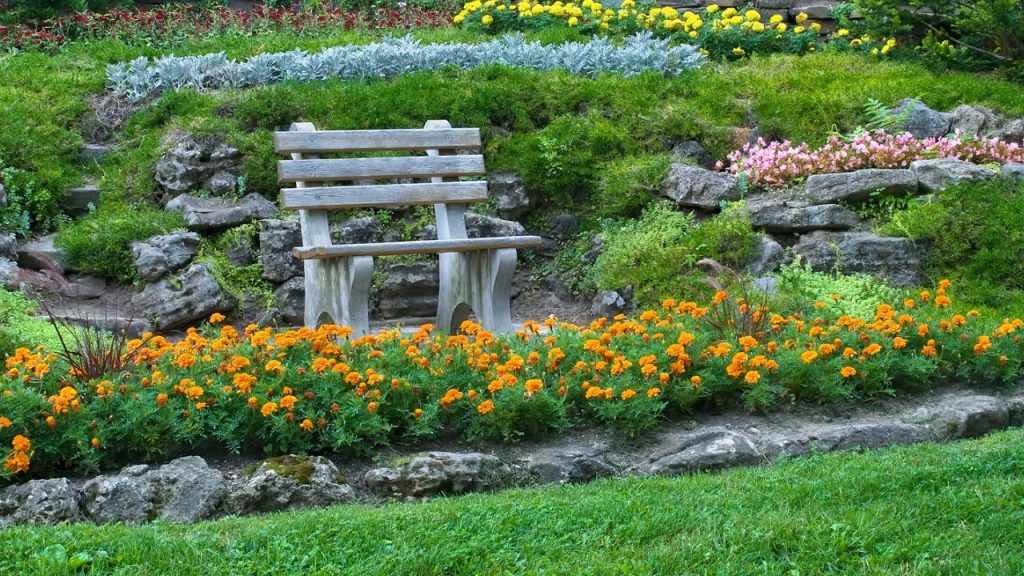
If you enjoy quirky items, you can create garden art and decorative pieces for your patio using fallen twigs. All it takes is a little imagination and creativity. Glue the pieces (or tie them, whichever one is convenient) in geometric shapes, hearts, stars, or even letters to personalize your space. You can leave them natural for a rustic look or up the ante by spray painting them.
14. Make a Mini Wildlife Brush Pile

Pile up fallen sticks in a quiet corner of your garden to create a habitat for small critters like frogs, toads, and hedgehogs. It’s low-maintenance, encourages biodiversity, and effectively utilizes wood that would otherwise be wasted.
15. Line the Bottom of Pots for Better Drainage
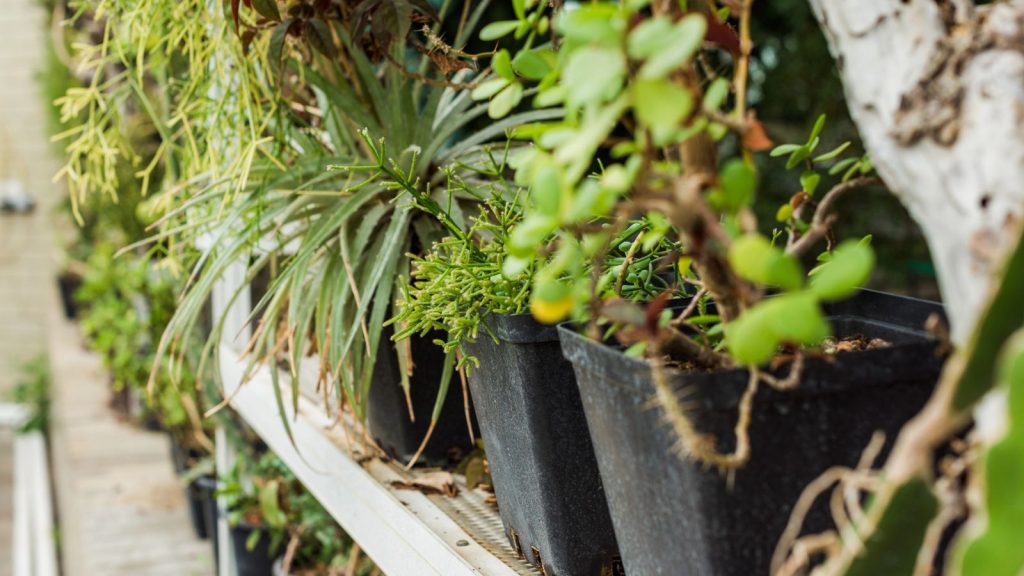
Before adding soil to your large planters, drop in a few sticks. They act like natural drainage material, keeping roots from sitting in soggy soil. It’s a clever alternative to rocks or gravel, and it also makes the pot a bit lighter.
16. Use as a Base for Hanging Decorations

Twigs are perfect for crafting seasonal garden décor such as Christmas wreaths. Bend flexible branches into circles for wreath bases, then layer on leaves, flowers, or herbs. Hang them on fences, doors, or gates for a festive, handmade feel. You can also create hanging mobiles that sway gently in the wind.
15 Gorgeous Fall Wreath Ideas That Are Easy to Make
17. Create Barriers to Keep Pets Out of Beds

If your dog loves to dig or neighborhood cats keep messing up your garden beds, sticks can help. Place them crisscross-style over freshly planted beds to create a light but effective barrier. The visual disruption discourages digging while still allowing sunlight and rain through.
16 Gorgeous Wildflowers Perfect for Low Maintenance Gardens
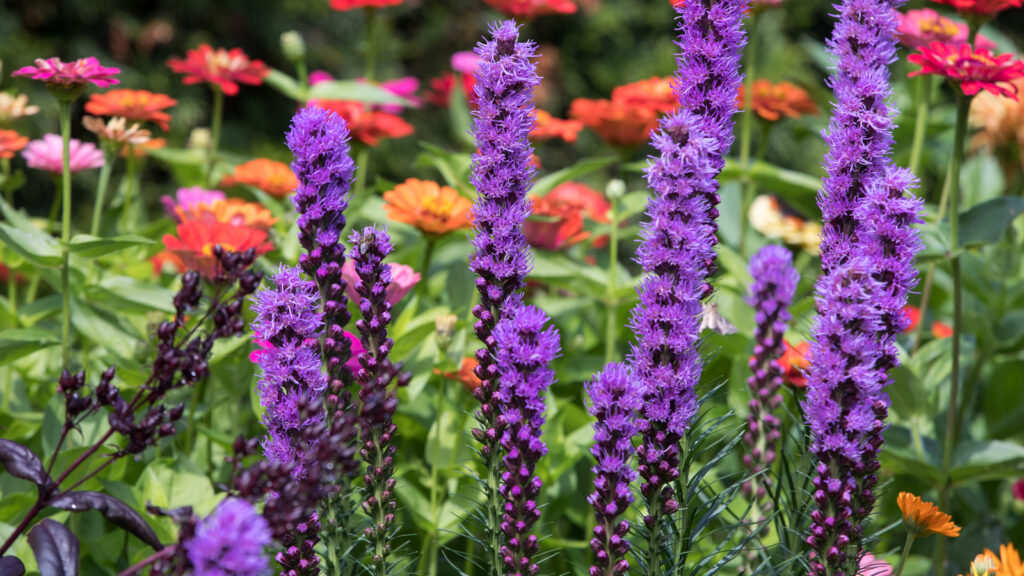
Starting a wildflower garden requires careful planning, especially if you want it to be low-maintenance. Choosing the right plants known for being easy to grow is crucial for success. Here are 16 gorgeous, easy-to-grow wildflowers perfect for creating a stunning, carefree garden.
16 Gorgeous Wildflowers Perfect for Low Maintenance Gardens
14 Pretty Flowering Shrubs and Bushes to Boost Curb Appeal
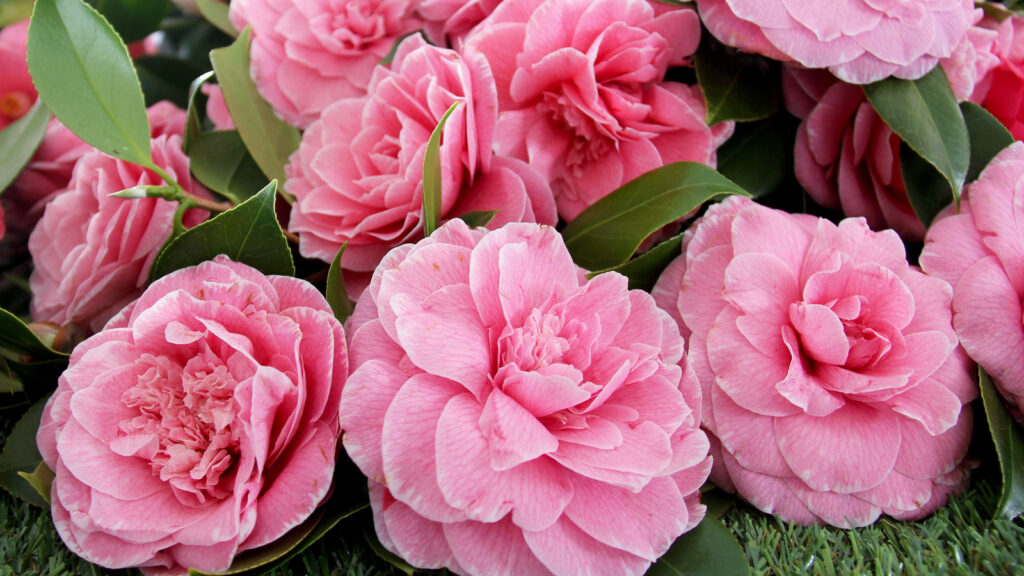
Choosing the right shrubs and bushes is important for both appearance and functionality in your landscape design. These plants help increase your home’s curb appeal by providing color and beauty from spring through fall. Here are 14 attractive flowering shrubs and bushes to enhance your curb appeal.