Not all plants grow tall and upright. Some prefer to take the horizontal route, spreading quietly on the ground, pots, or even water surfaces. These are called runner plants, or stolon plants, and they’re masters of expansion.
These plants produce horizontal stems (called stolons or runners) that extend from the main plant, rooting at intervals to form new plants. Let’s explore 15 types of runner plants you should add to your home or garden.
What defines a runner plant? What does “runner” mean in plants?
A runner plant is defined by its ability to produce long, horizontal stems—called runners or stolons. They grow above the ground and form new plants at their tips.
In plants, the term “runner” refers to this special type of stem that stretches out from the parent plant. As it grows, the runner develops small nodes that touch the soil and take root, eventually creating new, genetically identical plants. This is a form of asexual reproduction, allowing plants to spread quickly (at a very speedy growth rate) without seeds.
1. Strawberry (Fragaria × ananassa)

Strawberries are perhaps the most iconic runner plants. Their slender stolons form new roots at the nodes, producing new daughter plants. This natural propagation makes them excellent for ground cover in garden beds or containers.
Beyond their delicious fruit, their trifoliate leaves and white blossoms also add visual appeal. They thrive in USDA zones 5 to 9 in full sun with well-drained soil, and benefit from regular watering.
2. Spider Plant (Chlorophytum comosum)
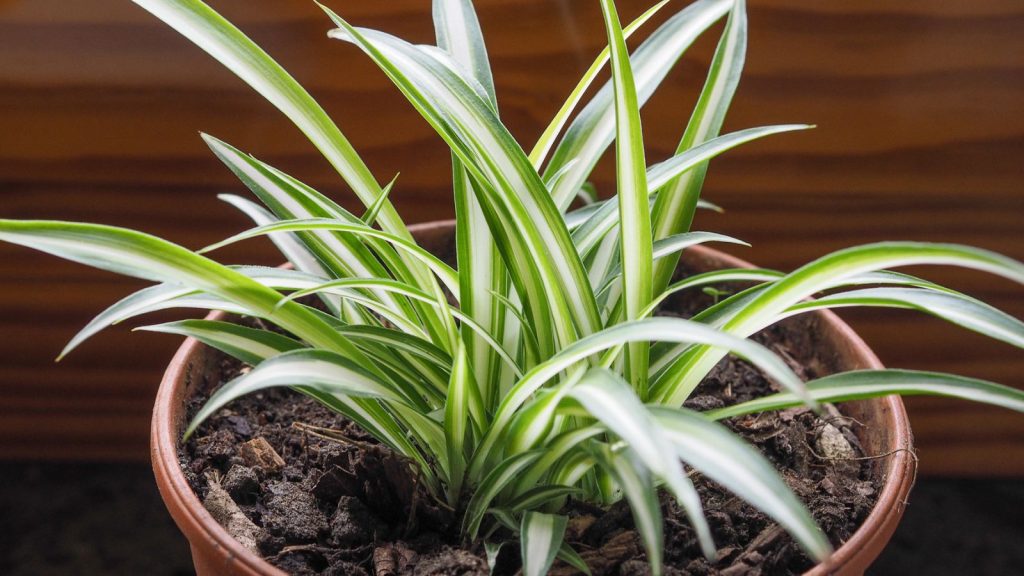
The spider plant is a favorite among indoor gardeners. It produces arching runners with baby plantlets at the ends that root easily, making propagation a walk in the park.
Its variegated green and white leaves play both decorative and air-purifying roles. It prefers bright, indirect light and well-draining soil. Regular watering keeps it healthy, but it’s also forgiving of occasional neglect.
3. Peppermint (Mentha × piperita)
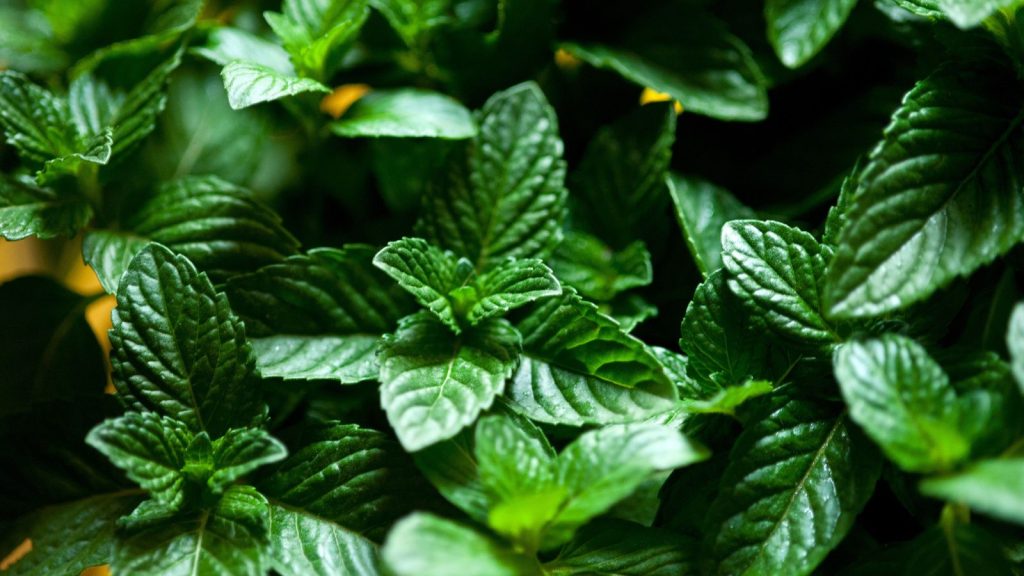
Peppermint is a vigorous groundcover plant that spreads rapidly via underground stolons. It has so many uses; for example, its aromatic leaves can be used to cook, and its purple flowers attract pollinators.
However, its aggressive nature means it can overtake garden beds if not contained. It’s best to grow peppermint in pots or designated areas to help manage its spread and prevent it from becoming invasive. It thrives in partial to full sun and moist, well-drained soil.
4. Bugleweed (Ajuga reptans)

Ajuga is a low-growing perennial that spreads via stolons, forming dense mats of foliage. Its glossy leaves come in various shades, including bronze and variegated forms, and it produces spikes of blue flowers in spring.
Ajuga is ideal for lighting up shady areas. It also helps to suppress weeds and adds color from the ground up. It prefers moist, well-drained soil and requires minimal maintenance once established.
5. Creeping Charlie (Glechoma hederacea)

Creeping Charlie, also known as ground ivy, spreads through stolons, creating a carpet of round, scalloped leaves. Its purple flowers add a splash of color when they bloom in spring.
Although it’s considered invasive in some regions, it can be an effective groundcover in controlled environments. It thrives in moist, shady areas and tolerates a wide range of soil types.
6. Blue Star Creeper (Isotoma fluviatilis)

Blue star creeper is a delicate groundcover that forms a dense mat through its stoloniferous growth. It’s perfect for filling gaps between stepping stones or as a lawn substitute in low-traffic areas. They produce tiny blue star-shaped flowers that bloom from spring to fall.
Blue Star Creeper prefers moist, well-drained soil and partial shade but can tolerate full sun with adequate moisture.
7. Creeping Buttercup (Ranunculus repens)

You’ll find creeping buttercup in damp areas, brightening up what would have been a soggy patch with its bright yellow flowers and glossy green leaves. It spreads aggressively via stolons, rooting at nodes to form new plants.
While it can be invasive, it helps stabilize soil in wet areas. It thrives in moist, heavy soils and full to partial sun.
8. Strawberry Begonia (Saxifraga stolonifera)

Like regular strawberries, the strawberry begonia plant produces red stolons that root to form new rosettes. But that’s where the similarities between the two plants end.
Strawberry begonia’s round, fuzzy leaves have silver veining, and it bears delicate white flowers in late spring. It’s ideal for hanging baskets or as a groundcover in shady areas. Strawberry begonia prefers moist, well-drained soil and indirect light.
9. Boston Fern (Nephrolepis exaltata)

Boston ferns produce long, arching fronds and stolons that can root to form new plants. They’re popular in hanging baskets, where their runners can cascade gracefully. They grow well in high humidity and indirect light.
You can place them in areas such as bathrooms or shaded patios. Mist and water them regularly to keep them happy.
10. Bermuda Grass (Cynodon dactylon)

Bermuda is a warm-season grass that spreads aggressively through stolons and rhizomes to form a dense turf. It’s drought-tolerant and recovers quickly from damage, making it ideal for lawns and sports fields.
Bermuda grass prefers full sun and well-drained soil. Regular mowing and fertilization keep it healthy and green.
11. Zoysia Grass (Zoysia matrella)

Zoysia is a slow-growing grass that spreads via stolons and rhizomes, creating a thick, carpet-like lawn. It’s heat and drought-tolerant, requiring less water than other grasses.
It prefers full sun but can also tolerate light shade. It takes a while to establish itself, but once it does, its dense growth resists weeds and foot traffic.
12. Ground Morning Glory (Convolvulus sabatius)

Ground morning glory is a low-growing, trailing plant that spreads along the soil or cascades from containers. Unlike traditional
Its slender stems form roots at the nodes, creating a dense groundcover. Its funnel-shaped, blue flowers bloom profusely throughout the summer. Ground
13. Creeping Jenny (Lysimachia nummularia)

Creeping Jenny is a low-growing perennial that spreads via stolons, forming a dense mat of round, chartreuse leaves.
It produces small yellow flowers in summer and can be used for groundcover or trailing over containers. Creeping Jenny prefers moist soil and partial shade but can tolerate full sun with adequate moisture.
14. Strawberry Clover (Trifolium fragiferum)

This clover species spreads through stolons to form a low-growing mat with trifoliate leaves and pinkish flower heads. It’s used for erosion control, as a cover crop, or in lawns. It fixes nitrogen in the soil, improving fertility. Strawberry clover thrives in moist, well-drained soils and full sun.
15. Water Hyacinth (Eichhornia crassipes)

Water hyacinth floats on the surface of ponds and water gardens, where its shiny, rounded leaves and showy
Water hyacinth prefers full sun and warm temperatures and requires regular thinning to prevent overgrowth.