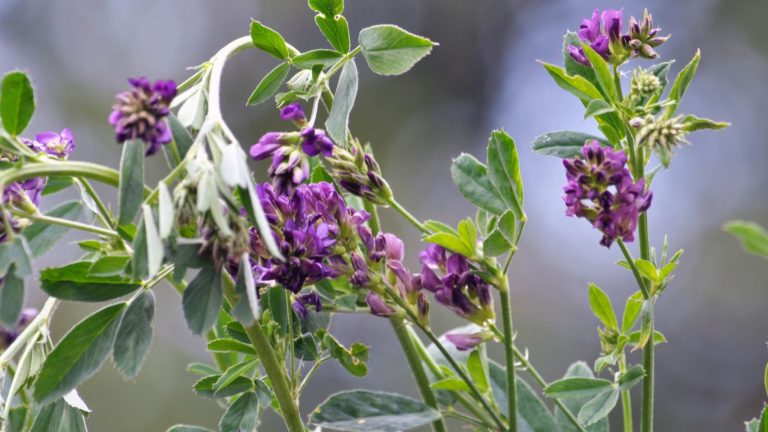
Flowers aren’t just for filling garden beds, they can also create natural borders that give your garden a finished look. Border plants add color, definition, and visual interest, and planting them in clusters can help tie your garden’s design together while softening the edges of paths and driveways.
With so many options to choose from, it helps to pick border plants that bloom for long periods and bring color and texture throughout the season. Here are 11 vibrant border plants to consider for your garden.
Astilbe
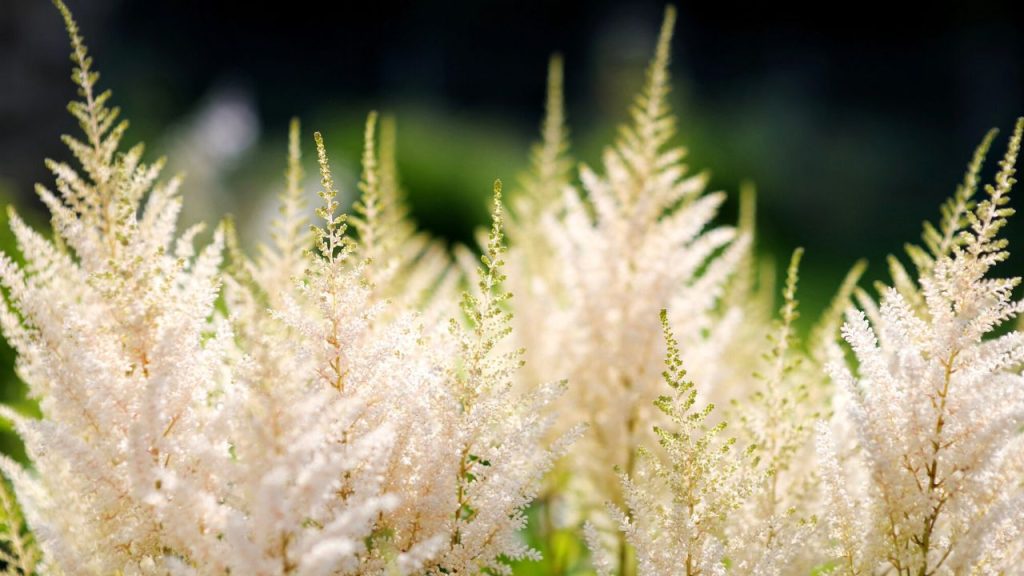
With feathery plumes of white flowers above fern-like foliage, white Astilbe adds a unique look to any garden. This plant does best in partial to full shade in moist, humus-rich soil. Keep soil consistently moist, especially during dry spells. Mulch to help retain moisture and keep roots cool.
Zinnias

Zinnias are a butterfly favorite, with their wide range of colors and easy-to-grow nature. They bloom all summer long, giving butterflies a constant source of nectar.
Lavender
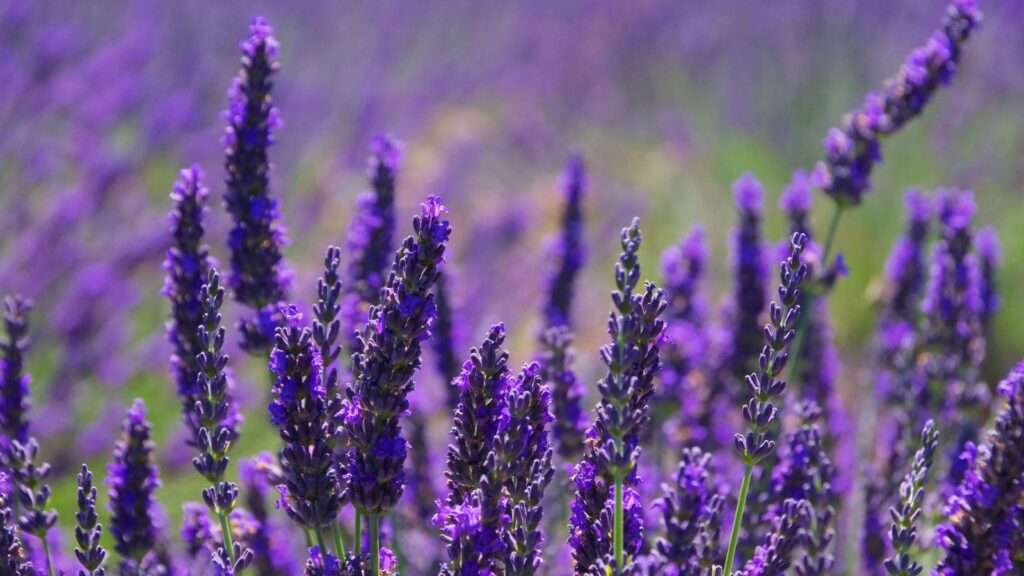
Lavender is excellent for creating aromatic borders and pathways. It is also used in dried floral arrangements and essential oils. It needs full sun and well-drained, slightly alkaline soil. Once established, water sparingly to prevent root rot, and prune annually for shape and increased blooms.
Marigold

A garden favorite, marigolds repel pests and attract beneficial insects, making them perfect for borders and companion planting in vegetable gardens. It is best to plant in full sun and well-drained soil. You must water regularly, but allow the soil to dry slightly between waterings. Remove old blooms to promote continuous flowering.
Salvia

Salvia adds vertical interest to borders and attracts pollinators like bees and butterflies with its colorful blooms. Requires full sun and well-draining soil. Water moderately, ensure mature plants do not remain soaked, and deadhead for continuous blooms.
Daylily

Daylilies are versatile and hardy. With their variety of colors and sizes, they are suitable for any border and also work well in larger plantings. They prefer slightly acidic, well-drained soil. Water regularly, especially in dry periods, and deadhead spent flowers.
Hosta

With its colorful foliage, Hosta is ideal for shaded borders or planting under taller shrubs. It offers shades of greens, yellows, and reds. Hosta requires shade and thrives in moist, rich soil. Keep soil consistently moist, protect it from pests, and ensure it isn’t exposed to too much sun.
Coneflower

Coneflowers provide a natural, wildflower look and attract wildlife like birds and butterflies, making them popular for garden borders. Coneflowers thrive in full sun to light shade. Once established, they are drought-tolerant. Deadhead old blooms to extend flowering and control self-seeding.
Sedum

Sedums have succulent leaves that offer year-round color and are drought-tolerant. Prefers full sun and well-drained, poor soil. It’s best to avoid overwatering to prevent root rot.
Azaleas

Azaleas dazzle with spring blooms in vivid shades, some varieties offering foliage that lasts all year. They enjoy slightly acidic, well-drained soil and can brighten both sunny and partially shaded spots.
Phlox

Phlox are perfect for traditional cottage garden looks, providing sweet-smelling blooms that attract pollinators. Requires full sun and fertile, well-drained soil. Keep soil moist during bloom and prune post-blooming to prevent mildew.
Plants to Grow Now for a Mosquito-Free Summer
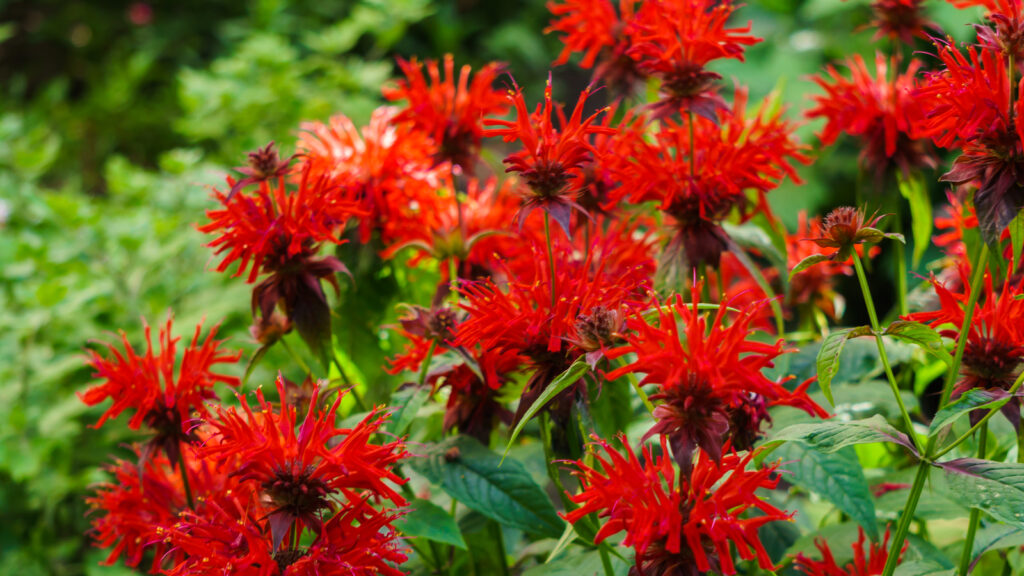
Here are some of the best plants that you can grow in your yard to help keep the mosquitoes at bay.
12 Plants to Grow Now for a Mosquito-Free Summer
How to Outsmart Gnats to Keep Them Away From Your Houseplants
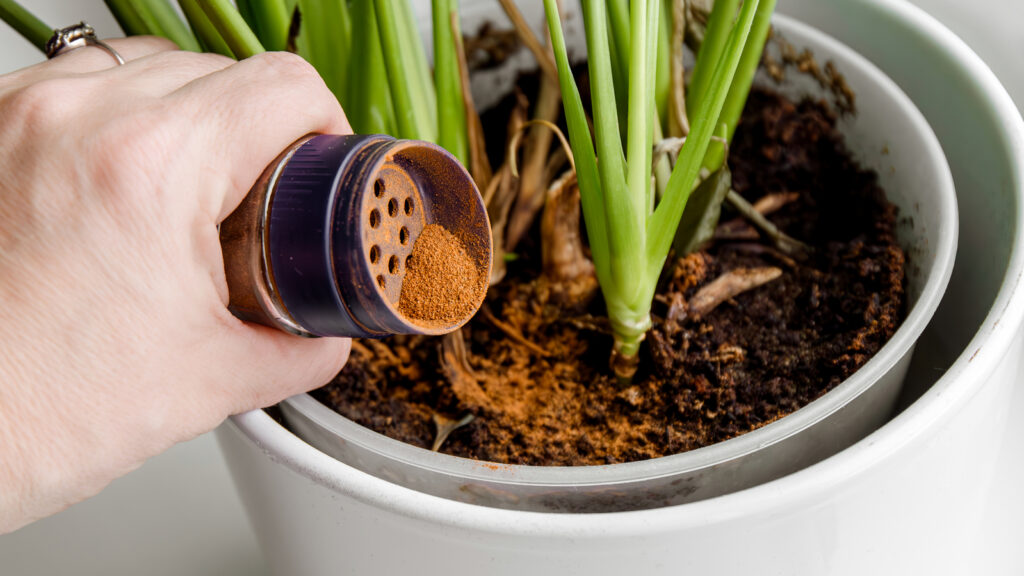
Gnats are more than just a minor annoyance; these tiny pests buzz around with a persistence that’s hard to ignore. Here are ten effective ways to keep gnats away from your house plants.
How to Outsmart Gnats to Keep Them Away From Your Houseplants
11 Reasons Banana Peels Are the Secret Ingredient Your Garden Needs

Banana peels are not just kitchen scraps but an excellent way to enrich your garden. Here are 11 reasons banana peels can be your garden’s secret ingredient.
11 Reasons Banana Peels Are the Secret Ingredient Your Garden Needs