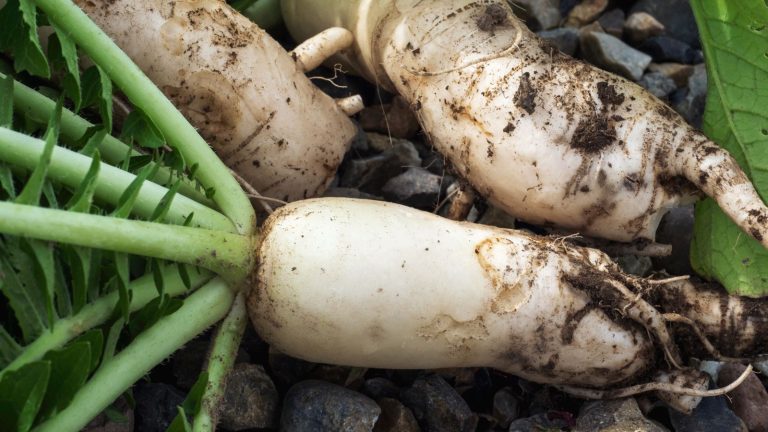
Asparagus is a wonderful, long-lived perennial that’s usually harvested in spring and left to fern out the rest of the year. Although asparagus is generally low-maintenance, especially once established, it also benefits from being planted near the right companions.
Below are 17 plants that help protect, support, or enhance the growth of asparagus without competing for nutrients or space.
1. Basil

Basil has a fresh, spicy fragrance that deters asparagus beetles and other insects. When tucked between asparagus crowns in spring, it acts as a natural pest shield, helping spears grow clean and strong.
In turn, basil benefits from the deep-rooted asparagus, which loosens the soil and brings nutrients upward. Plant basil every foot or so in full sun and rich, well-drained soil in USDA zones 4–11. Pinch the blooms to encourage leaf growth.
2. Tomatoes

Tomatoes and asparagus may seem like an odd pairing, but they work beautifully together. Tomatoes release solanine, a toxic compound that helps to suppress pests such as asparagus beetles. If you plant tomatoes in clusters near the edge of your garden bed, it forms a border for your asparagus patch and offers some extra pest protection.
Additionally, tomatoes break up the soil as they grow, and that makes the soil better for asparagus, too. Tomatoes grow well in USDA zones 3–10 in full sun and very fertile soil (tomatoes are voracious feeders and need a lot of nutrients). To maintain them and improve their growth, stake and rotate them each year.
3. Parsley
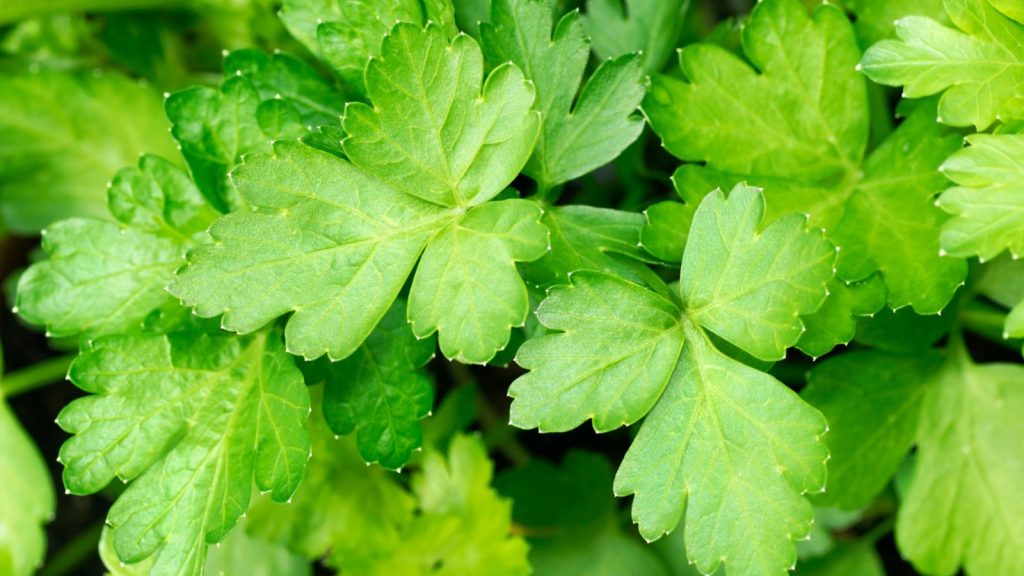
Parsley utilizes its fresh scent and lacy leaves to attract beneficial insects, such as hoverflies, which prey on aphids. When scattered along the asparagus rows, it boosts biological pest control without competing for space.
Parsley, in turn, grows well in the filtered shade that the asparagus ferns provide. Sow it every foot in moist, fertile soil in USDA zones 4–9. Trim the parsley regularly to keep it tidy.
4. Chives
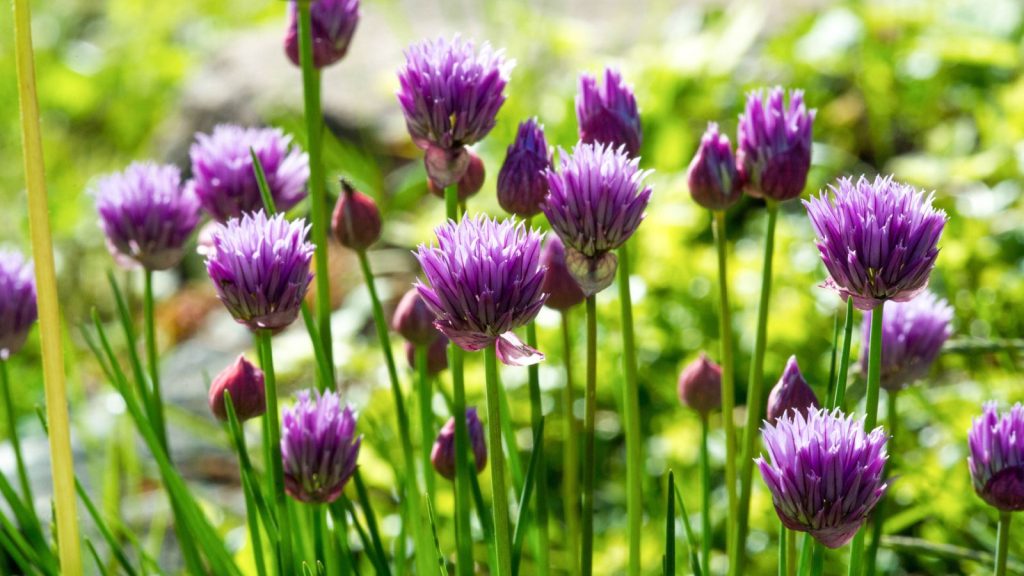
Chives have a mild onion scent that pest insects find offensive. When planted along the edges of your asparagus bed, they discourage pests like aphids and beetles from getting closer. Their delicate blossoms even attract pollinators and other beneficial insects.
Chives themselves thrive with the same sunlight and soil conditions as asparagus. Keep them in full sun and loose, well-drained soil in USDA zones 3–9. Trim the flowers regularly to control seeding.
5. Marigolds

Marigolds are gardening powerhouses when it comes to pest control. Their roots release natural nematicides, and their scent likely confuses insect pests. Planting French
Plant
6. Nasturtiums
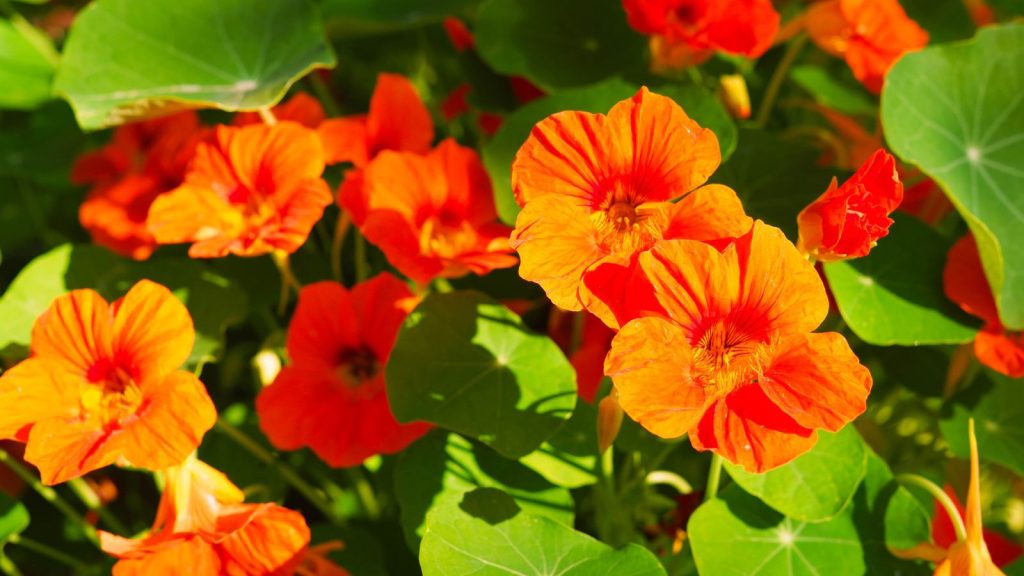
Nasturtiums are the classic trap crop for many aphid species. Their colorful flowers tempt pests and insects away from asparagus and other vegetables.
You can either scatter the
7. Lettuce

Lettuce is a living mulch that asparagus will enjoy growing next to. It crowds out weeds and shades the soil, helping conserve moisture. You can also harvest them early in spring while waiting for the asparagus ferns to spread.
Plant
8. Beets
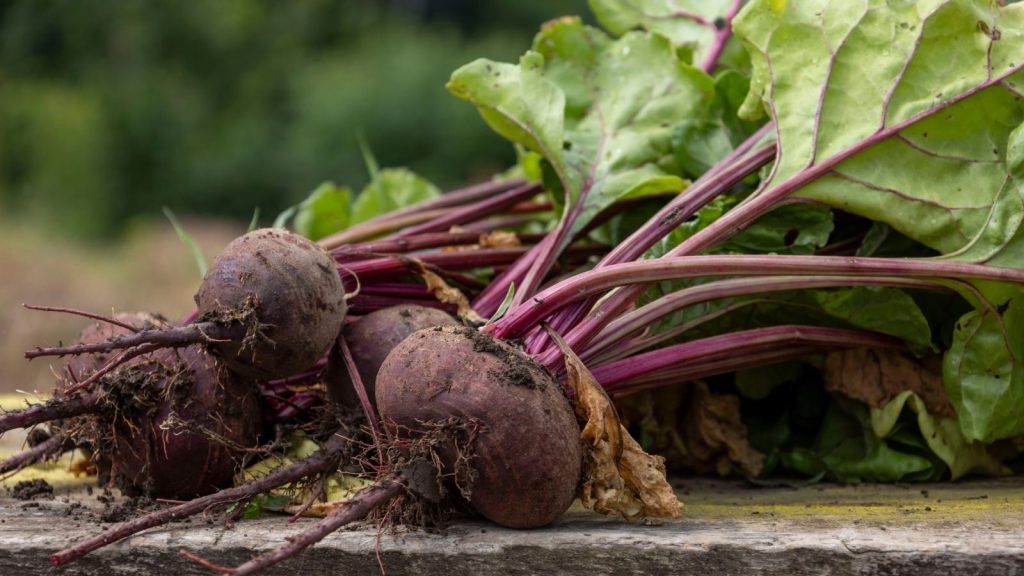
Beets help to improve soil health by sending down deep taproots that break up compacted layers, making it easier for water and nutrients to move through. Asparagus, with its own deep roots, enjoys these improved conditions and coexists well with
Plant
22 Brilliant Beet Recipes That Can’t Be Beat
9. Cilantro

That fresh cilantro smell does more than enhance the flavor of your food. It also draws in predatory insects like ladybugs and lacewings, which then feast on pests around asparagus.
Plant it along the garden bed and let it mature before bolting. Cilantro likes partial to full sun and light, fertile soil in USDA zones 2–11. Harvest often to keep it from bolting too early.
10. Spinach
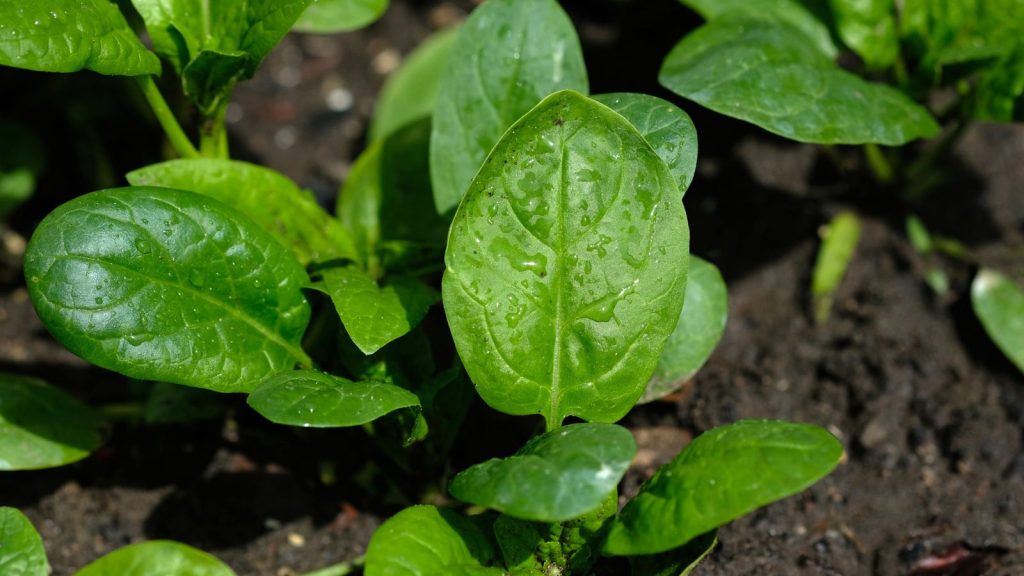
Spinach is another crop that matures early, before asparagus ferns fully unfurl. It acts as a dense groundcover that shades out weeds and locks in moisture. Both crops enjoy a harmonious, non-competitive relationship when planted together.
Broadcast
11. Oregano

Oregano releases a substance that deters pests and suppresses soil-borne fungi. When planted at the base of asparagus, it forms a fragrant living border that offers more than just its culinary perks.
Asparagus benefits from protection, and oregano thrives with companionship. Oregano prefers full sun and well-drained soil in USDA zones 4–9. Once it flowers, trim the plant lightly to keep it tidy.
12. Thyme
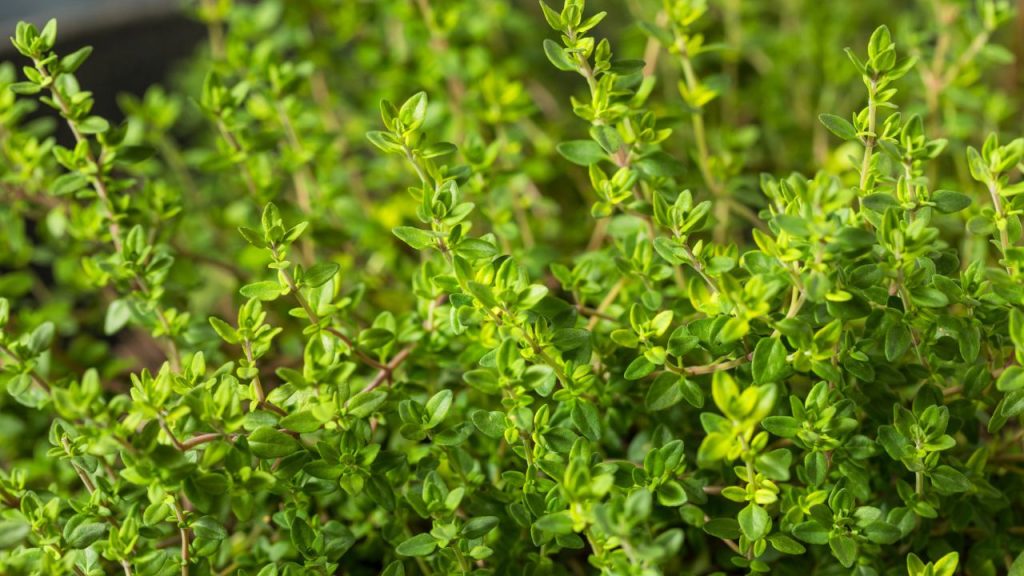
Thyme is a very useful herb in the kitchen. It’s also useful in the garden to keep the weed populations down. When planted near asparagus, it helps to repel pests such as asparagus beetles and onion flies with its scent.
In return, thyme gets a dry, sunny home with good airflow. Plant it in full sun and sandy soil in USDA zones 5–9.
13. Comfrey

Comfrey’s deep roots pull up minerals and make them more accessible for asparagus. It also attracts pollinators, and its leaves make excellent mulch. Plant a comfrey patch nearby and chop and drop its foliage over the asparagus for a nutrient boost.
The plants don’t compete for space and thrive under similar conditions. Comfrey grows well in USDA zones 4–9 with fertile, moist soil at the edge of your garden bed.
14. Horseradish
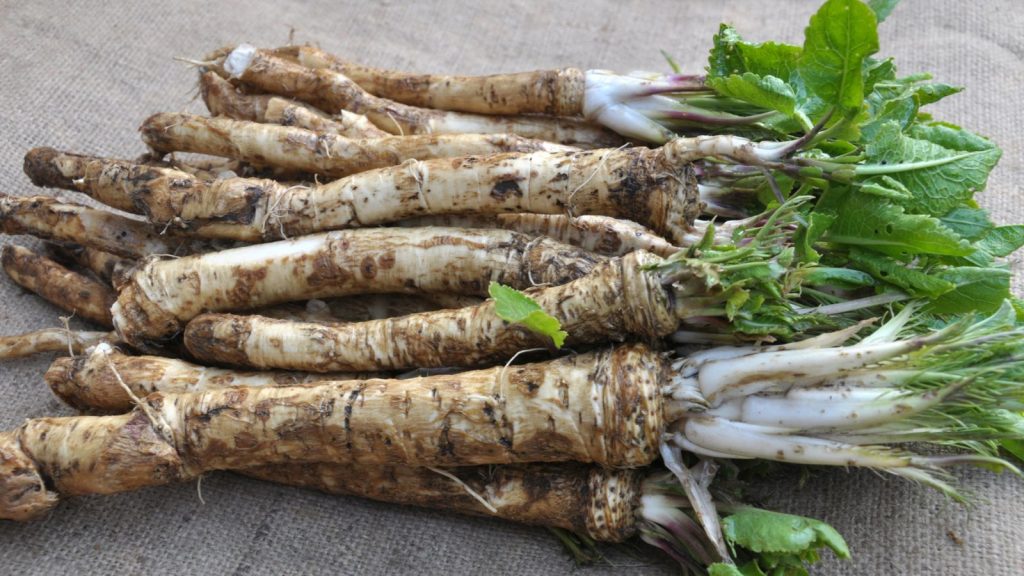
Horseradish deters many insects that bother asparagus with its sharp scent. Plant them as barriers at the end of each asparagus row so they can offer some protection, while giving the asparagus aerial roots space to grow.
Horseradish spreads aggressively, so keep it contained and divide every couple of years. It grows best in USDA zones 3–9 in full sun and rich soil.
15. Garlic

You can plant
Garlic grows best in USDA zones 3–8. Just make sure the area receives full sun and has well-drained soil. In spring, cut off the curly flower stalks (called scapes) to help the
16. Sage
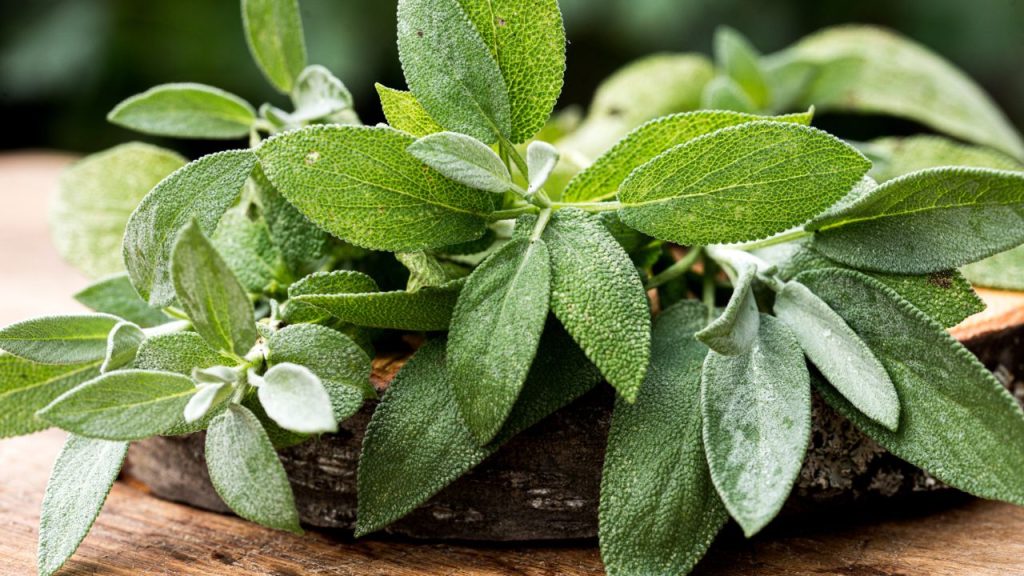
Sage’s silvery leaves are packed with oils that repel insects and mildly deter pathogens. Plant sage just outside your asparagus patch, and it’ll help repel beetles while keeping your garden smelling amazing. Sage thrives in full sun, dry soil in USDA zones 4–9.
17. Calendula (Pot Marigold )

Calendula is gentle and pretty, and draws aphids away from asparagus with its colorful flowers. It also invites hoverflies, whose larvae feed on aphid eggs. Plant it sporadically in early spring, and it’ll bloom through summer.
They work well together as companion plants because
16 Colorful Drought Tolerant Native Plants to Add to Your Yard

If you want to brighten your garden, consider these 16 native plants that will thrive and bring life to your yard.
16 Colorful Drought Tolerant Native Plants to Add to Your Yard
14 Pretty Flowering Shrubs and Bushes to Boost Curb Appeal
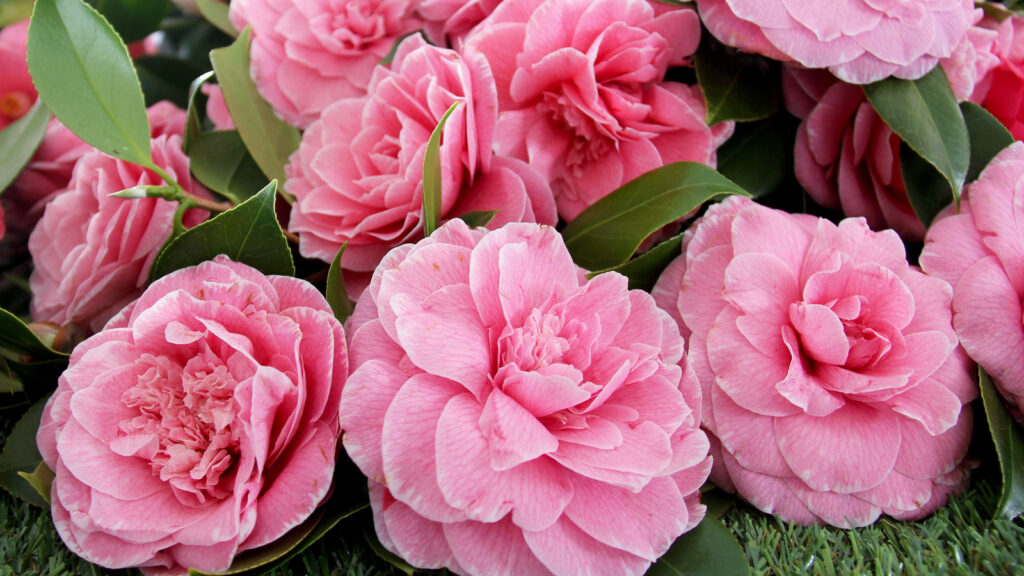
Choosing the right shrubs and bushes is important for both appearance and functionality in your landscape design. These plants help increase your home’s curb appeal by providing color and beauty from spring through fall. Here are 14 attractive flowering shrubs and bushes to enhance your curb appeal.
14 Pretty Flowering Shrubs and Bushes to Boost Curb Appeal
12 Natural Ways to Get Rid of Weeds in Your Garden

While we may tolerate certain weeds like dandelions, most gardeners aim to remove these undesired plants from their gardens—for good. To help you get rid of weeds in your garden, here are 12 natural methods to consider.