Many people are drawn to gardening but feel discouraged by the time and effort it takes to see results. Even seasoned gardeners who enjoy the rewards of growing their own crops might occasionally crave quicker payoffs. The solution for anyone who’s feeling impatient? Fast-growing annuals that complete their life cycle in under 30 days.
They’re easy to grow, require minimal stress and maintenance, and you start seeing your results almost immediately. What’s not to love about that? In this article, we’ll walk through 18 quick-growing annuals that are perfect for beginner gardeners, small spaces, or anyone who just doesn’t want to wait months for results.
1. Radishes

Radishes are the ultimate speed demons in the vegetable garden. Some varieties (like the Cherry Belle) can go from seed to harvest in just 21 to 35 days. They love cool weather, so plant them in early spring or fall, preferably in USDA zones 2 to 10.
Additionally, ensure they receive full sun, loose soil, and consistent watering. Once they mature, you can use them to spice up your salads, sandwiches, or just for pickling.
2. Garden Cress

Nothing screams instant gratification like garden cress. It begins to germinate 2 to 3 days after planting and is ready to snip in about 14 to 21 days. Garden cress is ideal for windowsill gardening or containers, and you may not even need soil — a damp paper towel is sometimes sufficient.
This annual herb makes a lovely garnish or a great addition to salads. It’s best grown in cool weather, preferably USDA zones 3 to 11, in partial shade to full sun.
3. Arugula

Arugula is a zesty, cool-season green that grows really fast. You can start harvesting baby
It thrives in USDA zones 3 to 11 and loves well-drained, fertile soil and partial sun.
4. Mustard Greens

Mustard greens sprout fast and can be ready to harvest in as little as 25 to 30 days. They’re hardy in USDA zones 2 to 11, do well in full sun to partial shade, and appreciate regular watering. People eat mustard greens in stir-fries, soups, or even raw when the leaves are young and tender.
5. Mizuna

Mizuna, also called water greens, spider mustard, or Japanese greens, is a milder cousin of mustard greens. Mizuna is a cold-hardy green that can survive some light frost, which makes it perfect for early spring or late summer sowing.
It grows quickly from seed and is hardy in USDA zones 4 to 9. You can start to cut baby greens in about 21 days, and full-sized leaves in under a month. You can eat mizuna in mixed salads or sautéed lightly with
6. Spinach
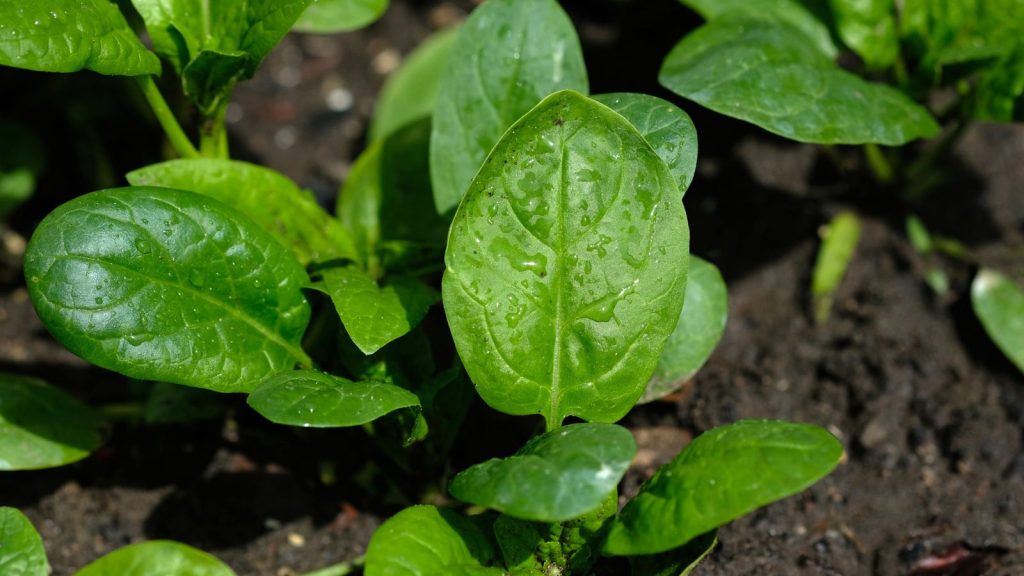
Spinach might take a little over 30 days if you wait for full-size leaves, but baby
It thrives in cooler temperatures, suitable for USDA zones 3 to 9, and with sufficient sun and water, you’ll have fresh greens ready in no time.
7. Baby Kale

Mature kale may take longer to harvest, but baby kale can be ready in just 25 days. The leaves are tender and less bitter than fully grown kale. It prefers cooler temps in USDA zones 3–10 and does best in well-drained, fertile soil with full sun. Use baby kale in salads, sautés, soups, or blended into a smoothie.
8. Bok Choy (Baby Varieties)
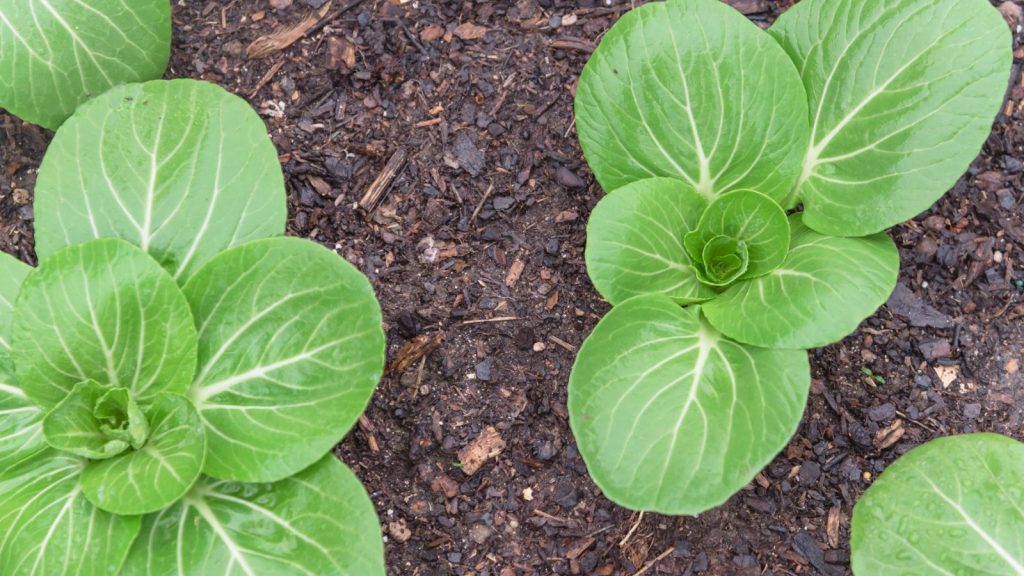
Some dwarf or baby bok choy varieties mature in 30 days or less. Bok choy is a cool-season crop that thrives in areas with milder winters and cooler summers.
Plant in early spring or fall in USDA zones 4-9, and ensure the soil remains moist. The crunchy stems and leaves are delicious in stir-fries or soups.
9. Turnip Greens

While turnip roots take longer to mature, the greens can be harvested in about 25 days. They’re tender, slightly peppery, and loaded with nutrients. Turnip greens thrive in full sun to partial shade, with steady watering and rich, well-draining soil.
10. Tatsoi

Tatsoi is a gorgeous leafy green with spoon-shaped leaves that form rosettes. Under the right growing conditions, baby leaves are ready in 20 days, and full maturity comes around day 30. It’s cold-hardy and thrives in USDA zones 4–10. Tatsoi adds a mustardy flavor to salads and other cooked dishes.
11. Dill

You won’t be able to harvest
12. Cilantro (Coriander)
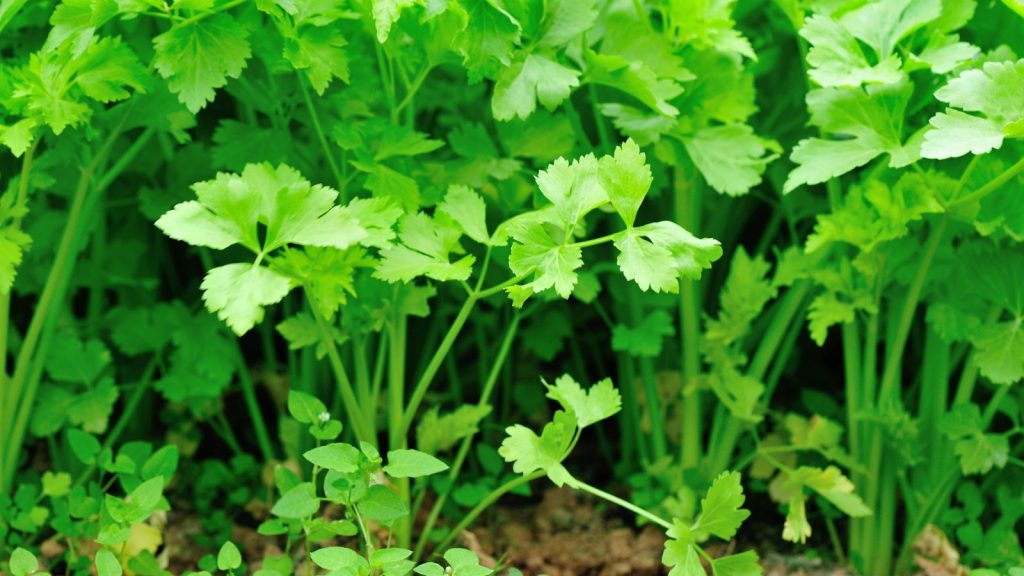
Cilantro can be finicky because it’s highly sensitive to heat and stress. However, when planted in the right conditions, it grows rapidly, and the leaves are ready for harvest in approximately 25 days.
Cilantro grows well in USDA zones 3 to 11, but it bolts easily in hot weather. Therefore, provide it with some afternoon shade in warmer zones. It’s perfect for tacos, salsa, or anything that needs a citrusy herb kick.
13. Fenugreek Sprouts

Fenugreek seeds are more commonly used in spice blends, but the leaves are also edible. Fenugreek sprouts are aromatic and used in a lot of cuisines, including Indian, Middle Eastern, and North African.
It grows quickly, and the young leaves are ready to harvest in about 25–30 days. It enjoys full sun, and while it tolerates a range of soils, well-drained and loamy is best. They also grow well in USDA zones 4 to 11.
14. Basil

Basil typically takes about 60–70 days to reach full maturity. But if you grow it as a microgreen, you can start harvesting the baby leaves in as little as 21–28 days.
Micro basil has a more intense, slightly sweeter taste than regular basil. It’s also more tender. It prefers warm weather and will grow as a perennial in USDA zones 9–11, and as an annual in all other zones. It also needs full sun and fertile soil. Great for garnishes, pesto, or infusing oils.
15. Zucchini
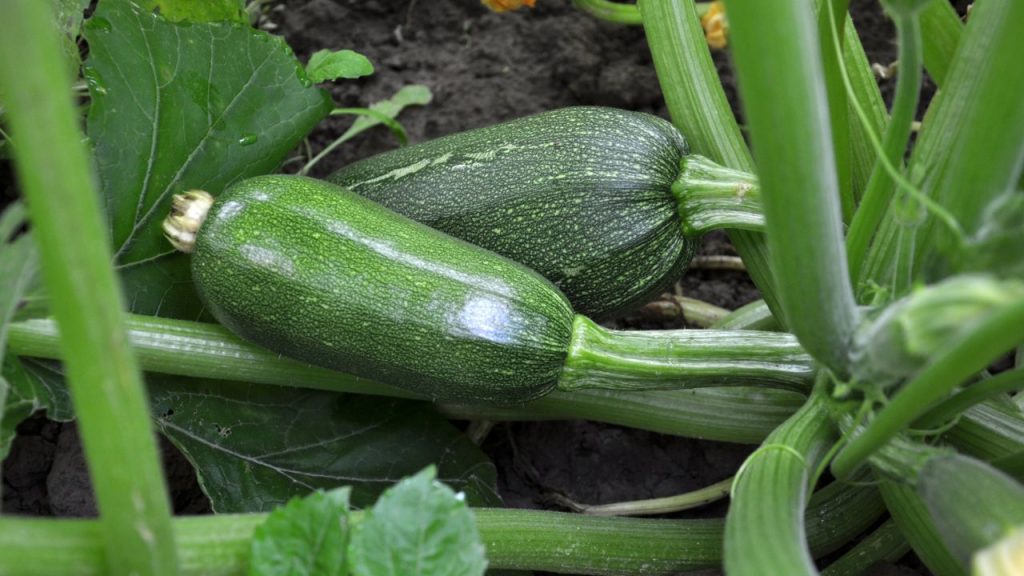
Zucchini takes about 50 to 60 days to grow from seed to fruit. But while you wait, you can harvest and eat the flowers.
Zucchini plants produce both male and female flowers on the same plant, but the male blossoms (found on long, thin stems without any fruit) appear first and can be harvested in under 30 days if the plant has enough sun and water. These edible flowers are a gourmet favorite, especially when stuffed or fried.
16. Chervil

Chervil is a close relative of parsley. However, this delicate herb smells and tastes mildly like anise. It’s ready for light harvesting within a month. Chervil is best grown in USDA zones 3 to 7, likes cooler temps, partial shade, and moist, well-drained soil. Enjoy it in egg dishes, herb butters, or classic French sauces.
20 Best Plants for Container Gardening

Container gardening can be as fulfilling as large-scale farming in growing and harvesting food. Whether planting in your backyard, on a balcony, patio, or urban homestead, here are some of the best plants for growing in containers.
20 Best Plants for Container Gardening
Build Your Dream Garden with These 16 Easy DIY Raised Beds

While pre-made raised beds can be expensive, building your own is a cost-effective alternative. With some basic materials and a bit of effort, you can construct your own raised beds at a fraction of the cost. Here are 16 DIY raised garden bed projects to help you get started.
Build Your Dream Garden with These 16 Easy DIY Raised Beds
11 Reasons Banana Peels Are the Secret Ingredient Your Garden Needs

Banana peels are not just kitchen scraps but an excellent way to enrich your garden. Here are 11 reasons banana peels can be your garden’s secret ingredient.
11 Reasons Banana Peels Are the Secret Ingredient Your Garden