
Weeds are like annoying guests who show up uninvited and refuse to leave. You’d think that with all the effort people put into getting rid of them, they’d finally get the memo. But just as you clear out one batch, another set pops up. Sometimes, it’s due to poor garden habits, and other times, it’s nature doing its thing.
Whatever the cause, the key is to act fast. Weeds ruin your garden’s aesthetics by stealing nutrients, crowding your plants, and affecting their blooms. Here are 16 ways to prevent weed growth and keep your garden healthy and beautiful.
1. Mulching

Exposed soil makes it easier for weed seeds to settle, get sunlight, and sprout. Adding mulch creates a protective barrier that blocks sunlight, making it harder for weeds to grow. Use organic mulch like bark, straw, grass clippings, or dried leaves. You can even reuse pulled weeds as mulch, but only if they haven’t seeded yet.
Apply 2–3 inches around plants, keeping it from touching stems. As a bonus, mulch retains moisture, keeps soil cool, and breaks down to improve soil health.
2. Aerate the Soil

One of the ways to keep weeds out of flower beds is by aerating the soil. Compacted soil stifles the way your plant roots grow and allows weeds to thrive.
Aerating loosens the ground, improving air and water circulation while helping plants grow stronger roots. With healthier roots, your plants are better equipped to compete with weeds.
3. Use Herbicides

Most people are understandably skeptical about using herbicides. However, they can be effective, especially when used responsibly. Spot-treat weeds with a targeted formula, e.g, glyphosate (works well for most broadleaf weeds).
To protect your flowers, always follow label instructions and avoid spraying on windy days. If you prefer organic options, look for herbicides with vinegar-based or citrus-based formulas.
4. Grow Companion Plants

Some companion plants can grow thick enough to crowd out weeds naturally. These fill gaps in your flower bed, limiting the space and sunlight that weeds need.
Plus, companion plants often attract pollinators and add texture or seasonal color to your garden. Try growing lamb’s ear, creeping thyme, creeping boobialla, or lenten rose as companion plants.
5. Hand Weeding

Hand weeding remains one of the most direct and effective methods to control weed growth. It works best when you catch the weeds early, before they flower or seed.
Before pulling, moisten the soil to loosen it up and make sure to get the roots. Keeping up a weekly routine will greatly reduce the chances of weeds taking over your garden bed.
6. Water Your Plants Better
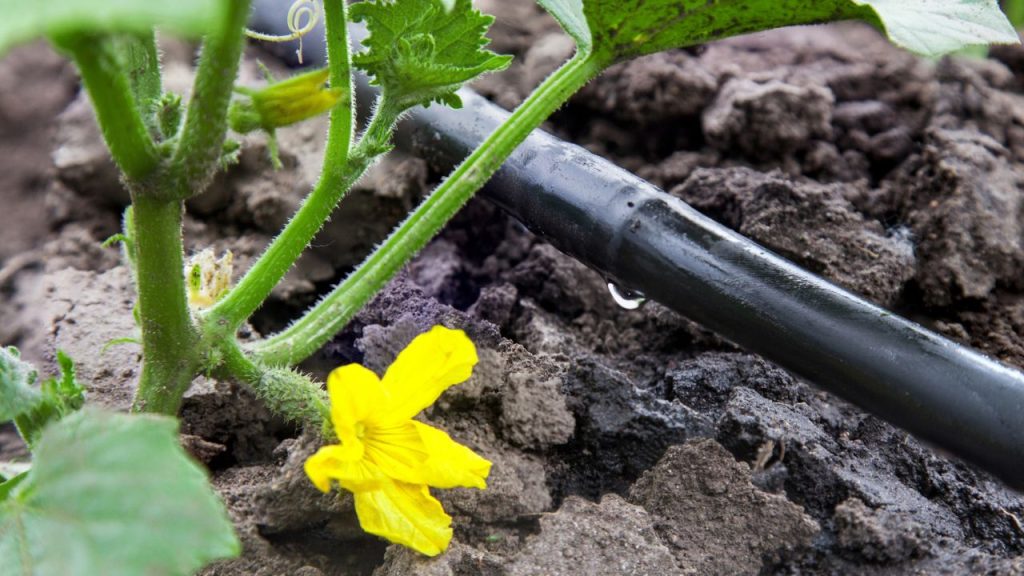
The way you water your flowers may be contributing to weed growth. For instance, if you water your entire garden surface, you also nourish weeds. Instead, target your plants at the base using drip irrigation or soaker hoses. This reduces excess water on exposed soil, which discourages weed growth. Deep, focused watering also helps your flowers grow stronger root systems.
7. Use Landscape Fabric Barrier

Placing a breathable fabric barrier over the soil helps to prevent weed seeds from germinating. First, clear and level the bed, lay the fabric flat, and secure it. Then, cut small holes where you want to plant. The fabric allows water and air while blocking sunlight from reaching weed seeds below.
8. Raised Flower Beds

If, after trying everything, you still struggle with keeping weeds out of your garden bed, then try raised garden beds. Raising your beds adds a physical barrier that keeps out creeping weeds and gives you better soil control.
Use clean soil free of weed seeds and line the bottom with cardboard or weed cloth. Raised beds also drain better and make garden maintenance easier on your back.
9. Plant Closely

Growing your flowers close to each other reduces the chance of weed growth. Densely spaced flowers reduce open ground, blocking weeds from sunlight and space. For best results, choose plants that can grow close together without competing with each other.
10. Visit Your Garden Daily

Make it a habit to check in on your garden daily, as it helps you spot new weed growth before it spreads. Pull small weeds on sight and keep an eye on high-risk spots like edges or bare patches. This habit also helps you catch pests or plant stress early.
11. Edge your Flower Bed
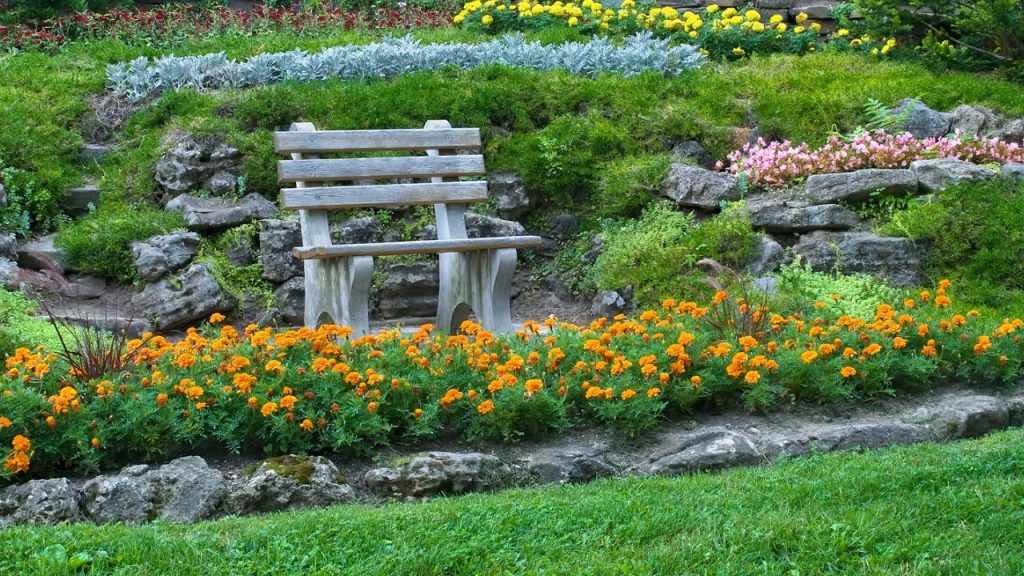
Edging helps to create a physical boundary between your garden and the surrounding lawn or wild patches. Use stone, metal, or plastic edging, or dig a clean edge with a spade. It keeps grass and creeping weeds from invading and gives your beds a tidy look.
12. Prioritize Nutrition
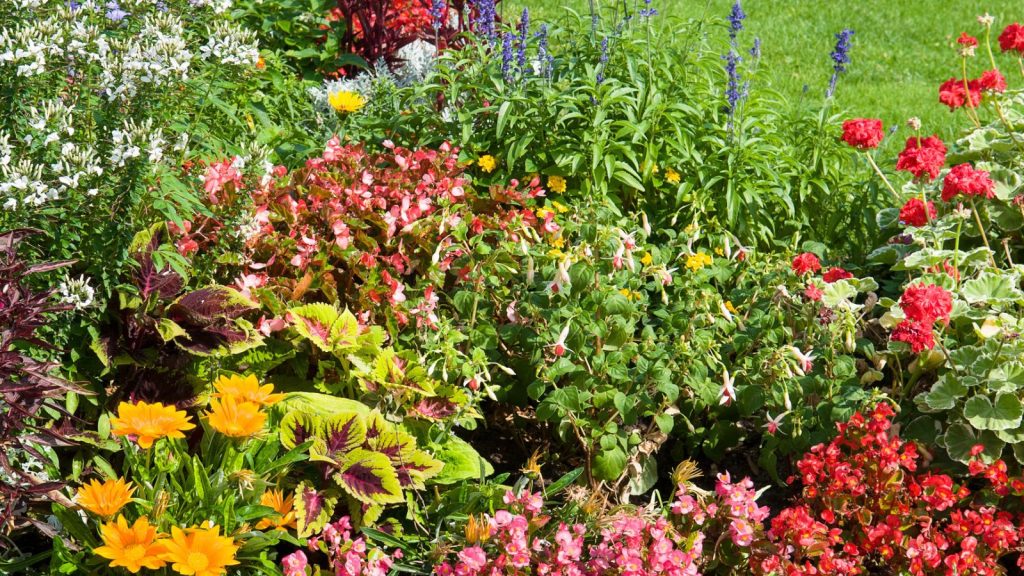
Healthy, well-fed flowers grow stronger and outcompete weeds for nutrients and space. Apply compost or a balanced fertilizer during the growing season to ensure they have access to all the best nutrients. While feeding alone won’t prevent weeds, healthy plants are more resilient and better able to hold their ground.
13. Avoid Over-Tilling

Tilling may seem like a good idea to remove all the weeds at once, but it can also bring dormant weed seeds to the surface, giving them light and air to grow. If you have to till, only loosen the soil when needed, like when planting or amending. Less disturbance means fewer chances for weeds to pop up.
14. Buy Quality Manure and Compost
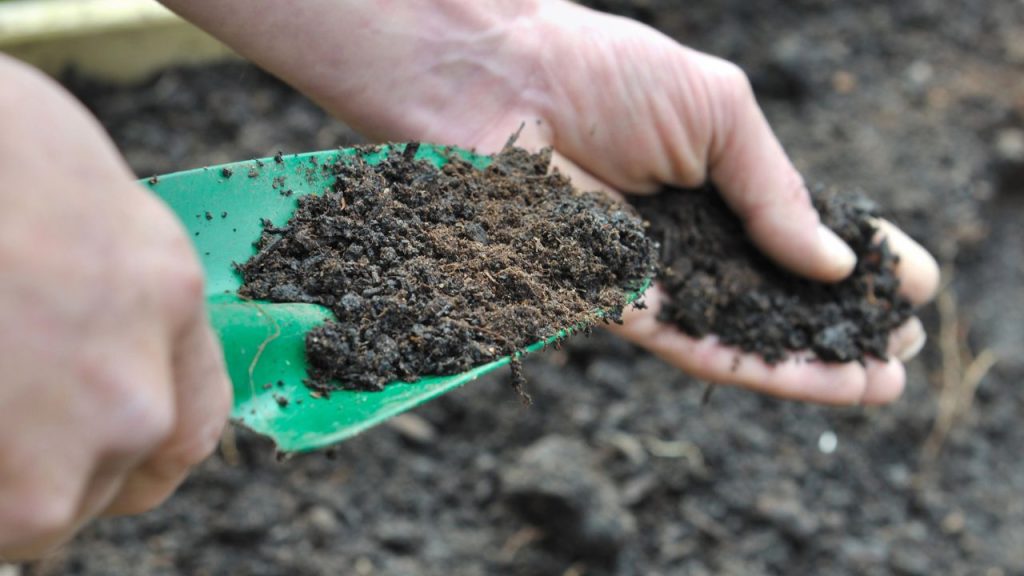
In many cases, store-bought compost or manure may be contaminated with weed seeds and can introduce a new problem into your garden. Always buy from a trusted source, or better yet, make your own.
Also, ensure the compost is fully decomposed or sterilized before applying. This feeds your garden while keeping unwanted weed growth out.
15. Use Natural Suppressants

Natural weed suppressants are a great alternative if you’re skeptical about herbicides. DIY remedies made with vinegar, dish soap, and salt can be effective on driveways or hard surfaces, but use sparingly in flower beds, as they can harm your plants in high concentrations. Boiling water also works well for cracks or isolated weeds.
16. Weed Flowerheads
If weeds slip through all your preventative measures and start flowering, remove their flower heads immediately. Flowering leads to seeding, and once that happens, it’s game over for your flower bed. Once you snip off the weed flowers, dispose of them and don’t compost them. This prevents the seeds from spreading around your garden.
14 Pretty Flowering Shrubs and Bushes to Boost Curb Appeal
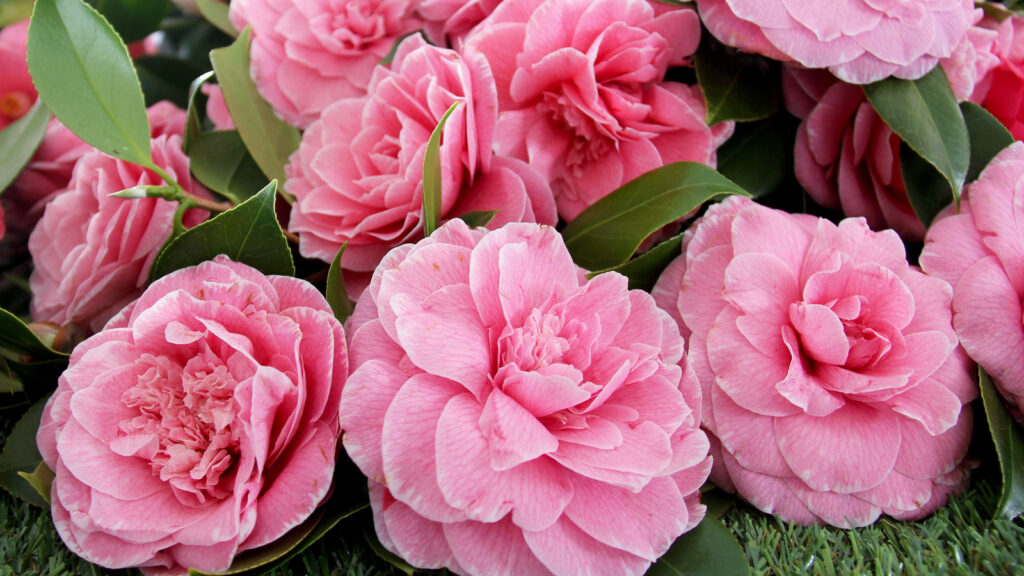
Choosing the right shrubs and bushes is important for both appearance and functionality in your landscape design. These plants help increase your home’s curb appeal by providing color and beauty from spring through fall. Here are 14 attractive flowering shrubs and bushes to enhance your curb appeal.
14 Pretty Flowering Shrubs and Bushes to Boost Curb Appeal
38 Perennial Flowers That Deliver Gorgeous Blooms Every Blooming Season

Perennial flowers are a great way to add lasting color to your garden, returning year after year to keep it looking vibrant. If you’re looking to brighten your garden, check out these 38 colorful options that thrive and come back every season.
38 Perennial Flowers That Deliver Gorgeous Blooms
8 Best Raised Garden Beds (What to Consider Before Buying)
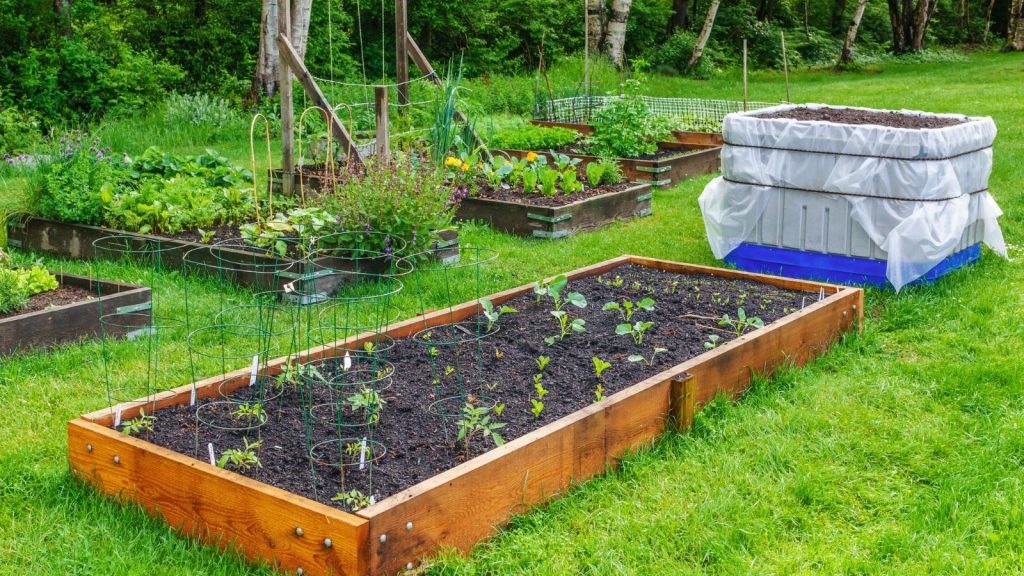
But with so many options available, how do you know what type of garden bed will meet your needs? To set you on the right path, check out our guide to the best garden beds to buy!