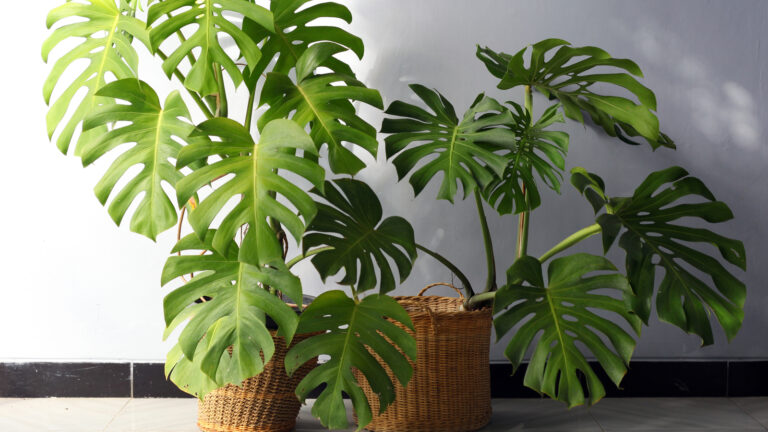
Not every plant that looks beautiful or seems like a good idea turns out to be a wise addition to the garden. Some plants spread aggressively, choke out other vegetation, or become an ongoing maintenance nightmare.
What starts as an innocent ground cover, a fast-growing shrub, or a charming ornamental can quickly spiral out of control, taking over your yard and making gardening a constant battle.
Even if you think you can manage an invasive plant, the reality is that some species are nearly impossible to contain. They can spread by runners, self-seed rapidly, or grow back from the smallest root fragments, making removal a years-long struggle. And if you’re using your land to grow food, every inch of space matters—dealing with an unwanted plant can take away valuable time and resources. Before adding anything new to your yard, it’s worth knowing which plants gardeners regret planting the most.
English Ivy

English Ivy is invasive and can quickly take over large areas, suffocating other plants. It climbs on structures, causing damage to walls and roofs. The vines can cover windows and block sunlight.
Kudzu

Often called “the vine that ate the South,” kudzu grows rapidly, overtaking trees, buildings, and anything in its path. It can disrupt ecosystems by smothering native plants. However, you can eat kudzu if you’re hungry.
Bamboo

While bamboo looks attractive, it spreads uncontrollably through underground rhizomes, invading neighboring yards and requiring constant maintenance to keep it in check.
Japanese Knotweed
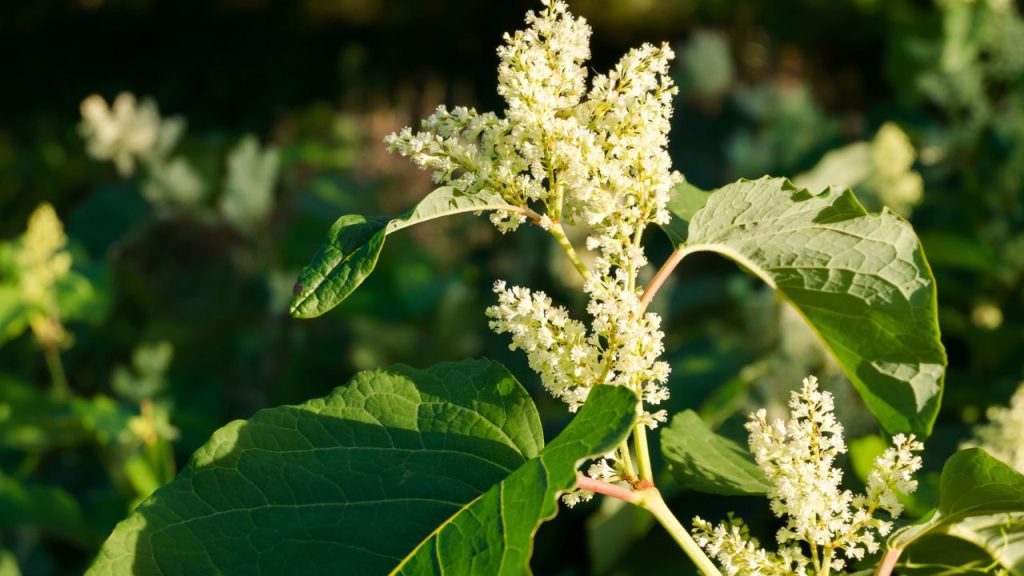
This plant grows aggressively and can cause significant damage to foundations, roads, and flood defenses. Due to its deep root system, it’s notoriously difficult to remove. It takes years of digging and removing it to get rid of it.
Mint
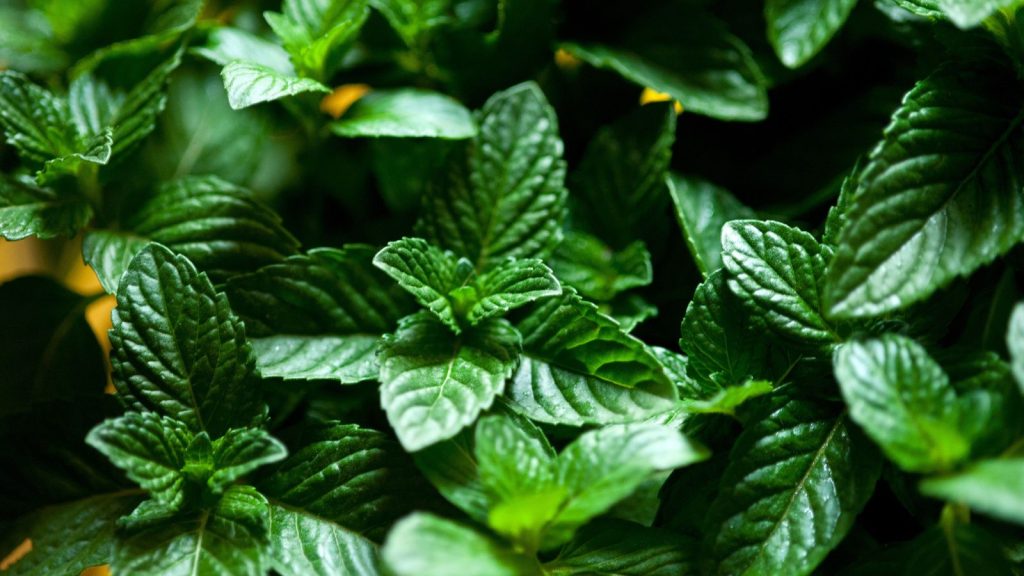
Mint is a delicious herb, but its invasive root system makes it hard to contain. It spreads quickly and can easily overrun other plants in the garden. Mint has plenty of benefits, so you should grow it, but it’s best in a pot where you can keep it contained.
Purple Loosestrife

Purple loosestrife grows densely and displaces native wetland plants, reducing biodiversity and disrupting local ecosystems, especially in wetland areas. It grows in northern areas that get a lot of rain.
Goutweed

Goutweed is highly invasive and spreads rapidly via rhizomes. Once it takes root in the soil, it’s difficult to eradicate, and it can take over garden spaces. This is another plant that likes wet, shady areas in the northern parts of the country.
Tree of Heaven

Known for its fast growth and ability to spread by seeds and root suckers, this tree is invasive and can damage sidewalks, foundations, and sewer systems. It can be an ornamental tree if managed well.
Johnson Grass
This grass spreads aggressively through rhizomes and seeds, often overtaking other plants. It’s tough to control, especially in gardens and farmland. It thrives in disturbed soil. Along highways, riverbanks, and grows in just about any climate.
Chameleon Plant

Known for its strong scent, chameleon plant is incredibly invasive, spreading by runners and seeds. It can take over garden beds and is hard to remove. Some people plant it to be a ground cover, but it has a tendency to get wild.
Honeysuckle

While beautiful, invasive honeysuckles can overtake native vegetation. They outcompete other plants for space and nutrients, disrupting local ecosystems.
Common Buckthorn

Buckthorn is an aggressive, non-native shrub that outcompetes native plants, creates dense thickets, and alters soil chemistry, making it difficult for native species to thrive. It’s best to avoid this one at all costs.
Morning Glory

Known for its attractive flowers, the Morning Glory is an extremely fast-growing and invasive plant. It can quickly cover fences, trees, and other plants, often choking them out. A single seed can produce a plant that covers a huge section of the fence.
Creeping Charlie

Creeping Charlie spreads quickly and can easily take over a lawn or garden. It’s difficult to eradicate and often crowds out other plants.
Lantana

Lantana is a popular ornamental plant, but it is invasive in some areas. It spreads quickly, disrupting native ecosystems and outcompeting local plant species.