
Planting trees can be one of the most rewarding parts of creating a garden, there’s something special about seeing them grow over the years. But not every tree is right for every yard. Choosing the wrong species or planting in the wrong spot can lead to headaches down the line.
Some trees grow too fast and can damage your property, while tall evergreens may block sunlight and crowd out other plants. Certain species spread aggressively or have root systems that interfere with foundations, pipes, or walkways.
Before adding a new tree, check out our list of 12 trees you should avoid in your yard. It’ll help you pick trees that add beauty without causing problems.
1. Black Walnut (Juglans nigra)
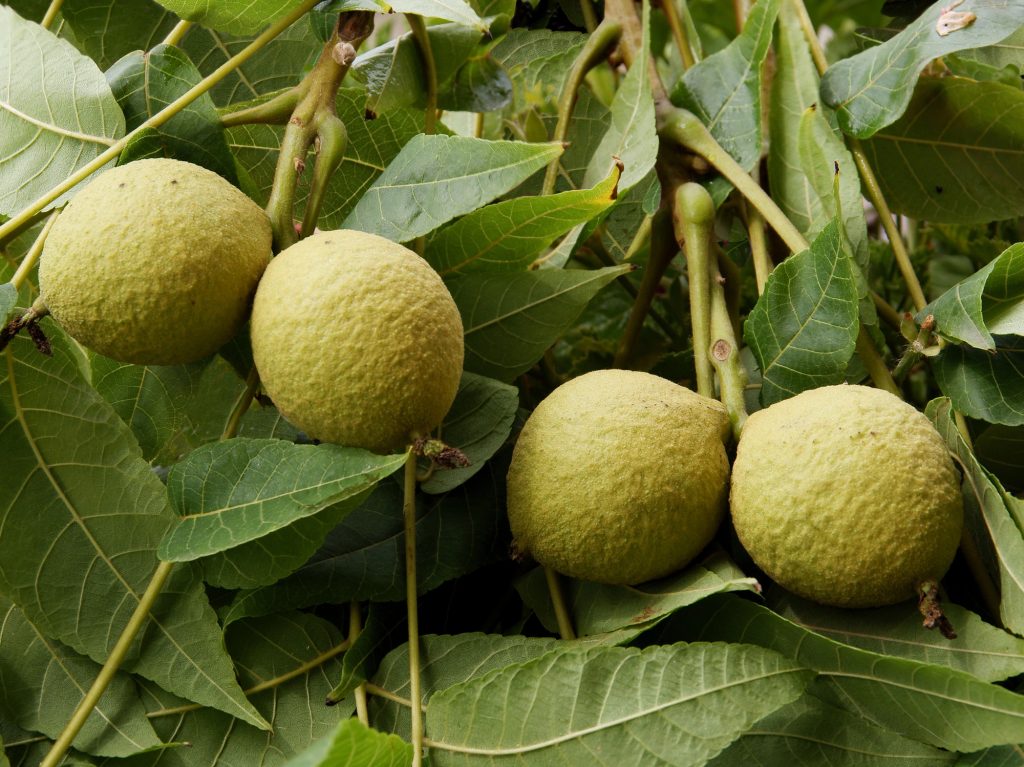
Black walnuts are magnificent trees that can be a great addition to a large yard or garden. Unfortunately, they produce a substance called juglone, which is toxic to a vast number of other plant species. To plant this tree, careful planning is required to find plants and trees that will happily grow near it.
15 Plants That Get Along Great with Black Walnuts
2. Mulberry (Morus spp.)

Mulberry trees grow rapidly, quickly crowding out the surrounding flora in your yard. They also produce an abundance of messy fruits that stain driveways and cars. Some types of mulberry are classed as invasive in certain states, and attempts are being made to eradicate them.
3. Silver Maple (Acer saccharinum)

Silver maples, also known as sugar maples, are fast-growing trees with aggressive root systems that can damage sidewalks, foundations, and septic systems. Additionally, their wood is brittle and prone to breaking during storms, posing a risk to property.
4. Bradford Pear (Pyrus calleryana)

Bradford pear trees are notorious for their unpleasant-smelling fruits – not what you want in your lovely garden or yard! They also have a weak branch structure that splits and breaks during storms.
5. Tree of Heaven (Ailanthus altissima)

Despite the celestial name, the Tree of Heaven should definitely be avoided in your backyard! It is highly invasive, producing numerous seeds that spread rapidly, and is difficult to remove once established.
6. Siberian Elm (Ulmus pumila)

Siberian elm trees are highly invasive, growing quickly and out-competing all other plants in your yard. Reaching heights of up to 60 feet, the weak wood breaks easily and can cause property damage.
7. Norway Maple (Acer platanoides)

Norway maple trees have dense canopies that block sunlight, inhibiting the growth of other plants beneath them. These invasive trees were often planted in urban areas but have spread into woodlands, pushing out local tree species.
8. Eucalyptus (Eucalyptus spp.)

Eucalyptus trees grow incredibly quickly, up to 6-8 feet per year. They are tough to eradicate once established and their highly flammable leaves create a high fire risk.
9. Willow (Salix spp.)

Willows are beautiful trees that look magnificent in larger gardens and forests. However, they need a lot of water to grow and, if planted near properties, they can damage pipes, septic systems, and foundations.
10. Poplar (Populus spp.)

Poplar trees will grow up to 8 feet per year, quickly reaching heights of 50-100 feet. Their aggressive root systems can cause significant damage to sidewalks, driveways, and plumbing systems.
11. Black Locust (Robinia pseudoacacia)

Black locust trees are highly invasive, spreading through root suckers and seeds. Once established they are difficult to remove due to their dense, thorny growth. The bark to humans.
12. Ginkgo (Ginkgo biloba)

If you are planning on growing a ginkgo tree, make sure to plant a male cultivar. Female ginkgo trees produce foul-smelling fruits that create a horrible mess in your yard. Bear in mind that even male ginkgo trees can reach up to 80 feet tall, so this tree needs plenty of room.
12 Plants to Grow Alongside Your Blueberry Bushes to Keep Them Happy

Planting the right companion plants near blueberry bushes can help to ensure successful fruiting. Here are some plants that you should grow alongside blueberry bushes to help them thrive.
12 Plants to Grow Alongside Your Blueberry Bushes to Keep Them Happy
28 Budget-Friendly Front Yard Ideas for Stunning Curb Appeal

Improving your home’s curb appeal not only presents well but can also boost your home’s value. Here are 28 to give your front yard the attention it deserves and transform it into a beautiful and inviting space you can be proud of.
28 Budget-Friendly Front Yard Ideas for Stunning Curb Appeal
19 Stunning Red Flowers to Add Bold Color to Your Garden

Adding red flowers to your garden introduces vibrant pops of color, creating a warm and lively atmosphere. Here’s a list of 19 varieties to brighten your garden, bringing in the perfect touch of spring and summer cheer.