Preparing for emergencies is about far more than filling a pantry with canned goods and bottled water. Food and water are the foundation, but many everyday supplies become just as valuable during a long power outage, severe weather, or any situation where stores are closed and help is limited.
The goal is to have the tools and materials needed to stay safe, care for your family, make repairs, and handle daily tasks without relying on outside resources. Here are 15 items worth adding to your emergency stockpile beyond food and water.
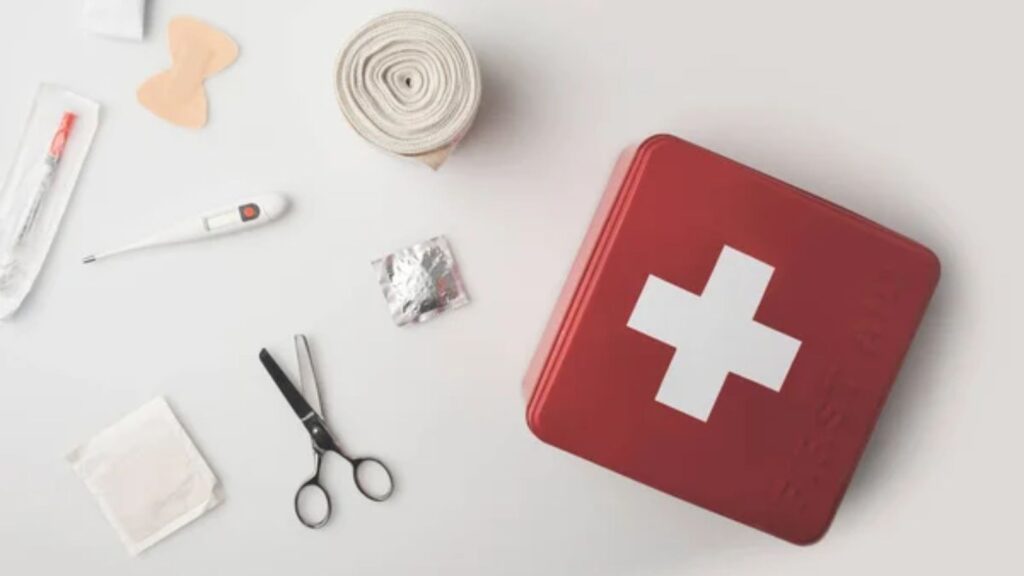
1. First Aid Supplies and Medications
A well-stocked
Related Article: 15 Survival Foods That Could Outlive You
2. Personal Hygiene Supplies
Soap, toothpaste, toothbrushes, toilet paper, feminine hygiene products, diapers, and other personal care items can become difficult to replace during emergencies. It also helps to keep supplies for making your own soap if you’re interested in becoming more self-reliant.
3. Heirloom Seeds
Growing food is much easier if you already have seeds on hand. Heirloom varieties are popular because they produce seeds you can save and plant again the following season. Choose vegetables, herbs, and fruits that grow well in your local climate and focus on reliable, productive crops.
4. Fuel
Cooking, heating, and backup power all depend on having fuel available. Firewood, propane, kerosene, charcoal, and gasoline each serve different purposes, depending on your equipment. If you own a generator, store enough fuel safely and rotate it according to its recommended storage life.
Related Article: 12 Fundamental Survival Skills Every Kid Should Learn
5. Backup Lighting
Power outages are much easier to handle with dependable lighting. Rechargeable solar lanterns and LED lights provide bright light without using much energy. Candles and oil lamps also have their place, especially if you already know how to use them safely.
6. Sewing Supplies and Fabric
A basic sewing kit can keep clothing, blankets, backpacks, and other gear in use much longer. Stock needles, thread, scissors, buttons, patches, and extra fabric for repairs or simple sewing projects.
7. Yarn and Knitting or Crochet Supplies
Yarn doesn’t take up much room and can be turned into warm clothing, blankets, hats, or
Related Article: 18 Weird Survival Uses for Aluminum Foil pin
8. Canning and Food Preservation Supplies
If you grow food or buy produce in bulk, canning jars, replacement lids, rings, and fermenting supplies make long-term food storage much easier. Lids wear out over time, so keeping extras on hand saves frustration later.
9. Cheese-Making Supplies
If you raise dairy animals or have regular access to fresh milk, cheese-making supplies can help stretch your food supply. A few basic items like
10. Tools and Rope
Simple hand tools solve countless problems around the home. Hammers, screwdrivers, pliers, adjustable wrenches, utility knives, nails, screws,
11. Water Filters and Purification Tablets
Stored water eventually runs out, so having a way to clean more is just as important. Portable water filters and
12. Tarps and Plastic Sheeting
Tarps have dozens of uses around a home or homestead. They can cover firewood, protect damaged roofs, shelter equipment, collect rainwater, or provide temporary cover after storms. Rolls of heavy plastic sheeting are just as useful for repairs and weather protection.
13. Fire Extinguishers
Emergency planning should also include fire safety. Keep fire extinguishers in places where fires are most likely to start, such as the kitchen, garage, workshop, and near heating equipment. Make sure everyone in the household knows where they are and how to use them.
14. Animal Feed
If you care for pets or livestock, store enough feed to cover emergencies or periods when deliveries are delayed. Keeping extra seed for growing animal forage can also help reduce dependence on purchased feed over time.
15. Emergency Radio and Entertainment
A