While spiders are generally harmless – and even helpful when it comes to controlling bugs, most of us would rather they stay outside. The tricky part is that spiders are quiet and discreet. They go for tucked-away spots where they can stay hidden and undisturbed.
Spiders often look for dark, quiet places to build a web and wait for a meal. If you want to keep them from moving in, the best place to start is knowing where they like to hang out. Here are some of their favorite hiding spots around the house and what you can do to make those areas less inviting.
Ceiling Corners

Spiders often settle into the corners where walls meet the ceiling. If left alone, a few cobwebs can quickly turn into full webs. A simple sweep with a duster every week can keep these spaces clear.

18-page quick guide and reference for gardeners dealing with pests that show up the most. From prevention strategies to treatment and remedies, this is the perfect printable for your garden.
Behind Furniture

Spiders love the dark, narrow spaces behind heavy furniture. Since these areas don’t get much attention, spiders can build their webs over time, undisturbed. Make a habit of vacuuming or dusting behind large furniture every now and then to discourage squatters.
Basements

Basements are a spider’s dream. They’re quiet, often damp, and full of other bugs to snack on. Unfinished or cluttered basements with leaky pipes or poor ventilation are especially appealing. Sealing cracks, running a dehumidifier, and clearing out clutter can make the space less welcoming to spiders.
Window Frames

Window frames are another favorite of spiders, especially if there are gaps or cracks. Insects drawn to light are easy prey, so spiders often build webs in these areas. Keeping windows clean, fixing damaged screens, and sealing gaps will help keep them out.
Underneath Sinks

Dark cabinets under kitchen and bathroom sinks are ideal spider hiding spots. Moisture from leaky pipes, combined with low traffic, creates the perfect shelter. Check these areas regularly and store supplies in sealed containers to make the space less attractive.
Garage Corners

Garages often collect clutter—boxes, tools, and items we rarely touch. All of that creates perfect cover for spiders. Keep items off the floor when possible and try to declutter your garage a few times a year to reduce hiding spots.
Related: 14 Unexpected Items in the Garage You Should Kick to the Curb
Closets

Piles of clothes, shoes, and forgotten storage are prime nesting areas for spiders. An occasional cleanout can help, and shaking out shoes and clothing before use adds an extra layer of caution.
Attics
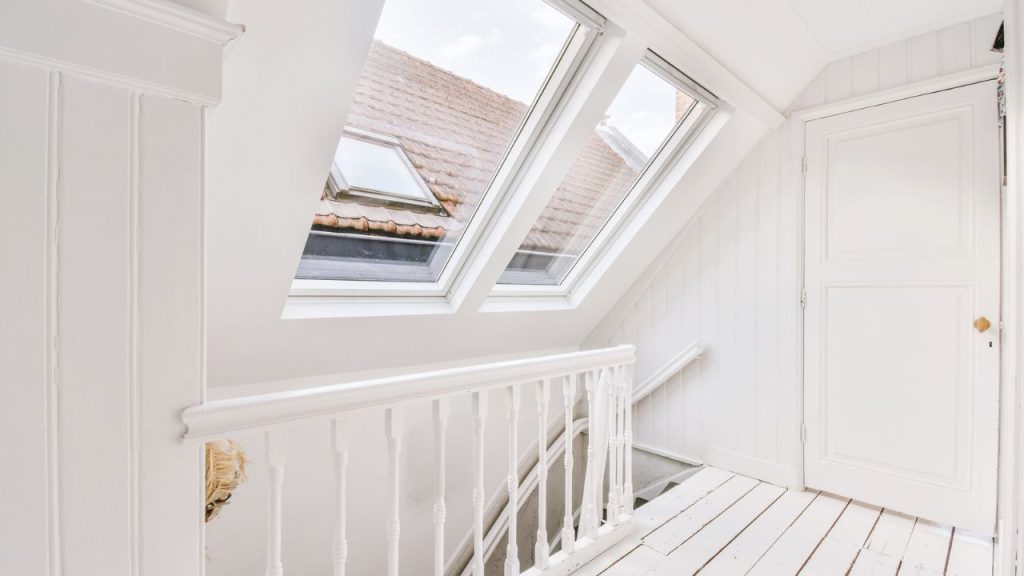
Attics are dark, quiet, and filled with rarely used items—all the things spiders look for in a home. If you’re storing holiday decorations or out-of-season clothing up there, take a moment to inspect boxes before bringing them down.
Around Houseplants

Indoor plants add life to your home and create cozy spots for spiders. The moisture in the soil and dense leaves make great cover. Check for webs around the base and under leaves, and wipe down your plants occasionally to keep things tidy.
Related: 17 Shade Loving Houseplants for Your Home
Inside Air Vents

It might not be the first place you’d think of, but air vents can attract spiders, too. Bugs get trapped in ductwork, and spiders follow the food. Cleaning your vents or adding mesh screens can help keep them out.
16 Germiest Places in Your Home That Need a Deep Clean

It’s easy to overlook the hidden areas that accumulate dirt and germs over time. These often-forgotten spots can turn into breeding grounds for pests and bacteria. Here’s a rundown of the dirtiest places in your home.
16 Germiest Places in Your Home That Need a Deep Clean
9 All-Natural Cleaning Products You Can Make at Home

Commercial cleaners are often filled with harsh chemicals and mysterious ingredients. By making your own all-natural cleaner at home, you can rely on safe, eco-friendly ingredients that you likely already have on hand. Check out these easy homemade recipes for window cleaner, laundry detergent, and so much more.