Harlequin bugs (Murgantia histrionica) are a species of stink bugs that target brassicas like cabbage, broccoli, kale, and collard greens. They will also go after okra, squash, beans, and
You’ll often see clusters of adults on sunny stems or nymphs feeding in groups under leaves. Their feeding causes white or brown spots, yellowed leaves, curled shoots, and stunted heads. Eggs appear in neat black-and-white striped rows on leaf undersides.
If left unchecked, they can wipe out your entire crop. The tips below will help you keep them under control.
1. Learn to spot harlequin bugs early

Harlequin bugs are hard to miss once you know what to look for. They’re about ⅜ inch long with bright orange or red with bold black markings, and shaped like little shields. They love to cluster on plants in the Brassicaceae family (such as kale, collards, and broccoli).
2. Check plants often and hand-pick bugs
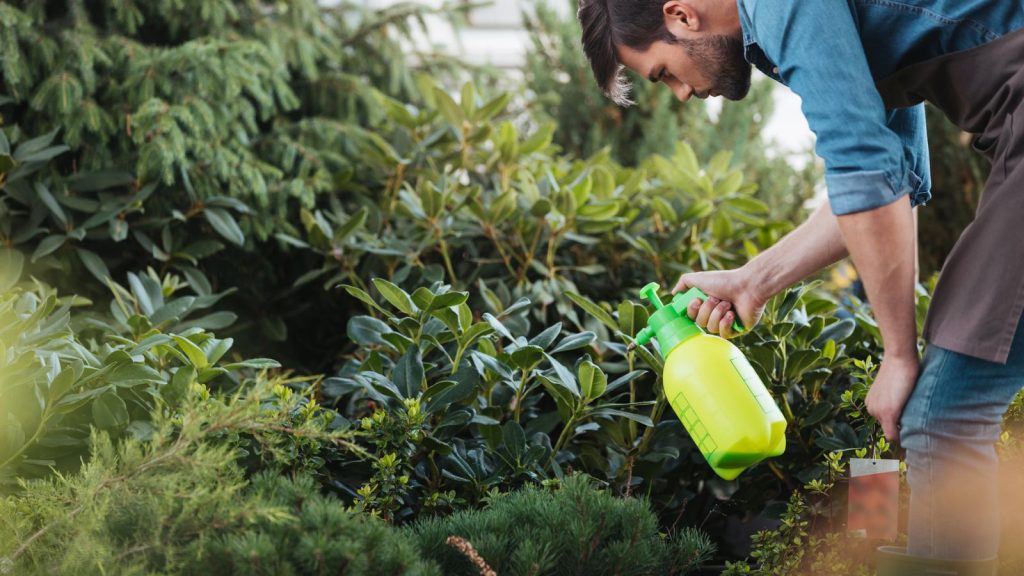
Take a few minutes every few days to inspect your plants, especially the undersides of leaves, where they like to nest. Wear
3. Remove egg clusters before they hatch

Harlequin eggs look like tiny, shiny barrels laid in tidy rows, usually on the underside of leaves. Squash them with your fingers or clip off the leaf and toss it into soapy water. This stops new bugs from hatching and gives you a head start on controlling the population.
4. Use row covers early in the season

Floating row covers (like lightweight garden fabric) act like a bug-proof blanket for your plants. Place them over the seedlings as soon as they are planted, and keep them in place until flowers appear. Row covers are a preventative measure that blocks harlequin bugs from reaching your crops.
5. Clean up garden debris after harvest

Harlequin bugs like to hide in dead leaves, stems, and weeds over winter. After harvest, clear away leftover plant material and fallen leaves, especially around crops in the cabbage family. If you’re composting any material you suspect is infested, make sure the pile reaches a temperature of over 140°F to kill any lingering bugs or eggs.
6. Rotate crops to throw them off

Since harlequin bugs love brassicas and their cousins, if you keep planting them in the same spot, the bugs will find them year after year. Rotate crops with unrelated vegetables like beans, corn, or peppers for a couple of seasons.
It makes it harder for the bugs to settle in and feed. And if they have already settled, crop rotation starves them and disrupts their life cycle by removing their food sources.
7. Plant trap crops as a decoy

Try planting mustard greens or collards a few weeks before your main crops. Harlequin bugs are initially drawn to them, and they can be effective as trap crops. Once they start to get overrun with bugs, remove the trap plants or spray them directly. This tactic allows you to eliminate many bugs before they even reach your vegetables.
8. Attract natural predators to help out

Beneficial insects like ladybugs, spiders, and parasitic wasps feed on harlequin bugs or their eggs. Grow companion plants like
9. Use insecticidal soap or neem oil for small outbreaks

If you catch them early enough, a simple spray made with
10. Try botanical insecticides for bigger infestations
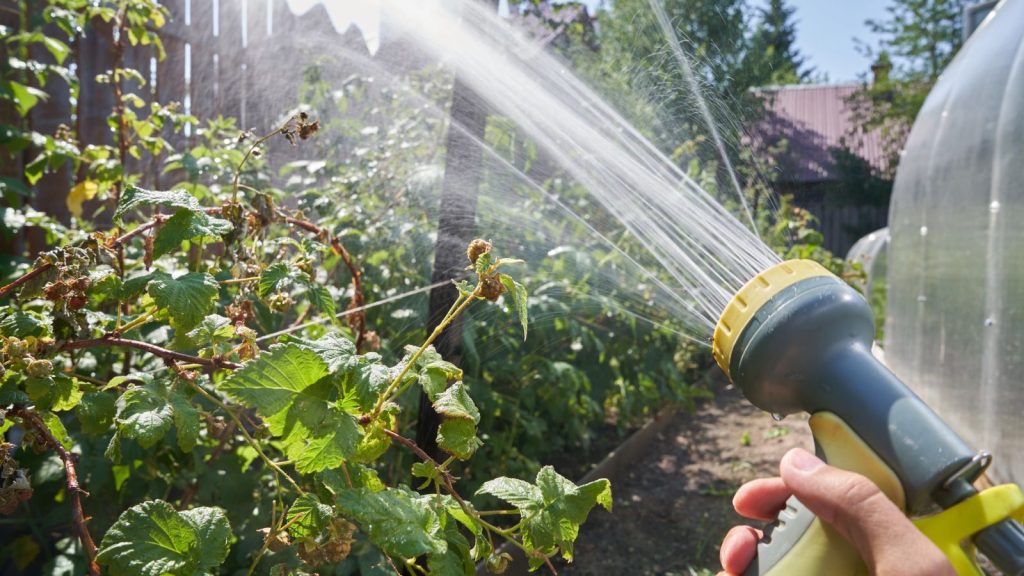
If the problem becomes bigger than something all the above measures can handle, it’s time to bring out the big guns. Use insecticides made with natural ingredients, such as spinosad or pyrethrin. They break down quickly and have lower toxicity than harsh chemicals. Spray in the early evening when bees are less active, and always follow label instructions.
11. Don’t grow all their food sources together
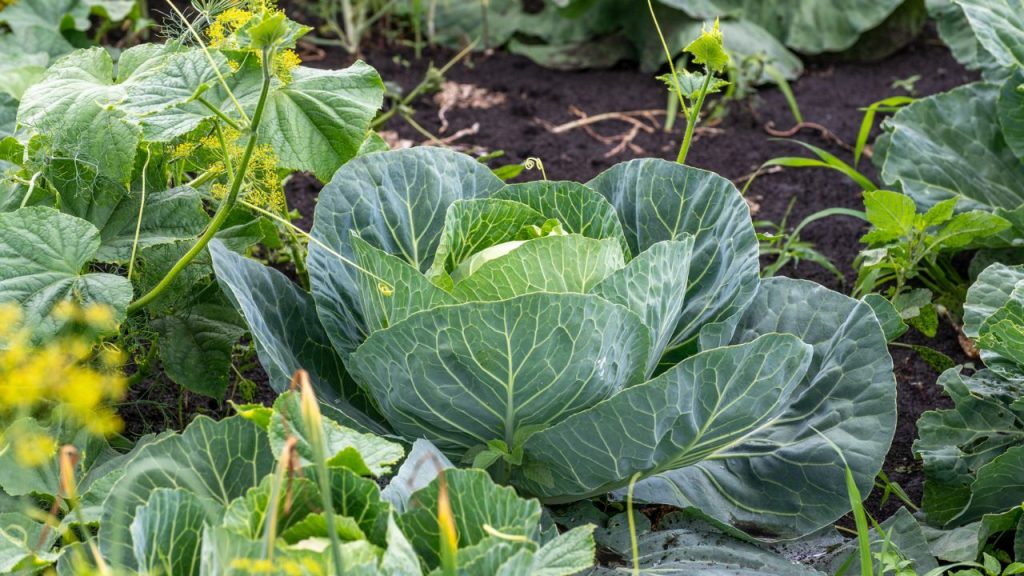
Harlequin bugs primarily feed on cruciferous vegetables, such as kale, cabbage, and broccoli, but also enjoy some ornamental plants, including
If you do need to plant them together, use row covers or plant in small blocks instead of long rows. Spacing the plants out can slow the spread of an infestation.
12. Watch for bug activity as the weather warms

Harlequin bugs tend to show up early in the growing season, just as the days start warming up after winter. Each spring, write down when you first notice them in your garden so you can keep track of their life cycle and catch infestations before they occur.
13. Adjust your planting schedule to avoid them
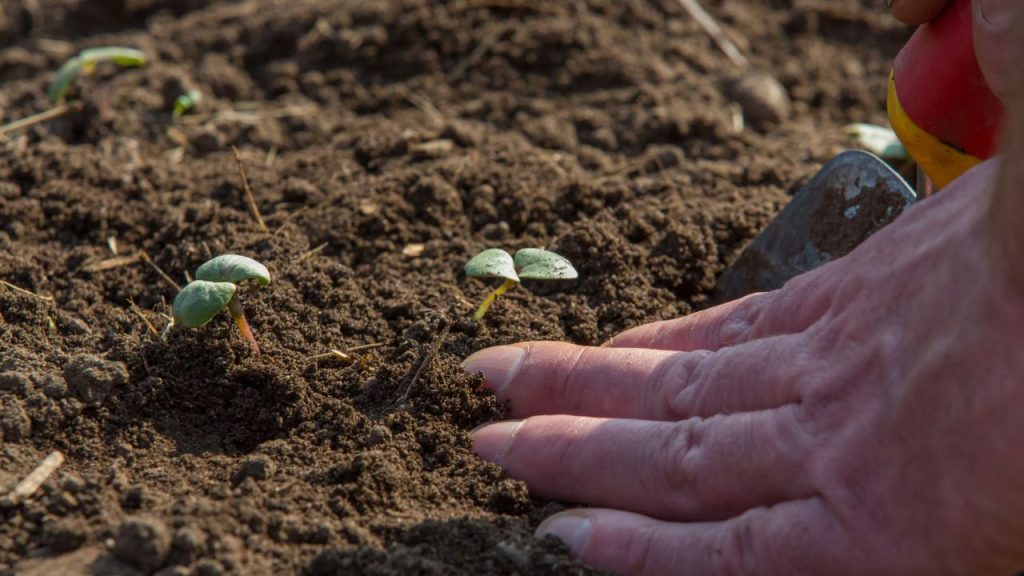
In areas prone to harlequin bug infestation, timing your planting well can reduce their load. Since they’re most active in spring heat, planting brassicas in the fall often avoids peak infestations. If you’re planting in spring, protect young plants early and transplant them after the first big wave of harlequin bugs has passed.
14. Try sticky or pheromone traps as early alerts
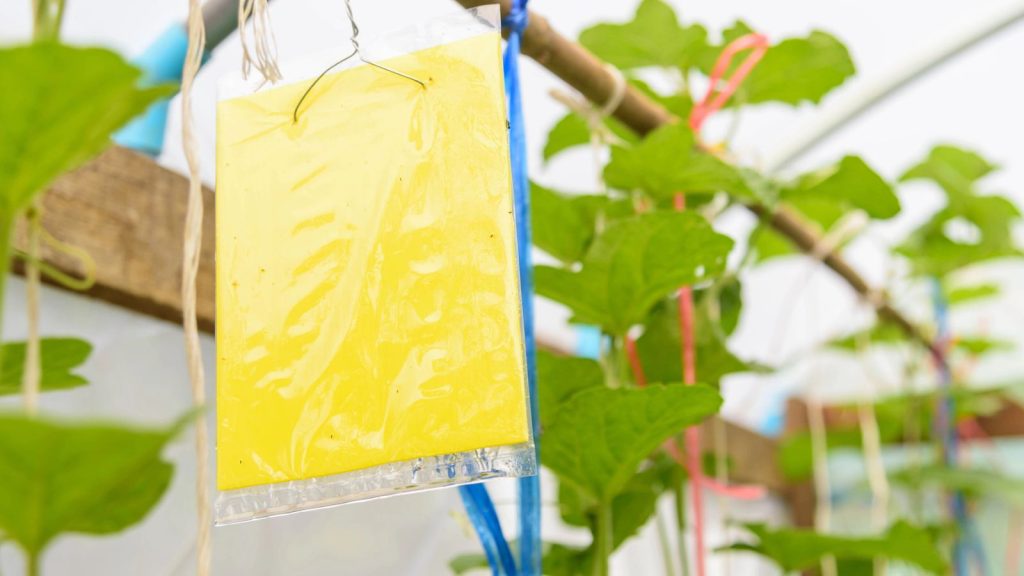
While harlequin bugs aren’t the main target for stink bug traps, they can still get caught. If you place yellow sticky traps around the edges of your crops, they’ll snag the bugs as they move. Replace the traps when they get dirty or crowded. Although they won’t entirely remove the bugs, traps are a handy way to keep tabs on them.
15. Use natural barriers
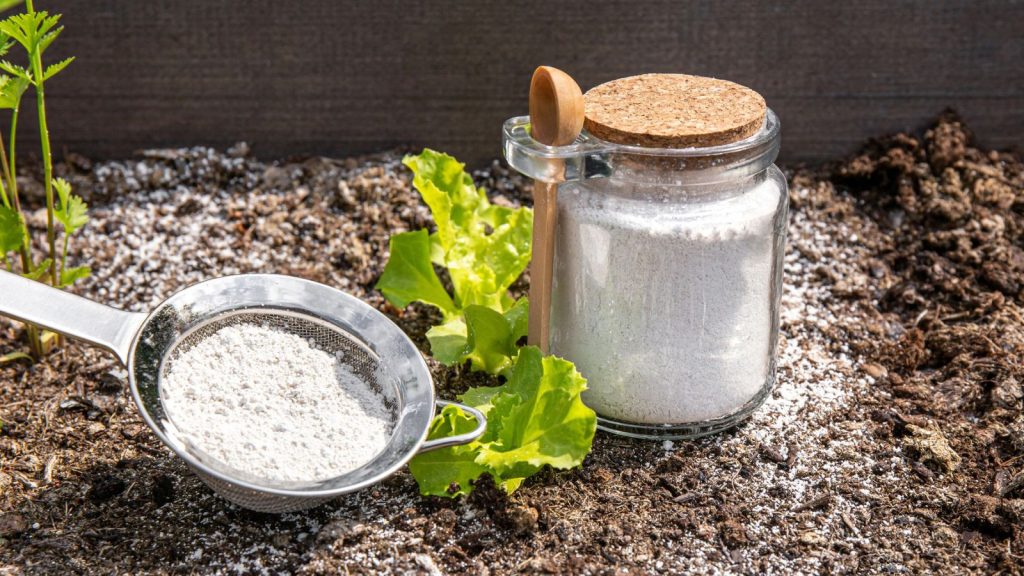
Materials like
Diatomaceous earth, on the other hand, works best as a dry perimeter barrier around the base of plants. It scratches and dehydrates soft-bodied insects as they crawl over it. Both methods are non-toxic and help reduce the pest population when used consistently.
How to Defeat Japanese Beetles in Your Garden

If Japanese beetles are causing problems in your garden, consider trying one of these natural methods to eliminate them.
How to Defeat Japanese Beetles in Your Garden
Common Pests That Could Ruin Your Vegetable Garden

Fall gardens can attract a variety of pests eager to snack on your crops, threatening your harvest. The good news is that nature provides ways to manage these unwanted visitors. Here’s a guide to some of the most common fall garden pests and tips on how to prevent and manage them.
8 Common Pests That Could Ruin Your Vegetable Garden
How to Outsmart Gnats to Keep Them Away From Your Houseplants
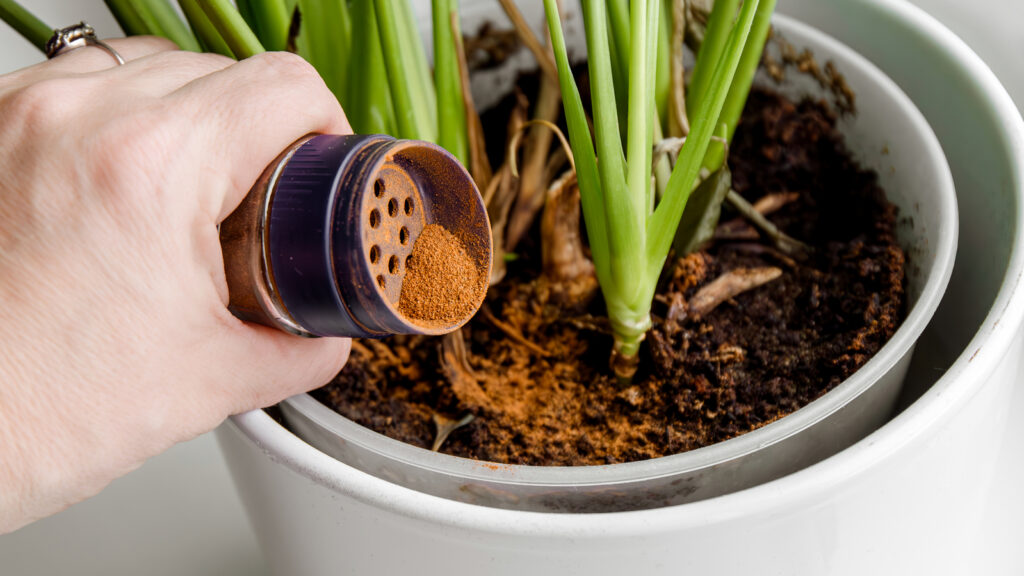
Gnats are more than just a minor annoyance; these tiny pests buzz around with a persistence that’s hard to ignore. Here are ten effective ways to keep gnats away from your house plants.
How to Outsmart Gnats to Keep Them Away From Your Houseplants