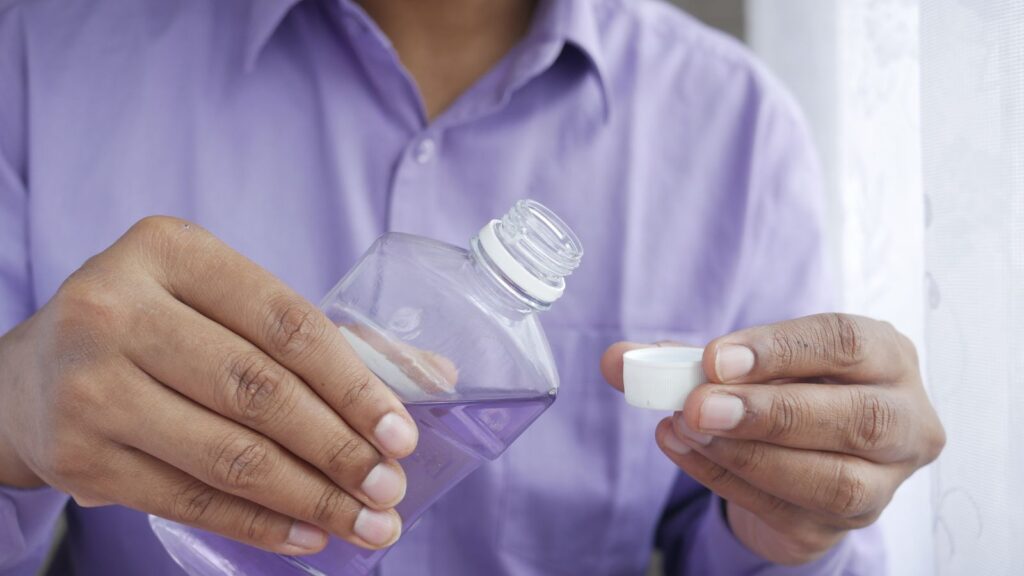
Mouthwash usually lives beside the toothbrush, but that doesn’t mean it has to stay there. Some types contain alcohol and other ingredients that can help with odors and certain cleaning jobs around the house.
That said, mouthwash isn’t a replacement for a proper household disinfectant, and some surfaces or materials may react badly to it. Test a small, hidden spot first, and avoid using colored mouthwash where it could leave a stain.
Here are some unusual ways people put mouthwash to work around the house.
Clean Certain Household Surfaces
If you’ve run out of your usual cleaner, mouthwash may be useful for a quick wipe-down of some hard, nonporous surfaces. Dampen a soft cloth with a small amount and wipe the surface, then rinse if needed.
Because mouthwash formulas vary, skip this method on delicate materials, painted surfaces, natural stone, or anything that could be damaged by alcohol.
Care for Houseplants
Some gardeners use diluted mouthwash as a homemade treatment for mildew or small garden pests. If you want to try it, dilute it well with water and test the mixture on a small section of the plant first.
Mouthwash isn’t a proven treatment for every plant disease or pest, so don’t rely on it if your plant has a serious infestation or infection.
Freshen Smelly Feet
Mouthwash is sometimes used in foot soaks because many formulas contain alcohol and other ingredients that can leave the skin feeling fresh.
For a simple soak, add a small amount of mouthwash to a basin of warm water and soak your feet for several minutes. This may help with odor, but mouthwash shouldn’t be treated as a cure for athlete’s foot or another fungal infection. Persistent itching, cracking, or rash is better handled with an appropriate antifungal treatment or advice from a healthcare professional.
Help Cut Flowers Last Longer
Cut flowers can start to wilt as bacteria build up in vase water. Some people add a small splash of mouthwash to the water in an attempt to keep the water fresher.
A cleaner vase and fresh water are still the basics that matter most. Remove leaves that sit below the waterline, trim the stems, and change the water regularly. If you experiment with mouthwash, use only a small amount and avoid heavily colored formulas.
Freshen a Humidifier
Humidifiers need regular cleaning because standing water can encourage mold, mineral buildup, and microbial growth. Mouthwash shouldn’t be added to the water tank unless the manufacturer specifically says it is safe.
Instead, use the cleaning method recommended in your humidifier’s instructions. If you’re dealing with an unpleasant smell, cleaning and drying the tank thoroughly is a much better place to start.
Freshen the Garbage Disposal
A smelly garbage disposal can make the whole kitchen smell unpleasant. A small amount of mouthwash can help mask odors temporarily.
Pour a little into the disposal, let it sit briefly, then run the disposal with cold water. This is mainly an odor-control trick, so it won’t replace cleaning away food residue that may be causing the smell.
For another way to tackle disposal odors, try this guide:
How to Get Rid of Smells in Garbage Disposal
Deodorize the Garbage Can
Trash cans can develop stubborn smells, especially during warm weather. A simple trick is to dampen a paper towel with a small amount of mouthwash and place it at the bottom of the empty bin.
Let it dry before adding a new bag. This can help with lingering odors, but keeping the can clean and removing trash regularly will do much more to prevent bad smells from coming back.
Freshen Odorous Laundry
Some people add a small amount of clear, alcohol-based mouthwash to a load of particularly smelly laundry. The idea is to help reduce lingering odors.
Before trying this, check the mouthwash label and your washing machine’s instructions. Mouthwash isn’t formulated as laundry detergent, and colored or heavily flavored varieties could stain fabrics. For musty clothes or towels, washing with the proper detergent and drying everything completely is a safer choice.
Clean Tile Floors
Mouthwash can sometimes be used for a quick wipe-down of certain hard tile surfaces, thanks to the alcohol found in some formulas. Mix a small amount with water and test it on an inconspicuous area before cleaning a larger section.
Be careful with grout, natural stone, and other porous materials. Some cleaning products can damage or discolor them.
Related post: How to Clean Your Tile Grout
Don’t Use Mouthwash on Wounds
Mouthwash has a long history of being used for antiseptic purposes, but that doesn’t make it a good choice for cleaning cuts or wounds at home. Alcohol-based mouthwash can irritate damaged skin and may interfere with the healing process.
For a minor cut, rinse it with clean running water, wash around it with mild soap, and cover it with a clean bandage. Seek medical care for deep wounds, heavy bleeding, bites, or signs of infection.
Mouthwash can be handy for a few household jobs, especially odor control, but it shouldn’t replace products made for cleaning, laundry, gardening, or first aid. A little caution goes a long way, particularly since mouthwash formulas can differ quite a bit from one brand to another.
Other Topics You Might Like
- 10 Strange Things That Are Surprisingly Smart to Stockpile
- How to Clean a Wood Cutting Board
- 15 Safe Ways to Clean a Cast Iron Skillet Without Ruining the Seasoning
- 12 Things Professional Organizers Would Never Store Under the Kitchen Sink
- 12 Small Habits That Make a Big Difference in Keeping Your Home Clean