
Expiration dates can make perfectly good food seem like it needs to go straight into the trash. But those dates don’t always mean a food suddenly becomes unsafe the day printed on the package passes. For many shelf-stable foods, the date is more about freshness and quality than an exact cutoff point.
That doesn’t mean every expired food is safe to eat. Storage conditions matter, and foods that show mold, unusual odors, leaking, swelling, or other signs of spoilage should be discarded.
Still, quite a few pantry staples can remain usable long after their printed dates. If you’ve been cleaning out your pantry or trying to cut down on food waste, these are some of the foods worth checking before tossing them.
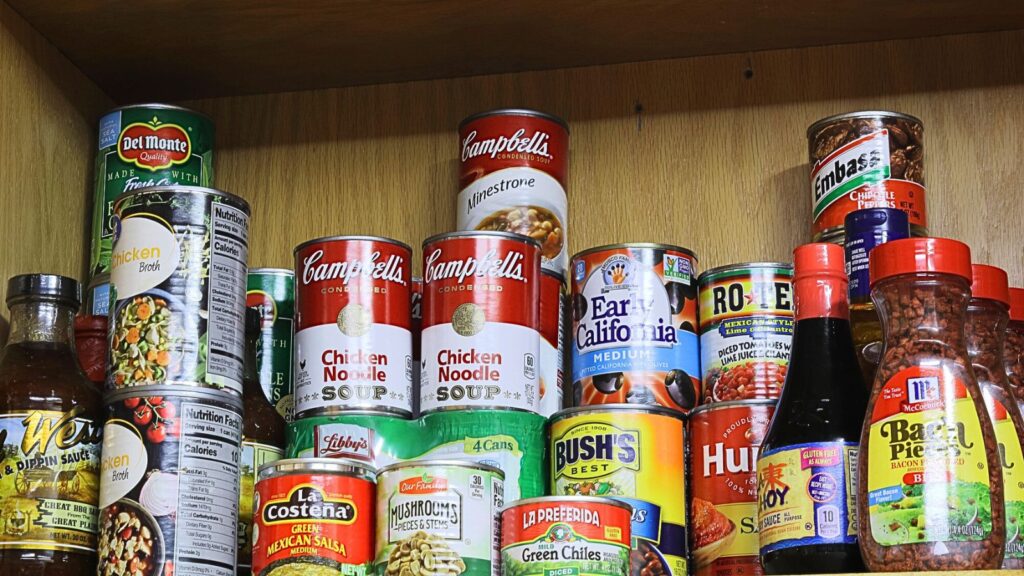
Canned Goods
Canned foods can last for years when they’re stored in a cool, dry place and the cans remain in good condition. A printed date doesn’t automatically mean the contents have spoiled.
Before opening an old can, inspect it carefully. Rust that’s deep enough to penetrate the can, leaking, severe dents, or a swollen lid are reasons to throw it away. Never taste food from a questionable can to see if it’s still good.
High-acid foods such as tomatoes generally have a shorter recommended storage period than low-acid foods such as beans or vegetables. Still, proper storage makes a big difference in how long canned food retains its quality.
Dried Pasta
A box of dried pasta can sit in the pantry for a surprisingly long time. Since it contains very little moisture, it doesn’t spoil as quickly as fresh pasta.
Store it somewhere cool and dry, preferably in a sealed container if you’re keeping it for an extended period. Before cooking, check for insects, moisture, mold, or an unusual smell.
The pasta may lose some of its original quality over time, but an old package isn’t automatically destined for the trash just because the date has passed.
Baking Soda
Baking soda doesn’t suddenly spoil after its printed date, but it can gradually lose its effectiveness as a leavening agent.
That doesn’t make an old box useless. Baking soda has plenty of household uses, including cleaning, deodorizing, and absorbing odors. If you’re unsure whether an older box still works for baking, you can test it before adding it to a recipe.
Oats
Rolled oats can last for quite a while when stored properly. Keep them in an airtight container in a cool, dry pantry, and protect them from insects and moisture.
Older oats may eventually develop a stale or rancid smell, especially if they’ve been exposed to heat or air. Give them a quick inspection before cooking. If they smell normal and show no signs of pests or mold, the printed date alone doesn’t mean they need to be discarded.
Peanut Butter
Unopened commercial peanut butter can often remain usable past its printed date if it has been stored properly. The high fat content does mean it can eventually become rancid, so smell and appearance matter.
Natural peanut butter is a little different. The oils may separate and collect at the top, which is normal and doesn’t mean the peanut butter has spoiled. Stirring it brings the mixture back together.
If the peanut butter smells sour, bitter, or otherwise unpleasant, it’s time to replace it.
Honey
Honey is one of the longest-lasting foods you can keep in your pantry. Its low moisture content and acidity make it difficult for many microorganisms to grow.
Over time,
Keep
Rice
White rice is a favorite for long-term food storage because it contains very little moisture and can last for many years under good storage conditions.
Keep it sealed in an airtight container somewhere cool and dry. For extended storage, some people package rice in Mylar bags with oxygen absorbers.
Brown rice is different because the natural oils in its bran and germ can eventually turn rancid. If you’re building a long-term pantry, white rice is usually the better choice.
Dried Beans
Dried beans can last for years when kept dry and protected from insects. As they get older, they may become harder to cook and can take considerably longer to soften, but age alone doesn’t necessarily make them unsafe.
Store them in airtight containers away from heat and moisture. Older beans are especially useful in soups, stews, chili, and other dishes where a little extra cooking time isn’t a problem.
Related: These Impressive Recipes Start with Canned Beans
Salt
Plain salt is about as long-lasting as pantry foods get. It doesn’t spoil in the usual sense, although moisture can cause it to clump.
Keep salt in a dry, sealed container and it can remain usable for an extremely long time. It’s also handy for food preservation, cooking, and plenty of household jobs.
Related: 17 Unusual Uses for Salt You’re Probably Not Aware Of
Sugar
Granulated sugar can last indefinitely when protected from moisture and contamination. It may become hard or lumpy if humidity gets into the container, but that doesn’t necessarily mean it’s spoiled.
Sugar can also attract insects, including ants and pantry pests, so keeping it in a tightly sealed container is a good idea.
White granulated sugar is particularly well suited to long-term storage. Brown sugar has more moisture and tends to harden much sooner.
Related: Homemade Brown Sugar
Powdered Milk
Powdered milk can last well beyond its printed date when it’s unopened and stored under the conditions recommended on the package. Once opened, exposure to air and moisture can shorten its storage life considerably.
Before using an older package, check for an off smell, unusual discoloration, moisture, or clumping that doesn’t break apart normally.
Older
Vinegar
White vinegar is another pantry staple that keeps for a very long time. Its high acidity makes it naturally resistant to spoilage.
Over time, you might notice changes in appearance, such as cloudiness or sediment. These changes don’t necessarily mean the vinegar has gone bad.
Keep the bottle tightly closed and store it away from direct sunlight and excessive heat.
Eggs
Eggs aren’t going to last forever, but they can sometimes remain usable beyond the date printed on the carton when they’ve been kept refrigerated properly.
Don’t rely on the water-float test as a food-safety test. An egg that floats is older because more air has entered the shell, but that doesn’t tell you whether harmful bacteria are present.
Instead, keep eggs refrigerated and inspect them after cracking. If an egg has an unusual smell or appearance, discard it. Cooking eggs thoroughly is also a safer choice, especially for young children, older adults, pregnant people, and anyone with a weakened immune system.
Hard Cheese
Hard cheeses such as cheddar, Parmesan, and similar aged varieties generally keep longer than soft cheeses because they contain less moisture.
If a small patch of mold appears on a firm, hard cheese, it doesn’t always mean the entire block has to be thrown away. For appropriate hard cheeses, you can cut away the mold and about an inch around and below it, using a clean knife and keeping the knife away from the mold as you cut.
Soft cheeses are different. Mold can spread below the surface, so visibly moldy soft cheese is generally best discarded.
Proper refrigeration is still important. Hard cheese may last well beyond the date on the package, but its condition should always be checked before eating.