Rubbing alcohol, also known as isopropyl alcohol, is one of those inexpensive household staples that can do more than sit in the medicine cabinet. It’s commonly used to disinfect surfaces and clean minor cuts, but it can also help with sticky residue, stains, fingerprints, and plenty of everyday messes.
Before using it, check the item’s care instructions and test a small hidden area. Rubbing alcohol can damage some finishes, plastics, painted surfaces, and fabrics. It’s also highly flammable, so keep it away from flames, sparks, and heat, and use it in a well-ventilated area.
Here are 13 useful ways to put that bottle to work around the house.
Tile Grout
Dirty grout can make an otherwise clean bathroom look dingy. Rubbing alcohol can help with surface grime and some mildew-related buildup.
Apply a small amount to a cloth or use a suitable cleaning solution, then scrub the grout with a brush and rinse the area. Test the mixture on an inconspicuous spot first, since different tile and grout materials can react differently to cleaning products.
Related: 15 Surprising Ways Diatomaceous Earth Can Help Around the House
Jewelry
Rubbing alcohol can be useful for cleaning some hard, non-porous jewelry. It can remove oils and everyday grime from materials that can safely tolerate alcohol.
Place a small amount on a soft cloth and gently wipe the piece. Rinse if appropriate and dry thoroughly.
Skip this method for pearls, opals, porous stones, plated pieces, or jewelry with delicate finishes. If you’re unsure about a piece, check the manufacturer’s cleaning instructions first.
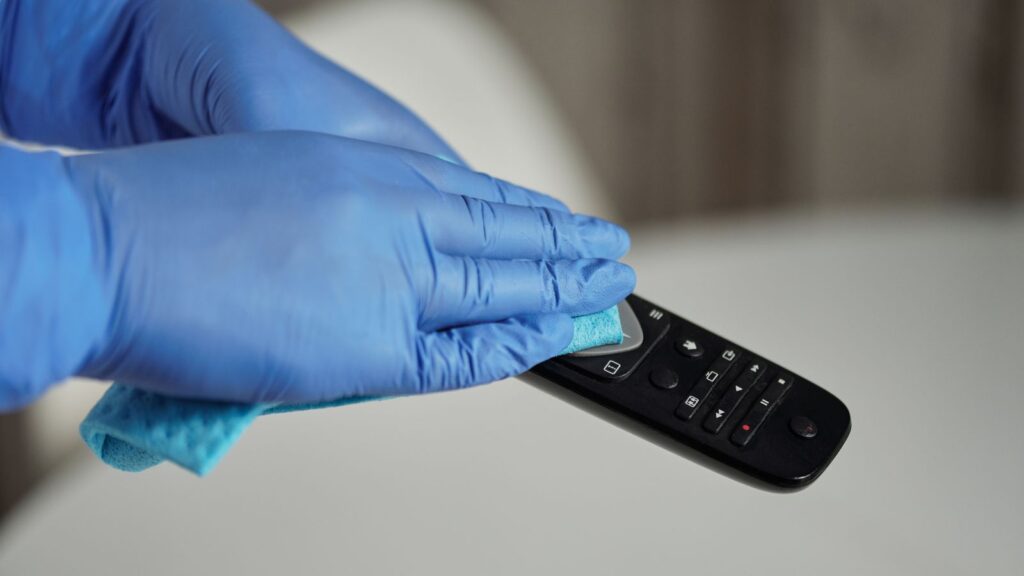
Sanitize Remote Controls
Remote controls get handled constantly but don’t always make it onto the cleaning list. Oils, crumbs, and dirt can collect around the buttons and along the edges.
Turn off or remove the
Related: 14 Smart Ways to Give Your Coffee Grounds a Second Life
Children’s Toys
Hard, non-porous toys can be wiped down with rubbing alcohol to remove grime and reduce germs on the surface. This can be useful for toys that are handled frequently.
Use a small amount on a cloth rather than soaking the toy, and let it dry completely before giving it back to a child. Check the manufacturer’s instructions first, especially for painted toys, electronic toys, rubber, or soft plastic.
Never use rubbing alcohol on toys that children may put in their mouths unless the manufacturer specifically says it is safe.
Disinfect Surfaces
Rubbing alcohol can be useful for cleaning certain hard, non-porous surfaces around the house. Door handles, light switches, and other frequently touched areas can benefit from regular cleaning.
Use the appropriate concentration for the task and allow the surface to remain wet for the contact time recommended by the product instructions. Don’t mix rubbing alcohol with bleach, ammonia, or other cleaning products.
Remove Stains
Rubbing alcohol can help lift some stubborn stains, including ink and certain makeup marks. Before treating clothing or upholstery, test the alcohol on a hidden section to check for color loss or damage.
Apply a small amount to a clean cloth and gently blot the stain rather than rubbing it aggressively. Work from the outside toward the center, then launder the item according to its care instructions.
Some fabrics and finishes can be damaged by alcohol, so check the care label first.
Related: 18 Ways Hydrogen Peroxide Can Help With Cleaning and Household Chores
Clean Electronics
Phones, keyboards, computer mice, and other frequently handled electronics can collect fingerprints and grime. Rubbing alcohol can be useful for cleaning many hard surfaces, but the cleaning method matters.
Put a small amount of alcohol on a microfiber cloth and wipe the surface gently. Never spray liquid directly onto electronics, ports, speakers, or openings. Follow the manufacturer’s cleaning instructions for your particular device.
Deodorize Shoes
Shoes can develop odors after repeated use, especially when moisture has nowhere to escape. A light application of rubbing alcohol can help reduce some odor-causing microbes on suitable shoe materials.
Lightly mist the inside of the shoes rather than soaking them, then leave them somewhere well ventilated until completely dry. Test a small hidden area first, since alcohol can discolor or damage some materials.
Remove Sticky Residue
Few things are more annoying than peeling off a sticker only to find a layer of glue underneath. Rubbing alcohol can help break down adhesive residue from labels and tape.
Apply a little to a cloth and work on the sticky area until the residue loosens. Wipe the surface clean afterward.
Test first on painted, finished, plastic, or delicate surfaces because alcohol can strip certain coatings.
Clean Eyeglasses
Rubbing alcohol can remove oils and fingerprints from some eyeglass surfaces, but it isn’t the best choice for every pair. Some lenses have coatings that may be damaged by alcohol or harsh cleaners.
For everyday cleaning, follow the instructions from your eyewear manufacturer or use a lens cleaner made for coated lenses. If alcohol is approved for your glasses, apply a small amount to a suitable lens-safe cloth rather than pouring it directly onto the lenses.
Related: 11 Simple Ways to Put Borax to Work Around the House
Revive Dry Erase Markers
A dry erase marker that still has ink left in it may sometimes be revived with a tiny amount of rubbing alcohol.
Place a small amount of alcohol on the marker tip and allow it to absorb briefly. Put the cap back on and give the ink time to spread through the tip. Results vary, and a marker that has completely dried out may simply need to be replaced.
Nail Polish Remover
Rubbing alcohol can help loosen some nail polish when you’re out of remover, though it usually takes more effort and may not work as well.
Soak a cotton pad with a small amount and gently wipe the polish from your nails. Wash your hands afterward and apply moisturizer, since alcohol can leave skin feeling dry.
Clean Hair Tools
Hairbrushes and combs can collect hair products, oils, and residue over time. Rubbing alcohol can be useful for cleaning some hard, non-porous tools.
Remove loose hair first, then wipe the tool with a cloth lightly dampened with alcohol. For suitable plastic combs and brushes, a brief soak may work, but avoid soaking wooden, cushioned, or delicate tools. Let everything dry completely before using it again.
A bottle of rubbing alcohol can be surprisingly handy around the house, but it isn’t a universal cleaner. Use it on compatible surfaces, keep it away from heat and flames, and always check care instructions before applying it to something valuable or delicate.
Other Topics You Might Like
- 10 Strange Things That Are Surprisingly Smart to Stockpile
- How to Clean a Wood Cutting Board
- 15 Safe Ways to Clean a Cast Iron Skillet Without Ruining the Seasoning
- 12 Things Professional Organizers Would Never Store Under the Kitchen Sink
- 12 Small Habits That Make a Big Difference in Keeping Your Home Clean