You don’t need acres of farmland, a big red barn, or a tractor to start homesteading. For some Americans, a backyard, a few chickens, and a vegetable garden are more than enough.
With grocery prices putting pressure on household budgets and more people questioning where their food comes from, homesteading is getting attention from people who may have never considered raising animals or growing their own food.
And they’re not necessarily moving to the countryside to do it. Instead, they’re making use of the space they already have, whether that’s a suburban backyard, a small residential lot, or even a patio with a few containers.
From a Backyard to a Small Homestead
A recent NJ.com report highlighted how some Americans are embracing homesteading without owning a traditional farm. One of the people featured was Bonnie Henderson, a New Jersey resident who transformed her half-acre property into a small homestead in just six months.
Before April, Henderson had never owned livestock. By October, she was caring for more than 30 chickens, four turkeys, two goats, and two rabbits.
Her daily routine now includes feeding the animals, collecting fresh eggs, and arranging for chickens to be processed at a local farm.
Henderson told NJ.com that caring for the animals turned out to be easier than she expected, particularly once she developed a routine.
While most beginners probably aren’t looking to take on that many animals, her experience shows how quickly an ordinary residential property can become a working homestead.
Why More People Are Interested in Growing Their Own Food
Food prices have increased considerably over the past several years, leaving shoppers looking for ways to stretch their budgets. Growing vegetables or collecting eggs from backyard chickens can seem like a practical way to offset some of those expenses.
But saving money isn’t the only motivation. Some people want to know more about how their food is grown, what goes into it, and how it gets from the farm to their dinner table.
Others simply like the idea of becoming less dependent on grocery stores for everything they eat.
Growing tomatoes, peppers, lettuce, and herbs at home gives people a chance to produce some of their own food. Raising chickens, where local regulations allow, can provide a regular supply of eggs.
There’s also the satisfaction of learning skills that many households once relied on, including gardening, composting, canning, and preserving seasonal produce.
You Don’t Need a Large Property to Homestead
One of the biggest misconceptions about homesteading is that you need a significant amount of land to make it worthwhile. In reality, there are plenty of ways to become more self-sufficient without owning a farm.
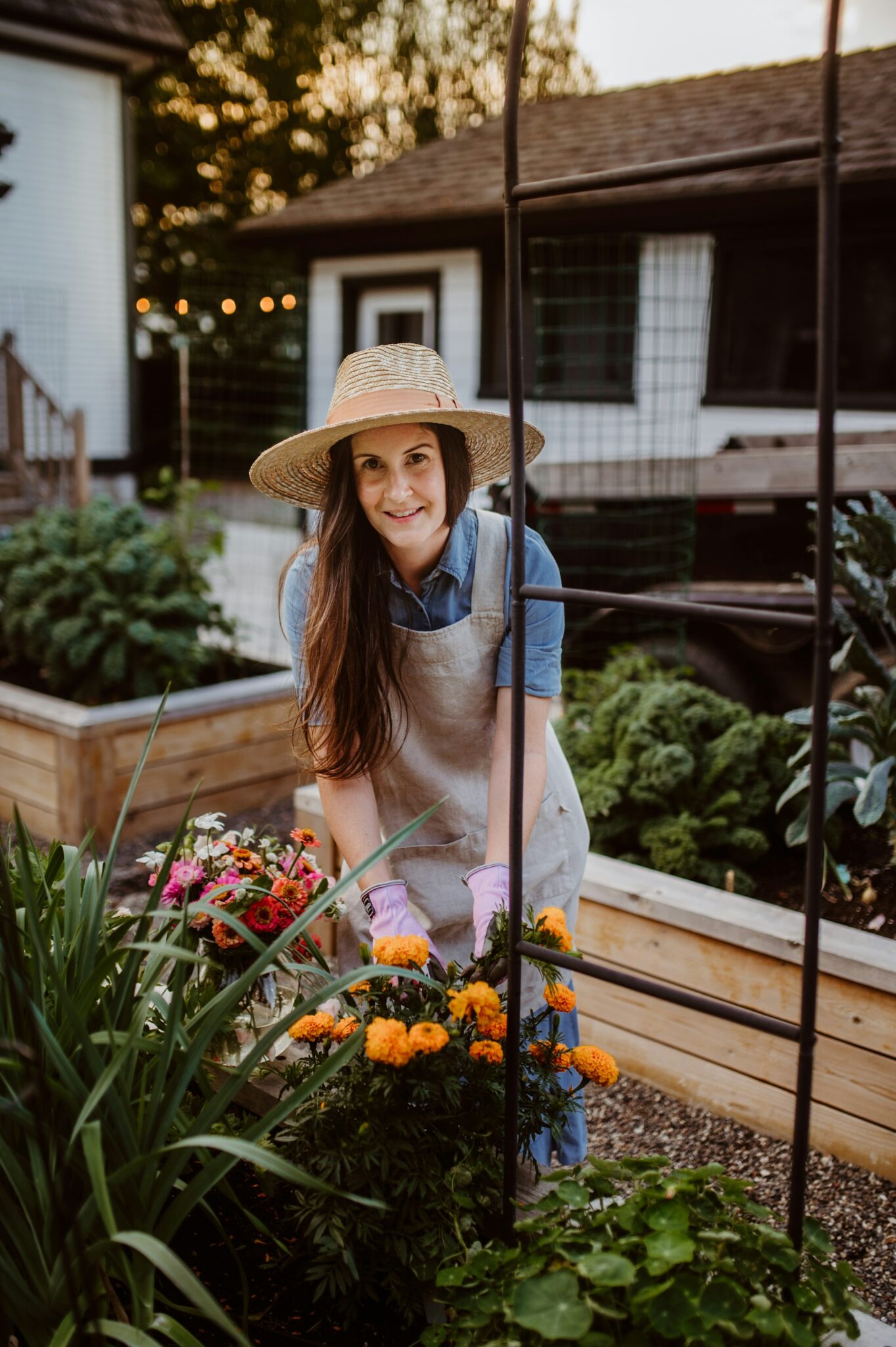
Raised garden beds can produce vegetables in relatively small spaces, while container gardens make it possible to grow herbs, peppers, tomatoes, and leafy greens on patios and balconies.
Some people use vertical gardening methods to make better use of limited space. Others grow food indoors using hydroponic systems or grow lights.
Backyard chickens are another popular option for people with enough outdoor space, although local ordinances, housing restrictions, and proper animal care requirements need to be considered before getting started.
And homesteading doesn’t have to involve livestock at all.
Composting kitchen scraps, collecting rainwater where permitted, learning to preserve food, and making household products from scratch are all ways to practice self-sufficiency.
The idea is to make better use of what you already have rather than waiting until you can afford a larger property.
Does Homesteading Actually Save Money?
Although rising grocery prices may encourage people to try homesteading, producing your own food isn’t always cheaper than buying it. Starting a vegetable garden requires seeds, soil, compost, tools, and possibly raised beds or containers. Depending on the setup, those initial costs can add up.
Raising chickens comes with even more expenses, including a secure coop, fencing, feed, bedding, and veterinary care.
And while fresh eggs from your backyard are appealing, they aren’t necessarily less expensive than grocery store eggs, especially when you factor in the cost of caring for the birds.
Gardening can become more economical over time, particularly when people reuse supplies, save seeds, compost, and focus on growing vegetables their families regularly eat.
Crops like tomatoes, herbs, peppers, and leafy greens can be particularly worthwhile for households that use them often.
Still, the financial benefits depend on how much food is produced, local growing conditions, and what someone spends getting started.
For many homesteaders, the value goes beyond saving a few dollars. It’s about having access to fresh food, learning practical skills, and knowing they can produce at least some of what their household needs.
A Different Way to Think About Homesteading
For years, the idea of homesteading has often been associated with rural properties, large gardens, and families living almost entirely off the land. But that isn’t the only way to do it.
A household growing vegetables in raised beds, collecting eggs from a few backyard chickens, or preserving produce from a summer harvest is practicing many of the same skills on a smaller scale.
Some people are finding ways to bring those practices into their everyday lives without making a major move or purchasing a farm. And while a backyard garden probably won’t eliminate grocery shopping, it can help households become a little more self-sufficient.