If you’ve ever traveled outside the United States, you may have noticed that some familiar grocery store favorites are nowhere to be found. That’s because many countries have different food regulations, ingredient standards, and labeling requirements than the U.S. In some cases, products are sold with different recipes. In others, they’re restricted or unavailable altogether.
The reasons vary. Some countries prohibit certain artificial colors, preservatives, or additives. Others have stricter limits on ingredients that American manufacturers are allowed to use. Cultural preferences and dietary laws also influence what ends up on store shelves.
Here are some well-known American foods that have faced restrictions, reformulations, or bans in various parts of the world, and why.
Skittles
Skittles are known for their bright colors, but some of the artificial food dyes used in the American version have drawn attention overseas.
Several European countries have stricter rules on synthetic colorings such as Yellow 5 and Red 40. While the candies aren’t banned everywhere, some countries require warning labels or encourage manufacturers to use natural colorings instead.
Twinkies
Twinkies have become an American icon, thanks to their sweet filling and long shelf life. Their ingredient list, though, has raised concerns in some countries.
The combination of preservatives, artificial ingredients, hydrogenated oils, and high levels of added sugar doesn’t meet food standards in certain parts of Europe, where similar products are often made with different recipes or aren’t sold at all.
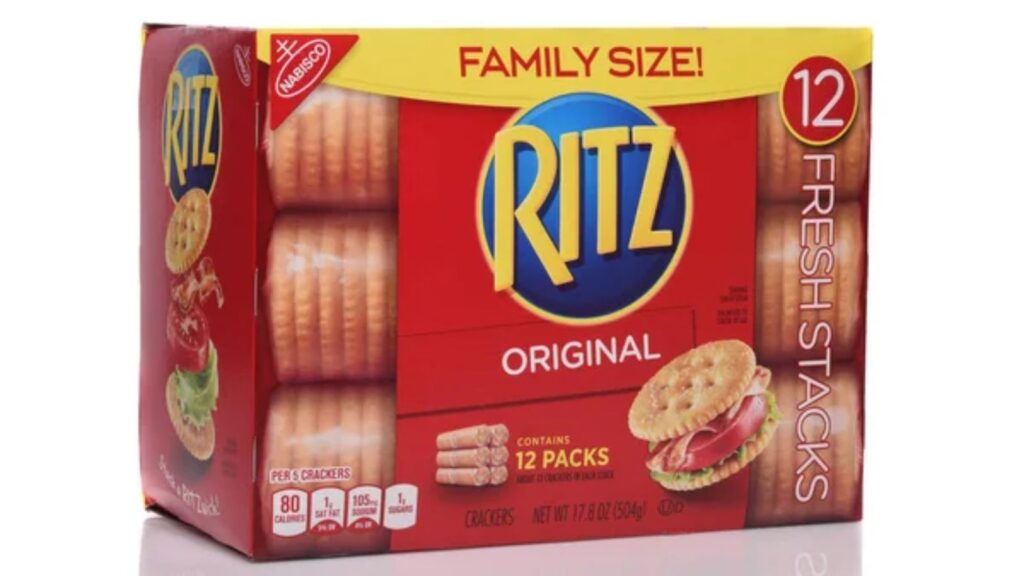
Ritz Original Crackers
Ritz crackers may seem like a simple pantry staple, but some versions have contained partially hydrogenated oils, a source of artificial trans fats.
Countries including Denmark, Iceland, and Switzerland have long limited or prohibited artificial trans fats in foods, leading to restrictions or recipe changes for products sold there.
Certain Breakfast Cereals
Many colorful American cereals contain more sugar and artificial food dyes than similar cereals sold overseas.
Products like Froot Loops and Frosted Flakes are often reformulated for European markets, where ingredient rules are stricter. In some countries, artificial colors require warning labels because of concerns about their possible effects on children’s behavior.
Related: 27 Breakfast Bowls So Good, They Taste Like Dessert
Ranch Dressing
Ranch dressing is a refrigerator staple in many American homes, but some versions contain ingredients that aren’t accepted everywhere.
Titanium dioxide, once used to brighten certain foods, has been banned in the European Union over safety concerns. Depending on the recipe, ranch dressing sold in the U.S. may need reformulation before it can be sold in some countries.
Related: 24 Sauce Recipes That Make Everything Taste Better
Pop-Tarts
Pop-Tarts remain a popular breakfast treat in the United States, but their high sugar content and artificial ingredients have limited their appeal in some international markets.
Several countries have stricter standards for foods marketed to children, leading to different formulations or reduced availability.
Boxed Mac and Cheese
The bright orange cheese powder found in some American boxed macaroni and cheese products has drawn attention because of its artificial food coloring.
Certain dyes, including Yellow 5 and Yellow 6, require warning labels in parts of Europe, prompting manufacturers to produce different versions for those markets.
Related: 14 Old-Fashioned Recipes Grandma Knew By Heart and Made from Scratch
Farmed Salmon
Salmon itself isn’t banned, but some countries place tighter controls on imported farmed salmon because of concerns about farming practices.
The use of antibiotics, artificial color additives in feed, and environmental standards can affect whether farmed salmon from certain sources is allowed into particular markets.
Little Debbie Snack Cakes
Swiss Rolls, Cosmic Brownies, and other Little Debbie treats are packed with sugar, preservatives, and artificial ingredients.
European regulations limiting artificial trans fats and certain additives mean some of these snack cakes must be reformulated before they can be sold, while others aren’t widely available.
Mountain Dew
For many years, Mountain Dew contained brominated vegetable oil (BVO), an ingredient that was prohibited in several countries, including those in the European Union and Japan.
Although some manufacturers have since removed BVO from their products, earlier versions of the drink faced restrictions because of concerns about the additive. Artificial colors used in some formulations have also received additional scrutiny overseas.
Energy Drinks
Many American energy drinks contain high amounts of caffeine, sugar, and other stimulants.
Several countries have introduced age restrictions, sales limits, or ingredient regulations for certain energy drinks, particularly those marketed to younger consumers. Some products sold in the U.S. are reformulated before being sold internationally.
Coffee Mate Creamer
Coffee Mate has long been popular as a shelf-stable coffee creamer, but older formulations contained partially hydrogenated oils.
Countries with strict limits on artificial trans fats restricted products made with those ingredients. While many recipes have changed over the years, regulations still vary depending on the country and the specific version being sold.