Shopping at warehouse stores like Costco, Sam’s Club, and BJ’s can feel like an easy way to stretch your grocery budget. Buying larger packages can save money, but those savings disappear if food spoils, products lose their flavor, or you end up throwing away things you never got around to using.
Before filling your cart with oversized packages, think about how much your household can realistically use. These 12 everyday items are often better bought in smaller amounts.
Produce
Fresh fruits and vegetables have a limited shelf life, especially berries, leafy greens, and other delicate produce. Unless you’re feeding a large family or preparing meals for several days, smaller purchases can help prevent spoiled food and wasted money.
Related: Best Places to Buy Garden Seeds Online
Eggs
Eggs can keep for several weeks in the refrigerator, but a large carton may be more than you need if you cook with them only occasionally. Check the carton date and buy a size that matches your household’s eating habits instead of letting extras sit unused.
Related: Best Chicken Supplies To Buy From The Dollar Store
Skincare Products
Skincare and makeup products have expiration periods, and some can become contaminated after opening or repeated use. Buying smaller containers of products like mascara, foundation, and face creams can help you finish them before they expire or change in texture and smell.
Related: 10 Things Every Homesteader Should Always Buy at Thrift Stores
Spices and Dried Herbs
Dried herbs and spices gradually lose their aroma and flavor, so a giant container may sit in your pantry long after it’s at its best. Buy smaller jars unless you cook with a particular seasoning often, and store them in tightly sealed containers away from heat and moisture.
Related: 14 Things To Buy Monthly To Build Your Emergency Preparedness Supply
Cheese
A large block of cheese may cost less per pound, but it can develop mold or dry out before your household finishes it. Buy a smaller package if you use cheese only now and then, or freeze suitable varieties in portions if you know you’ll use them later.
Related: 15 Grocery Items Hiding More Chemicals Than Nutrients (and What to Buy Instead)
Condiments
Ketchup, mustard, mayonnaise, salad dressing, and other condiments can take months to finish, especially if you use them only for certain meals. Check storage instructions after opening and choose bottle sizes that match your habits, since a giant container can take up refrigerator space long after you’ve stopped using it.
Brown Rice
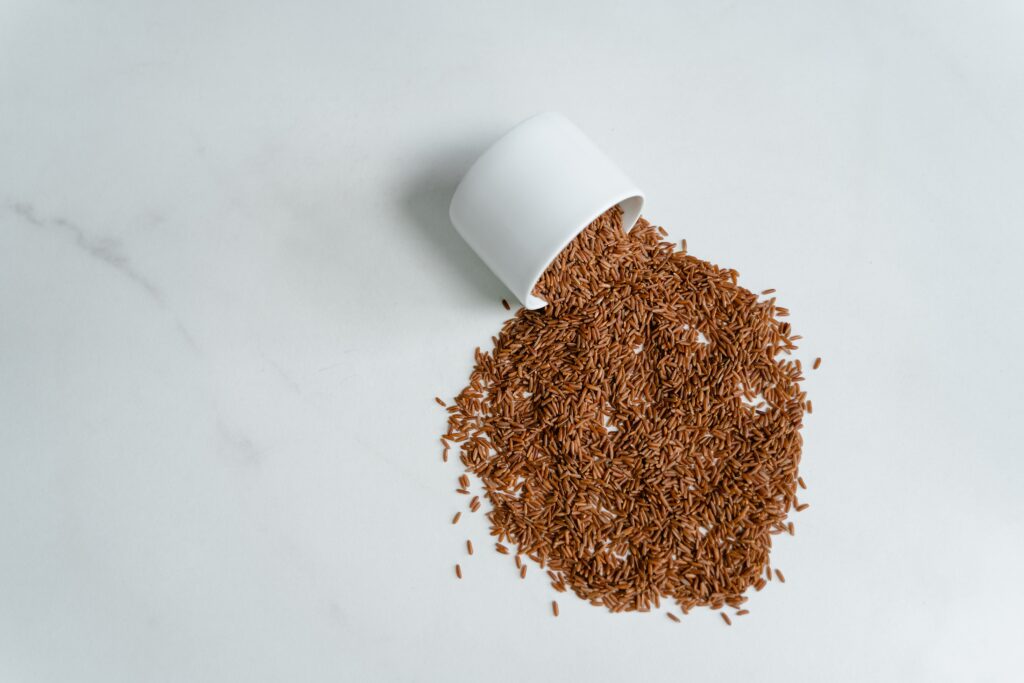
Brown rice contains natural oils that can go rancid over time, giving it an unpleasant smell or taste. Unless it’s a regular part of your meals, smaller bags are easier to use while fresh and store properly.
Flour
A large bag of flour makes sense for households that bake bread, cakes, or other goods every week. If you bake only occasionally, a smaller bag is easier to store and less likely to sit around long enough to attract pantry pests or develop an off smell.
Ground Coffee
Ground coffee gradually loses its aroma and flavor after you open the package, especially if it’s exposed to air, heat, or moisture. If you drink only a few cups each week, buy a smaller bag and keep it in a tightly sealed container.
Soda and Carbonated Drinks
Large cases of soda can be a poor buy if your household drinks them only once in a while. Unopened cans and bottles can last a long time when stored properly, but once opened, carbonation fades, so buy quantities that fit your usual consumption.
Bread
Fresh bread can develop mold before a large household finishes several loaves, especially in warm or humid conditions. Buying one loaf at a time can reduce waste, though freezing extra bread in well-sealed portions is a good option if you find a bulk deal worth keeping.
Milk
Large containers of milk may go bad before they’re empty if your household doesn’t drink much. A smaller carton may cost a little more per ounce, but it can be the better value if it helps you avoid pouring spoiled milk down the drain.