Getting ready for emergencies doesn’t have to drain your bank account. Whether you’re preparing for severe weather, building an emergency kit, or trying to rely less on store-bought conveniences, flea markets can be a good place to find useful secondhand gear at lower prices.
Many older products were built to handle years of regular use, and many still have plenty of life left. Before buying, inspect each item closely and make sure it’s safe, complete, and suited to the job you need it to do.
Here are 12 prepper finds worth keeping an eye out for at your next flea market visit.
Boots
A sturdy pair of boots can protect your feet during outdoor work, storm cleanup, and long walks when regular transportation isn’t available. Check the soles, tread, stitching, fit, and lining for cracks, mold, or excessive wear before buying.
Related: How to Stop Flea Beetles from Eating Your Garden
Backpack
A well-made backpack gives you a convenient way to carry water, clothing, first-aid supplies, and other emergency gear. Check every zipper, buckle, strap, and seam, and look inside for damage or lingering odors before handing over your money.
Related: 10 Secondhand Finds That Belong on Every Homesteader’s Shopping List
Flashlights
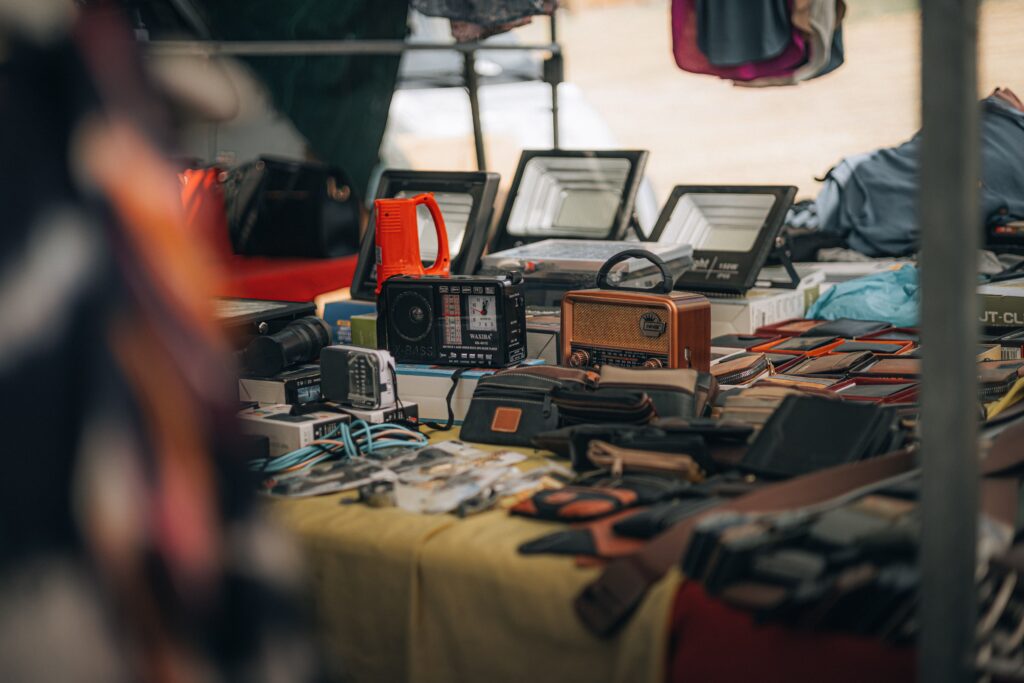
Look for sturdy flashlights that can provide light during storms, blackouts, or nighttime repairs. Test the switch and brightness before buying, then check the battery compartment for corrosion and keep fresh batteries at home.
Related: 14 Secondhand Items That Belong on a Budget Prepper’s Shopping List
Cast Iron Cookware
Cast iron pans can last decades with proper care, making them useful for campers and outdoor cooks. Surface rust can often be cleaned off, but skip cookware with deep pitting or cracks and season it properly before use.
Related: 15 Simple Prepper Hacks That Can Make Life Easier
Camping Gear
Tents, sleeping bags, lanterns, folding cots, and other camping supplies can cost much less secondhand than they do new. Check tents for damaged seams and missing poles, inspect sleeping bags for mold or odors, and test any equipment before relying on it during an emergency.
Durable Clothing
Warm jackets, rain gear, work pants, gloves, and thick flannel shirts can come in handy during outdoor chores or unexpected cold weather. Check zippers, fasteners, seams, and fabric condition, and make sure everything fits comfortably over the other layers you’d wear in bad weather.
Thermos
A sturdy insulated thermos can keep drinks warm or cold for hours during travel, outdoor work, or an emergency. Check the lid and seal for leaks, look for cracks or rust inside, and test how well it holds its temperature before adding it to your supplies.
Blankets
Wool blankets are useful for camping, cold nights, and keeping in a vehicle during unexpected winter delays. Look for clean blankets without moth damage, holes, mildew, or persistent odors, and wash or clean them according to their care instructions before use.
Canning Supplies
Flea markets can be good places to find glass canning jars, rings, and other food-preservation supplies at bargain prices. Inspect each jar for chips and cracks, and use new lids and tested canning instructions for safe home food preservation.
Fabric
Extra fabric can come in handy for patching clothing, making reusable cleaning cloths, sewing bags, and repairing household goods. Look for clean, sturdy pieces without mildew, insect damage, or serious wear, and wash them before bringing them into your home.
Hand Tools
Hammers, screwdrivers, pliers, wrenches, hand saws, and other basic tools are useful for everyday repairs, even when electricity isn’t available. Look for solid construction, secure handles, and working parts, since loose heads, cracked grips, and damaged blades can make a tool unsafe.
Manual Kitchen Tools
Hand-operated can openers, egg beaters, food mills, and manual grinders can still work during an outage when electric appliances are unavailable. Check that the moving parts turn smoothly, the handles are secure, and any food-contact surfaces are clean and free of rust.