

Imagine this: you’re out in the wild, and your usual food supply is gone—maybe you had to leave your stockpile behind, or maybe it simply ran out. Whether you’re bugging out, lost on a trail, or just learning to live more self-reliantly, knowing how to feed yourself from nature could mean the difference between making it through or going hungry.
Even with some stored food on hand, your body will still crave fiber, nutrients, and variety—and that’s where foraging comes in. The wild is full of edible plants, roots, nuts, and even weeds that can help you stay alive, energized, and functioning.
Below are sixteen wild foods you can find in forests, fields, and meadows—some are surprisingly common, and others take a keen eye to spot, but all are worth knowing if you ever need to rely on the land to survive.
1. Cattails

Found near freshwater, cattails are one of the most versatile wild foods. Cattails are often referred to as the superfood in the survival world.
The roots are starchy and can be boiled or roasted, the young shoots taste similar to
2. Acorns

Oak trees produce acorns, which are a rich source of carbohydrates and fats. However, they contain bitter tannins that must be removed by soaking in water before they can be safely consumed. Grind them into flour to make tortillas, flat bread, or biscuits, or eat them as they are.
What To Do With Those Fallen Acorns In the Yard
3. Pine Nuts

These nutritious seeds are found inside pine cones and provide essential protein and fats. To harvest, collect mature cones, dry them, and then crack the nuts open. Pinyon Pines are the best for harvesting pine nuts.
4. Dandelions

This common plant is entirely edible and packed with nutrients. The leaves can be eaten raw in salads or cooked like
5. Wild Berries

Wild raspberries, blackberries, and blueberries are excellent sources of vitamins and antioxidants. However, some berries are toxic, so it’s important to correctly identify berries. There’s an old saying: White and yellow, kill a fellow. Purple and blue, good for you. Red could be good, could be dead.
6. Wild Garlic and Onions
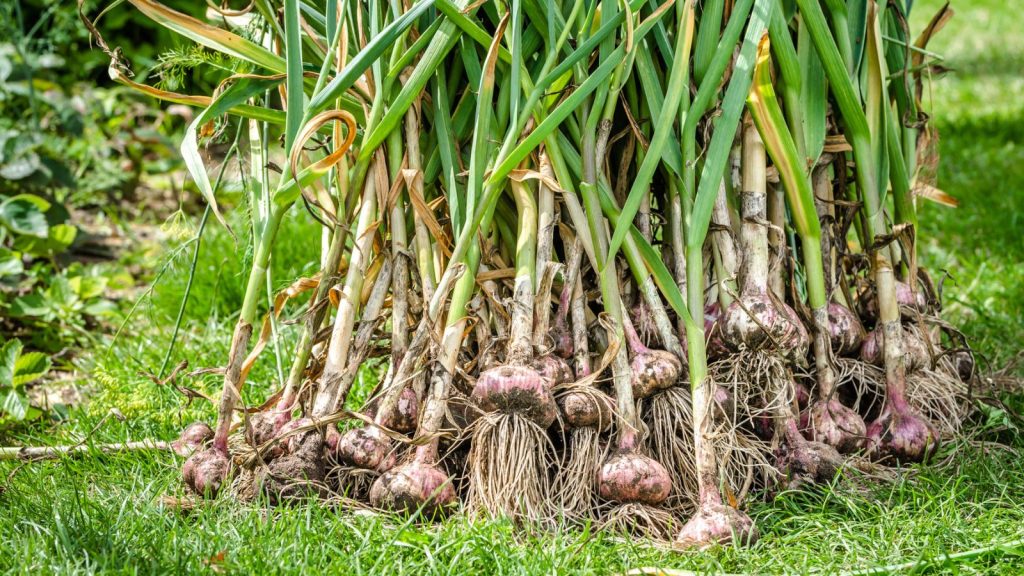
These pungent plants are easy to recognize due to their distinct smell. They add flavor to meals and provide essential nutrients, though caution is needed to avoid poisonous lookalikes such as death camas. If you’re not sure, don’t risk it.
7. Nettles

Despite their stinging hairs, nettles become safe to eat once cooked. They are rich in vitamins A and C, iron, and calcium and can be boiled into a nutritious soup or made into tea.
8. Mushrooms

Some wild mushrooms, such as morels and chanterelles, are edible and highly nutritious. However, many mushrooms are toxic, so unless you are absolutely certain of their identity, it’s best to avoid eating them. It’s just too risky.
9. Grasshoppers and Crickets

These insects are an excellent source of protein and can be eaten raw, though cooking them improves flavor and eliminates parasites. Roasting or frying makes them crispy and more palatable.
10. Seaweed

If you are near the coast, seaweed is an excellent survival food rich in iodine, minerals, and carbohydrates. It can be eaten raw, dried, or boiled. The best part—there’s never a shortage of seaweed.
11. Clover

Clover leaves and flowers are edible and can be eaten raw, added to soups, or brewed into tea. They have a mild taste and they grow abundantly in the wild.
12. Maple Sap

In early spring, tapping a maple tree yields a sweet, drinkable sap that provides a quick energy boost. Boiling it down produces syrup, but in a survival situation, it can be consumed directly from the tree.
11 Impressive Trees You Can Tap for Sap and Syrup
13. Bird Eggs
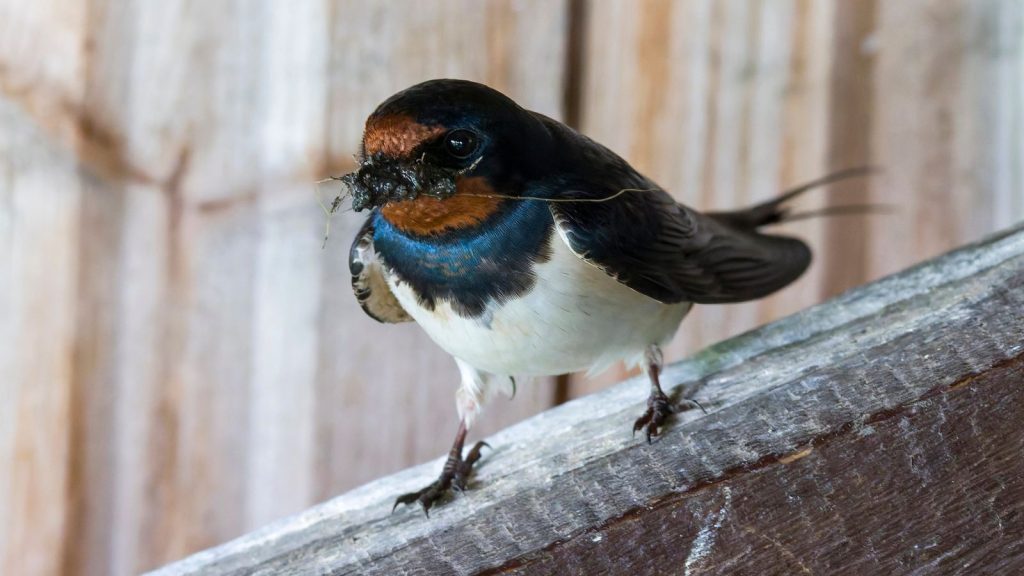
Wild bird eggs are a valuable source of protein and fat. If you find a nest, the eggs can be eaten raw in emergencies, though cooking them makes them safer and more palatable. This one can be tough, but food is food.
14. Cactus (Prickly Pear)

In desert environments, prickly pear cactus pads and fruit provide hydration and nutrients. Removing the spines is essential before eating. The pads can be cooked like vegetables, while the fruit is sweet and refreshing.
15. Beech Nuts

Beech trees produce small, triangular nuts that are high in fat and protein. They can be eaten raw or roasted, though consuming them in large quantities raw may cause mild toxicity.
16. Dock Leaves

Dock leaves are commonly found in fields and near water sources. They can be eaten raw, though they are slightly bitter, or cooked to reduce their acidity, making them a good survival green.
18 Survival Skills Our Great-Grandparents Knew That Most Of Us Today Don’t

Many activities were once essential survival skills, but today, they’ve been forgotten by many. While technology has certainly made life easier, previous generations didn’t have these systems, making them far more self-sufficient. Here are 18 basic skills they mastered that many people today have no idea how to do.
18 Survival Skills Our Great-Grandparents Knew That Most Of Us Today Don’t
19 Survival Items You Should Stockpile from Dollar Tree

Stockpiling can get expensive, but Dollar Tree offers affordable items that can help you stay prepared without overspending. With plenty of useful options, Dollar Tree makes it easier to stay ready for anything. Here’s a list of 15 essential items you can find at Dollar Tree to start building your stockpile today.
19 Survival Items You Should Stockpile from Dollar Tree
15 Plants Every Prepper Should Grow for a Self-Sustaining Survival Garden

True preparedness lies in sustainability—cultivating food and plants that can support your family when trips to the store or pharmacy are no longer an option.
15 Plants Every Prepper Should Grow for a Self-Sustaining Survival Garden

Tamara White
Tamara White is the founder ofThe Thrifty Apartment, a home decor and DIY blog that focuses on affordable and budget-friendly home decorating ideas and projects. Tamara documents her home improvement journey, love of thrifting, tips for space optimization, and creating beautiful spaces.