As you plan your garden and decide what to plant, garlic is often a top contender. This kitchen staple is more than just a flavorful ingredient—it’s a garden powerhouse. Known for its natural pest-repelling properties, garlic helps improve soil health and can even enhance the growth and taste of certain crops.
However, not all plants thrive alongside garlic. Some crops struggle due to competition for nutrients, allelopathic effects (natural chemical interactions that inhibit growth), or mismatched growing conditions.
Planting garlic too close to incompatible plants can result in stunted growth, reduced yields, or even failed crops. Since garlic is a hardy perennial that can return each season—typically sprouting in spring and fall if not fully harvested—it’s important to plan your garden layout carefully. Here are some of the worst plants to grow next to garlic.
Beans
Image Credit: Deposit Photos
Garlic is one of the worst neighbors for beans. It can interfere with the nitrogen-fixing bacteria that beans rely on to grow strong and healthy. To get the best harvest, keep these two in separate areas of your garden.
Peas
Image Credit: Deposit Photos
Just like beans, peas don’t do well next to garlic because it affects the soil. Garlic can make it harder for peas to get nutrients, leading to weaker plants and a lower yield. Plant them far away from your garlic bed to keep your peas happy.
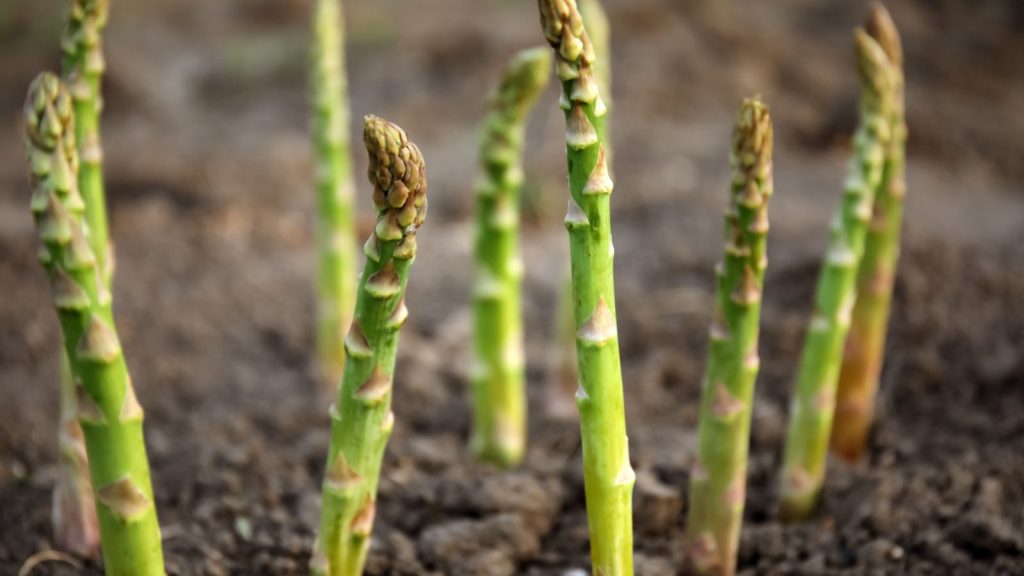
Asparagus
Image Credit: Deposit Photos
Asparagus is a slow-growing plant, and garlic can make it even slower. The strong presence of garlic in the soil can stunt asparagus growth and reduce its overall productivity.
Sage
Image Credit: Deposit Photos
Sage and garlic don’t mix well. Planting them together can weaken both plants. Garlic can stunt sage’s growth and even mess with its flavor, making it taste a little off.
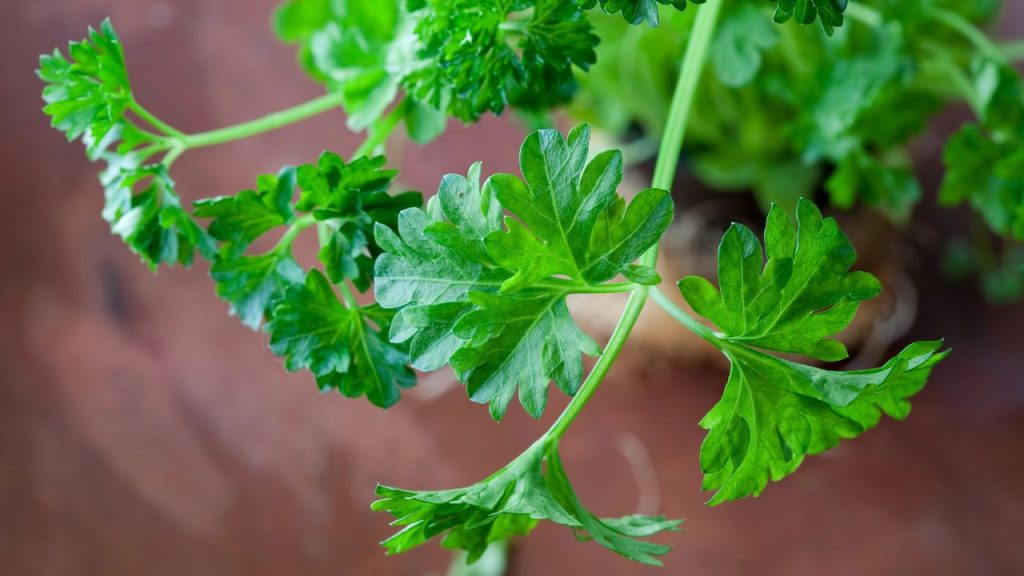
Parsley
Image Credit: Deposit Photos
Garlic and parsley both need a lot of nutrients, which can make them compete for resources when planted too close together. Instead of thriving, they can struggle, leading to smaller plants and weaker flavors.
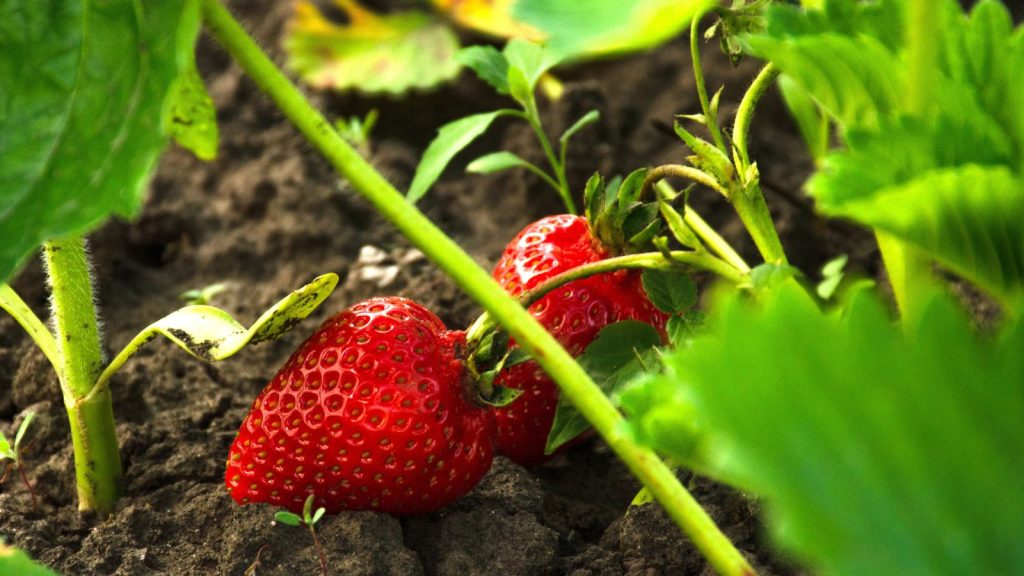
Strawberries
Image Credit: Deposit Photos
Planting strawberries near garlic can alter the soil environment in a way that strawberries don’t favor.
Leeks
Image Credit: Deposit Photos
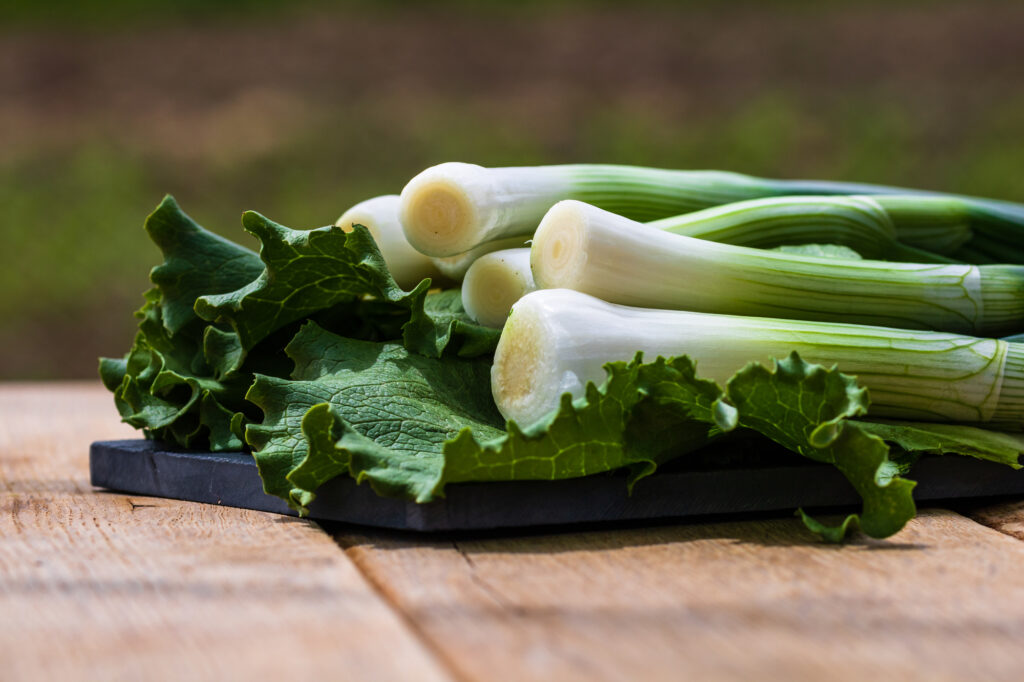
Leeks are prone to onion maggots, which can spread more quickly when alliums are planted in close proximity. They also compete for soil nutrients, which can stunt growth.
Lentils
Image Credit: Deposit Photos
Lentils need ample nitrogen in the soil, but garlic’s compounds may hinder their ability to fix nitrogen efficiently. Both lentils and garlic have relatively shallow root systems, leading to competition for nutrients and space.
Onions
Image Credit: Deposit Photos
Onions and garlic attract similar pests, such as onion maggots and thrips. Growing them together can increase the risk of infestations and the possibility of having similar pests feeding on them at the same time. Both compete for nutrients, leading to smaller bulbs and reduced yields.
Shallots
Image Credit: Deposit Photos
Shallots require similar nutrients and growing conditions as garlic, making them direct competitors for space, water, and nutrients. Close planting can increase the risk of fungal diseases, such as downy mildew.
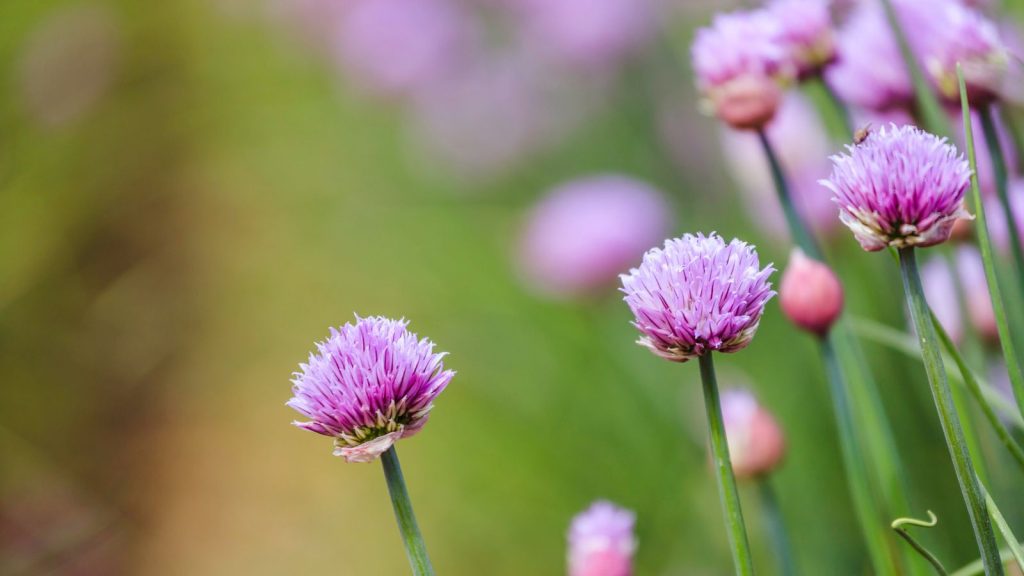
Chives
Image Credit: Deposit Photos
Chives are slightly more tolerant of garlic but still compete for nutrients in dense plantings. If planted too closely, garlic may overpower chives, leading to weaker growth.
Scallions
Image Credit: Deposit Photos
Like other onions, scallions attract similar pests and may experience stunted growth if grown right next to garlic. They tend to perform better when rotated into a different garden area rather than interplanted with garlic.
15 Shade Loving Perennials That Won’t Overrun Your Garden
Image Credit: Deposit Photos
If you’ve been hesitant to plant perennials in the shadier parts of your garden, these choices will change your mind. These hardy plants thrive without direct sunlight, bringing rich foliage and colorful blooms to areas where other plants might struggle.
21 Cheap Perennials to Grow That Will Make Your Garden Pop
Image Credit: Deposit Photos
You can fill your space with lush, eye-catching blooms with the right selection without overspending. Here are 21 affordable perennials bringing long-lasting beauty without stretching your wallet this year.