Raising chickens can be both fun and rewarding. Many people start with backyard chickens because they enjoy collecting fresh eggs every day. But caring for chickens involves more than just the eggs—they need proper attention, shelter, and food to thrive.
Here are 13 tips to help you start raising chickens with confidence and keep your flock healthy and happy.
1. Chickens are a Long-term Commitment

Getting chickens isn’t a short-term hobby; it’s a commitment that can last up to 10-15 years! Chickens can live a long, productive life if they are properly cared for, so be prepared for the long haul.
During their lifetime, you’ll need to be there at least twice daily to tend to your flock, ensuring they have food, water, and everything else necessary to keep them happy and thriving.
2. Lots of Unique Sounds

From morning crowing to clucking and squawking, chickens have a repertoire of sounds that can be lively and expressive. From the unique sound expressed when they’ve ‘Laid an Egg’ to the morning wake-up call. Some of these sounds may not be appealing to neighbors nearby.
3. Interesting Smells

And let’s not forget the smell—while chickens are relatively clean animals, their droppings and bedding can create some highly unpleasant odors. A good coop management routine is essential to keeping things in check and your neighbors happy.
4. Different Breeds Have Different Needs

Not all chickens are the same, and different breeds have distinct needs. The climate plays a part in choosing the perfect chicken breed – some cope well with heatwaves, while others prefer things a bit chillier. Check also what living conditions your preferred breed enjoys – will your flock be content to forage around in a run, or is a free-range lifestyle more their thing?
5. Temperaments Vary

Chickens, like people, have varied personalities depending on their breed. Some breeds are known for being friendly and kid-friendly, while others may be more aloof or even a little domineering.
6. Roosters May not be Permitted in Some Regions

It’s important to check local regulations before adding a rooster to your flock. Roosters are magnificent and play an important role in flock dynamics, but they can be loud and are sometimes restricted or banned in urban or suburban areas due to noise ordinances.
7. Protection Against Predators

Chickens are prime targets for predators – from raccoons to hawks, foxes, and stray dogs, various critters would love a free meal. It is worth spending the time to ensure your coop is secure with sturdy fencing, secure locks, and covered areas to keep your flock safe and sound.
8. Chickens need a Balanced Diet

To keep your chickens laying eggs and staying healthy, they need the correct balance of nutrients. At least 90% of their food intake should consist of a balanced chicken feed appropriate to the age of your flock. The remainder can consist of food scraps and vegetables; free access to grit should also be provided.
9. Consistent Access to Fresh, Cool water

It is easy to underestimate how much water chickens drink – these birds can get very thirsty! They are also skilled at muddying or knocking over their water and will be reluctant to drink warm water on a hot day. Make sure you have a water system that provides your hens with constant access to fresh, clean, cool water throughout the day.
10. Ample Coop Space

Chickens are social animals, but still need their own space to roost and relax. Generally, each chicken requires about 3-4 square feet of space inside the coop and around 8-10 square feet in the outdoor run. Roosting bars should be long enough to allow each bird at least 10 inches of roosting space.
11. Regular Health Check-ups
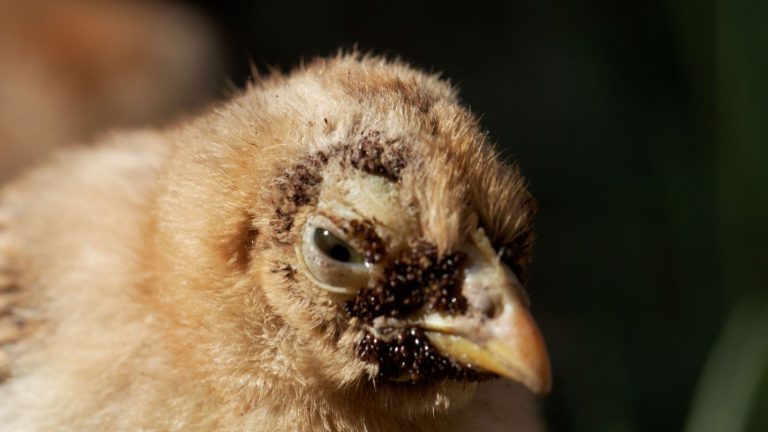
Chickens can sometimes hide their ailments until they’re quite sick, so regular check-ups are vital. Monitor them for any changes in behavior or appearance, and ensure you have a vet specializing in poultry to turn to if needed.
12. Space to Roam and Forage

The joy of rearing chickens is keeping them in more natural conditions than their commercially farmed counterparts. They love scratching around for bugs and pecking at grass, which keeps them active and entertained and provides additional nutrients.
13. Regular Egg Collection is Essential

Eggs left in the nest can become dirty or attract pests, so frequent collection helps keep them clean and encourages hens to lay more consistently. Make sure to number or date them to ensure the oldest eggs are eaten first.