Natural dyeing is a simple but fascinating process that uses plants to add color to fabric, yarn, and fiber. People have been using plant-based dyes for thousands of years, and you can do the same with materials from your own garden.
If you spin, weave, or knit, natural dyes offer a way to add unique colors to your projects. The results can be unpredictable, but that’s part of the appeal—each dye bath creates something one of a kind.
Here are 14 plants to consider growing if you want to start a natural dye garden.
Blue False Indigo (Baptisia australis)

Blue False Indigo is a hardy perennial known for its tall spikes of deep blue, pea-like flowers that bloom in late spring. It thrives in full sun or partial shade and grows up to 4 feet tall.
Traditionally used as a dye plant, its deep indigo hues were once a substitute for true indigo. This bushy plant prefers well-drained soil and is a beautiful, low-maintenance addition to any garden.
18 Brilliant Blue Perennials to Add Splashes of Color to Your Garden
Beets

Beets are fast-growing vegetables known for both their edible roots and greens. Beyond their culinary uses, they produce a strong, vibrant dye, yielding rich shades of red and pink.
Coreopsis
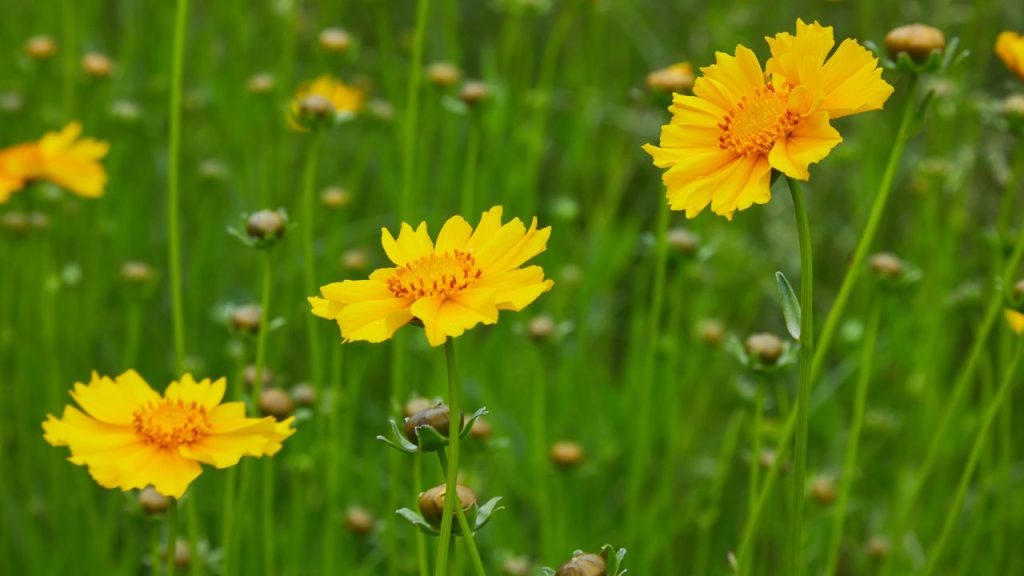
Coreopsis is a bright prairie wildflower that adds cheerful yellows and warm oranges to dye baths. It grows well in sunny locations and prefers protection from frost. For the best color, harvest the flower heads fresh and use them immediately for dyeing.
Blackberries
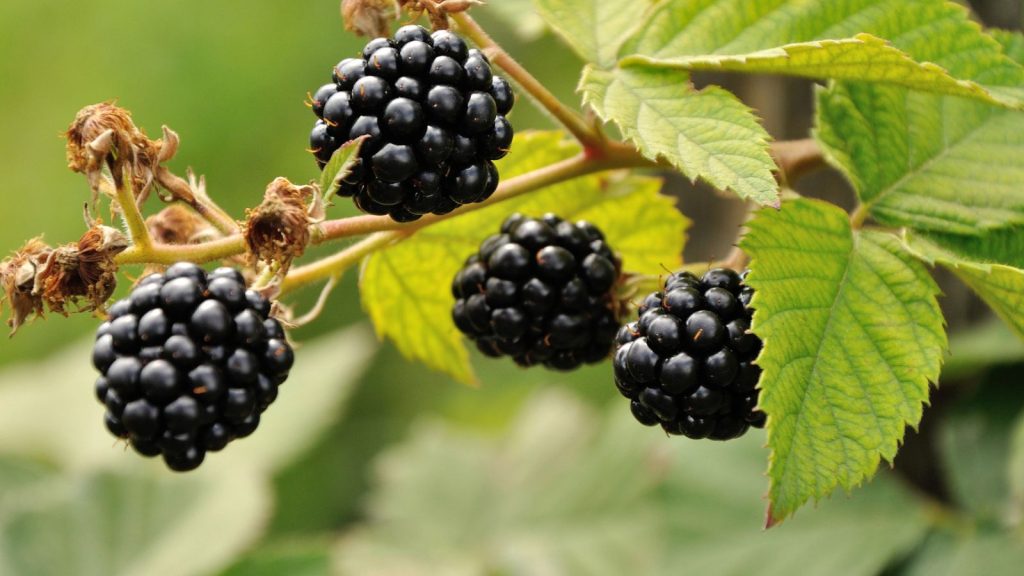
Blackberries grow abundantly in backyards, parks, and even urban spaces. These late-summer fruits are delicious when eaten fresh or preserved in jams and jellies. They also create beautiful purple and blue dyes, making them a valuable addition to a natural dye garden.
Blueberries

Blueberries are edible fruits with stunning seasonal foliage. These hardy shrubs provide multiple benefits: delicate spring flowers, summer berries, and fiery autumn leaves. Their deep blue pigments also make an excellent natural dye. Blueberry bushes grow at a slow to moderate pace and thrive in acidic, well-drained soil.
12 Plants to Grow Alongside Your Blueberry Bushes to Keep Them Happy
Coffee Grounds
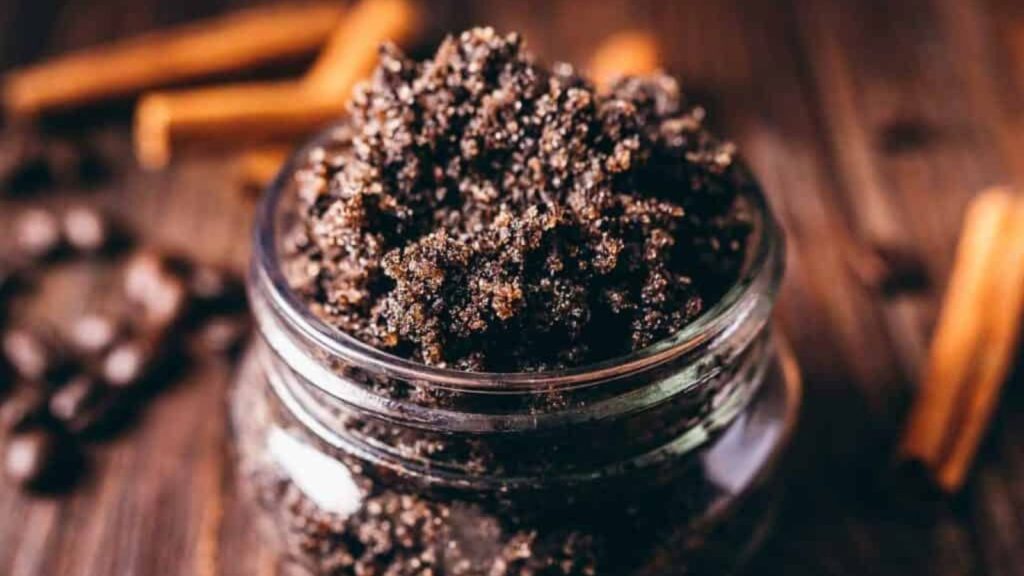
Used coffee grounds offer a sustainable and readily available dye source, producing warm, earthy browns. By repurposing something as common as coffee waste, you can create a rich, natural dye while reducing kitchen waste.
22 Plants That Thrive with Coffee Grounds
Hibiscus

Hibiscus flowers yield a beautiful range of pink and red dyes. Whether fresh or dried, the petals infuse fibers with vibrant hues. Hibiscus tea is also a refreshing beverage, making it a dual-purpose plant for dyeing and drinking.
Pomegranate

Pomegranates are well-known for their antioxidant-rich seeds, but their rinds also produce strong, long-lasting dyes in shades of yellow, beige, and even deep gold. This drought-tolerant plant is a great choice for warm climates.
Turmeric

Turmeric is a powerful spice that doubles as a natural dye, creating brilliant yellow and golden hues. The dried root is commonly used for dyeing fabrics and fibers. Turmeric is easy to grow in warm climates and is an excellent addition to a dye garden.
Calendula
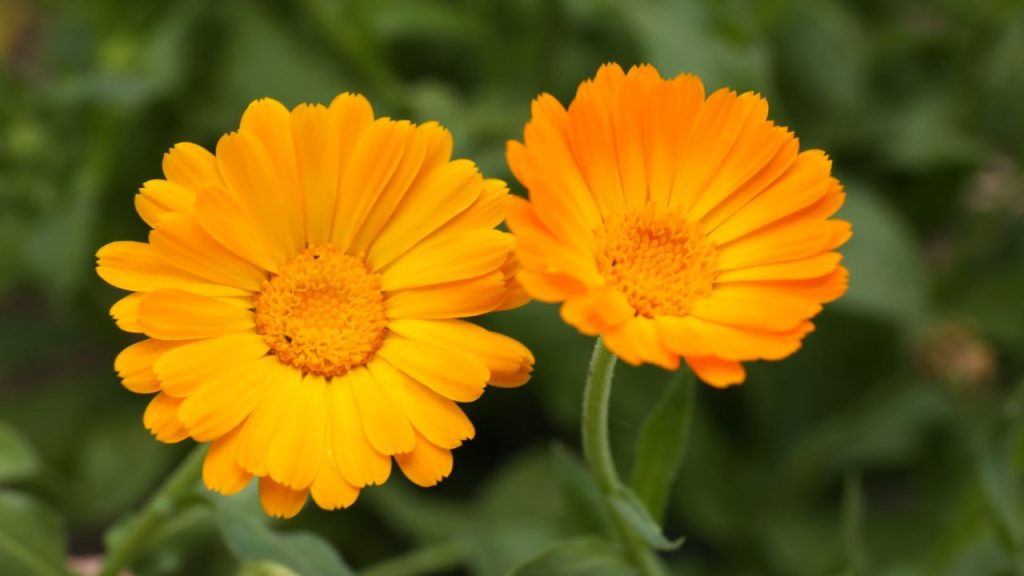
Calendula, often called pot
Goldenrod

Goldenrod is a tall, late-summer bloomer that lights up gardens with golden-yellow flower spikes. Contrary to common myths, it does not cause allergies—ragweed is often mistaken for it. Its bright flowers yield a soft yellow dye highly effective on natural fibers. In zones 3-9,
Yarrow

Yarrow is a hardy perennial with clusters of flowers in shades of yellow, pink, and red. It thrives in poor soil, full sun, and dry conditions. Beyond its use in dyeing,
St. John’s Wort
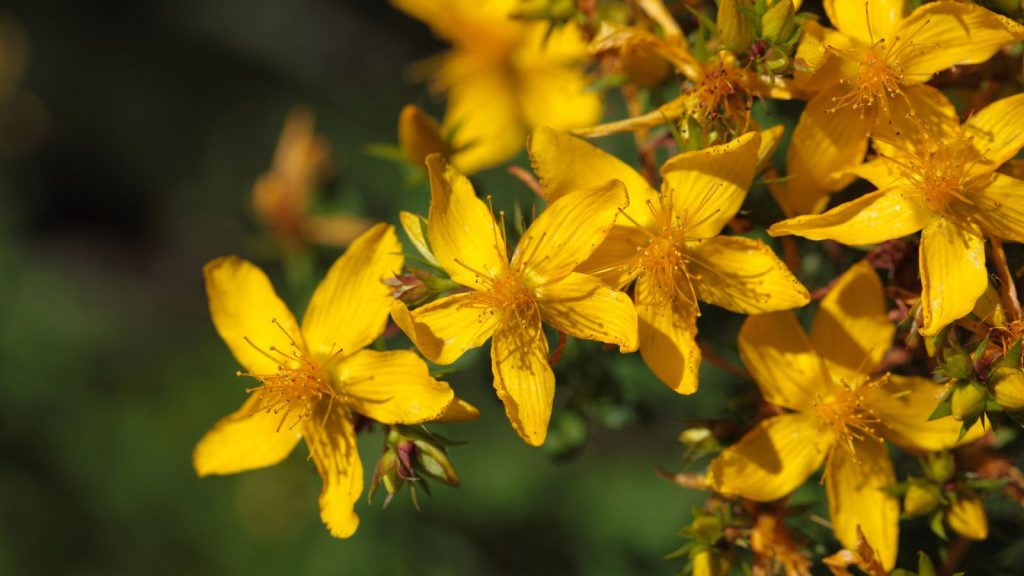
St. John’s Wort grows as a dense ground cover, suppressing weeds while supporting garden biodiversity. It produces warm, earthy dyes and is well known for its mood-boosting medicinal properties. This resilient plant can grow in various soil types and is a useful addition to both dye gardens and herbal medicine collections.
Elderberries
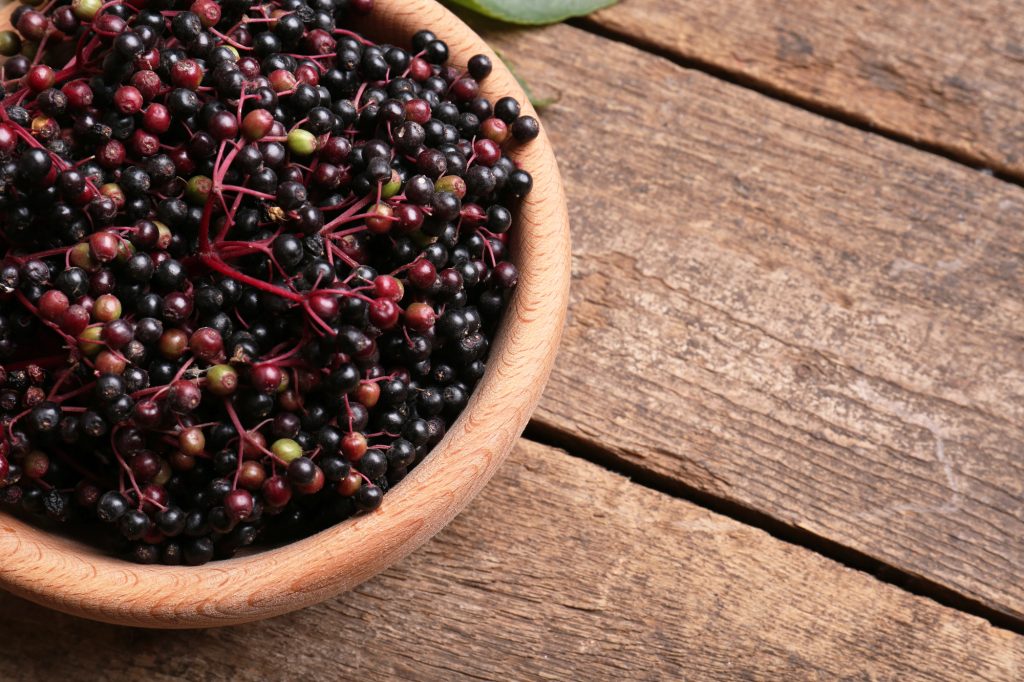
Elderberry bushes produce small, dark purple berries rich in antioxidants. These berries can be used for syrups, jams, and medicinal remedies—but they also create stunning natural dyes in shades of deep purple and blue. Elderberries thrive in moist, well-drained soil and are a fantastic addition to any edible and dye-friendly garden.
14 Pretty Flowering Shrubs and Bushes to Boost Curb Appeal
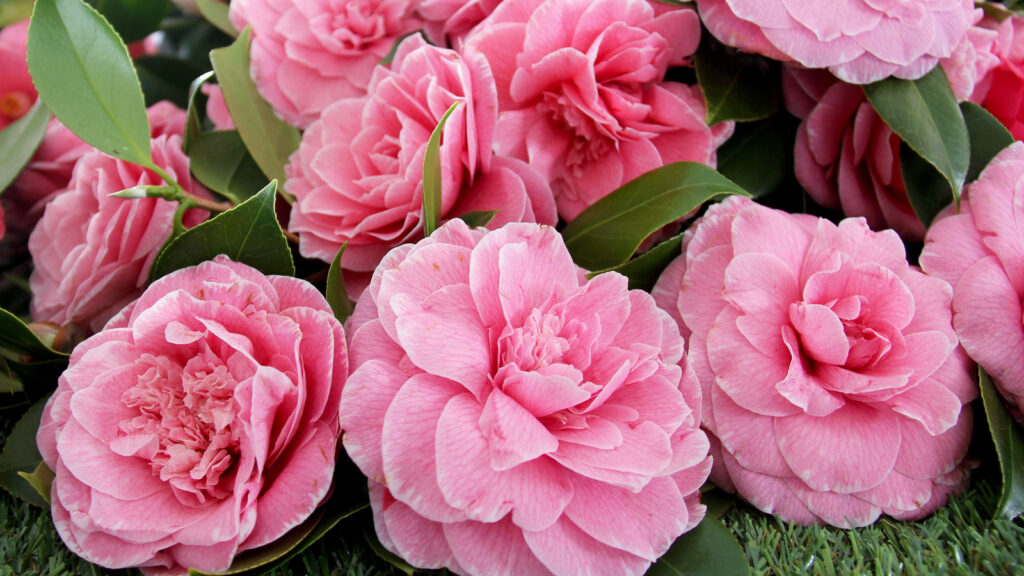
Choosing the right shrubs and bushes is important for both appearance and functionality in your landscape design. These plants help increase your home’s curb appeal by providing color and beauty from spring through fall. Here are 14 attractive flowering shrubs and bushes to enhance your curb appeal.
14 Pretty Flowering Shrubs and Bushes to Boost Curb Appeal
20 Best Climbing Plants for Your Fences, Trellises and Pergolas

Climbing plants can dramatically transform your garden into an eye-catching feature, offering a unique way of ascending the structures they encounter. Here are the 15 best climbing plants to consider for your garden.
20 Best Climbing Plants for Your Fences, Trellises and Pergolas
19 Stunning Red Flowers to Add Bold Color to Your Garden

Adding red flowers to your garden introduces vibrant pops of color, creating a warm and lively atmosphere. Here’s a list of 19 varieties to brighten your garden, bringing in the perfect touch of spring and summer cheer.