Overwatering is something many gardeners experience, especially those just starting. Even when done with good intentions, too much water can harm plants.
Soil that stays soggy for too long can cause root rot, nutrient shortages, compacted soil, poor air circulation, stunted growth, and drooping leaves. Acting quickly can help your plants recover.
How fast soil dries depends on its type, environmental conditions, how much water was added, and how severe the overwatering was.
Whether you’re tending houseplants or an outdoor garden, creating well-drained conditions can help plants thrive and prevent future overwatering problems. Here are 14 ways to dry out wet soil and give your plants just the right amount of water.
1. Boost Airflow
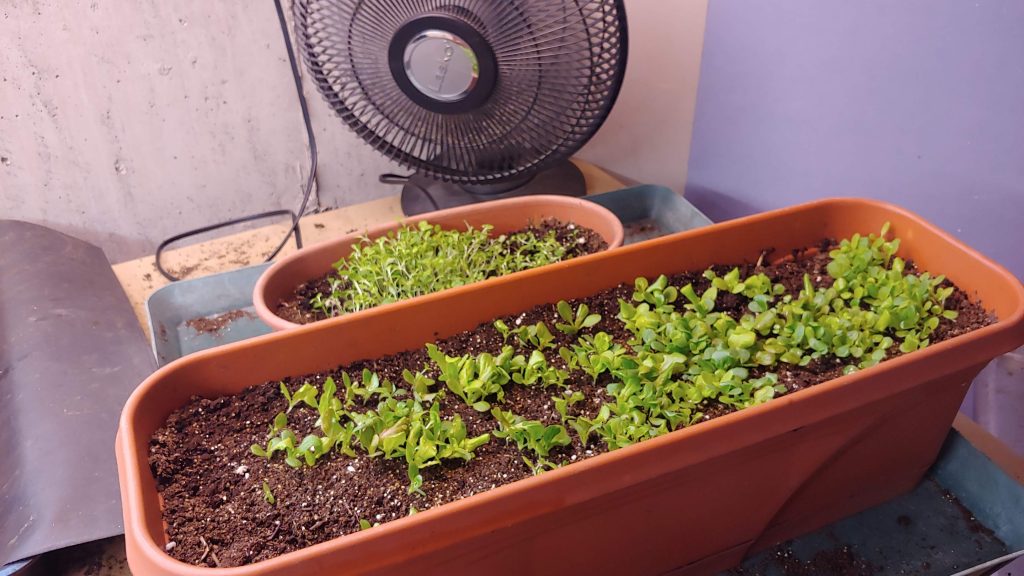
Set up fans around the area. The moving air speeds up evaporation, helping the soil dry faster.
2. Give it Sunlight

Let the soil bask in the sunlight. Sunlight will dry the soil and enhance evaporation.
3. Move it

To naturally dry out overwatered soil, relocate the plant to environments conducive to water evaporation. This could mean placing it by the windowsill or outside, where it can receive sufficient sunlight.
4. Break It Up

With a gentle touch, rake or fork through the top layer of soil. This loosens compacted areas, allowing moisture to escape and air to flow better.
5. Add Drainage Holes
If your container or raised bed doesn’t already have drainage holes, adding them can make a huge difference in preventing waterlogged soil. Without a proper way for excess water to escape, root systems can suffocate and rot over time. Drill or punch several holes in the bottom of the container to allow water to flow out freely through the drain hole.
Good drainage keeps oxygen circulating in the roots of your plant, helping them stay healthy even after accidental overwatering.
6. Remove Standing Water

If you spot any puddles, carefully scoop them out or dab them with towels. Every bit of excess water you remove helps.
7. Add New Soil
Try mixing in some fresh soil with the existing soil. This helps improve drainage, balance moisture levels, and evenly distribute water throughout the bed. It’s an easy way to help overwatered soil dry out more quickly and restore healthy growing conditions.
8. Add Absorbent Materials

Sprinkle straw, sawdust, or shredded newspaper over the soil. These materials soak up water and can be easily removed once they’ve done their job.
9. Improve Soil Structure

Mix in some
10. Lift Things Up

Consider raising your garden beds or pots if drainage is a chronic issue. This simple change can dramatically improve water flow away from plant roots and promote healthy roots.
11. Keep an Eye on Moisture
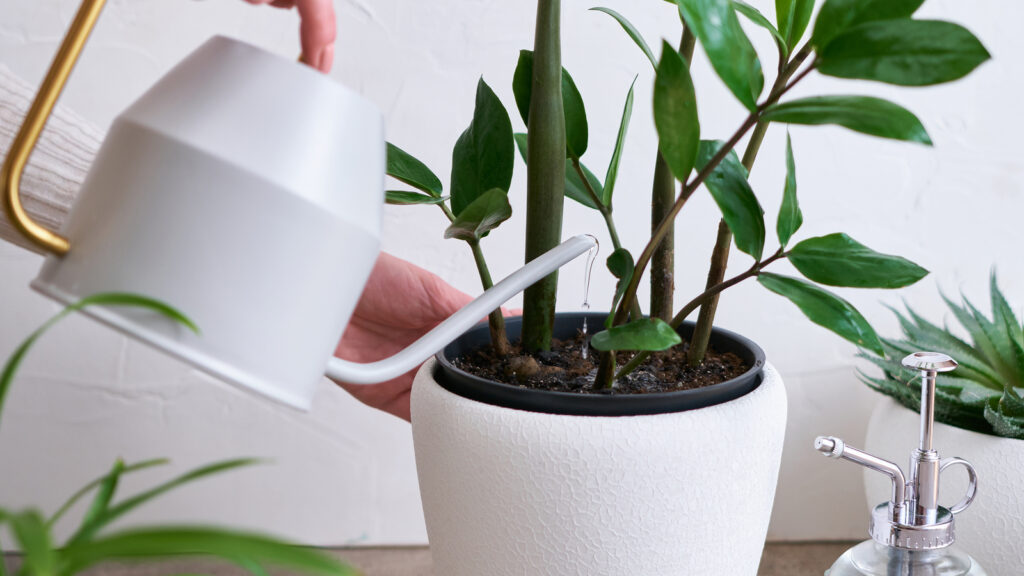
Use your finger or a moisture meter to check the soil. Wait to water again until it’s properly dried out and this time around, use less water.
12. Avoid Compaction

Try not to walk on or press down the wet soil. Keeping it loose is key for water to move and air to circulate.
13. Use a Dehumidifier for Indoor Spaces

If you’re indoors, a dehumidifier can work wonders by pulling moisture from the air, helping your soil dry out quicker.
14. Minimize Watering

Cease watering the soil immediately to prevent further saturation. In the future, adjust your watering practices to prevent future waterlogging. Allow the soil to dry out slightly between waterings, and avoid overwatering.