Most people toss used coffee grounds as soon as they finish brewing a pot. But before you throw them away, it’s worth knowing that those leftover grounds can still be useful around the house.
You can add them to compost, use them for certain cleaning tasks, or save them for crafts. Here are 14 ways to use used coffee grounds instead of sending them straight to the trash.
Add Coffee Grounds to Compost
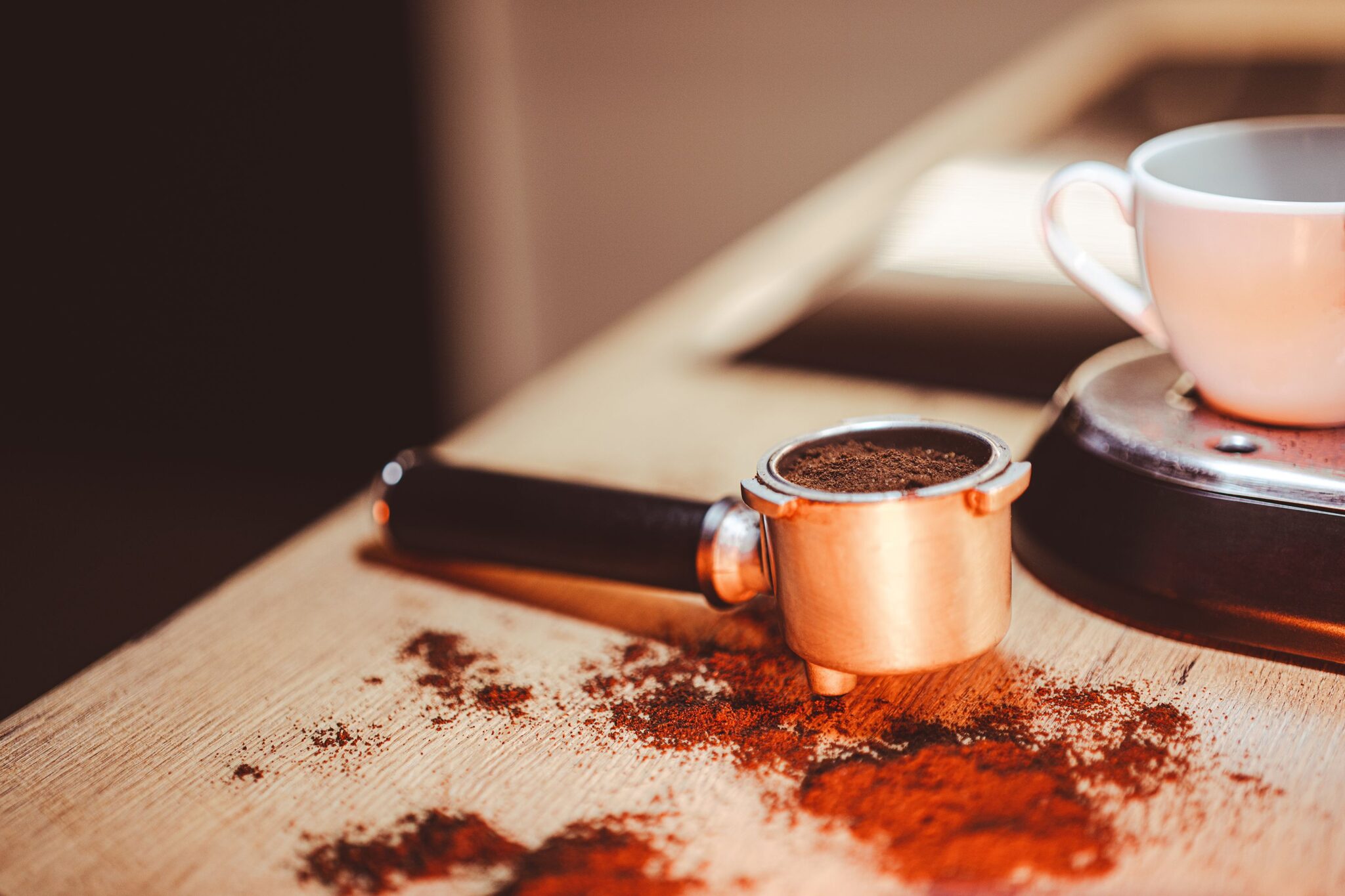
Used coffee grounds are a good addition to a compost pile because they contain nitrogen. Mix them with carbon-rich materials such as dry leaves, shredded paper, and cardboard to help balance your compost.
Avoid dumping a thick layer of grounds in one spot, since they can clump together and slow airflow. Spread them throughout the pile so they can break down along with the other materials.
Make a Body Scrub
Coffee grounds have a coarse texture that some people like using as a homemade body scrub. Mix a small amount with coconut oil or another skin-friendly oil, then gently rub it over your skin.
Rinse thoroughly after use, and don’t scrub too hard because the rough texture can cause irritation. Skip this on your face, sensitive areas, or any skin that’s already irritated or broken.
Make Homemade Soap
If you make soap at home, used coffee grounds can add texture and give the finished bars a speckled appearance. A small amount can also provide a slightly gritty feel for people who prefer an exfoliating soap.
Make sure the grounds are completely dry before adding them to your soap mixture. Use them sparingly, since too much can make the soap rough on the skin.
Add Them to the Garden
Coffee grounds contain organic matter and small amounts of nutrients, but they shouldn’t be treated as a complete fertilizer. You can add used grounds to your compost and work the finished compost into your garden soil.
Avoid spreading thick layers of coffee grounds directly around plants, since they can compact and interfere with water movement. Fresh coffee grounds can also affect plant growth, so used grounds are the better choice for most home composting projects.
Help Absorb Household Odors
Dry coffee grounds can help absorb some unwanted smells in places such as the refrigerator or pantry. Put a small amount in an open container and leave it where odors tend to collect.
Replace the grounds every few days or whenever they stop helping. Make sure they’re completely dry before storing them this way, since damp grounds can grow mold.
Try Them Around Ant-Prone Areas
Some people sprinkle used coffee grounds near spots where they’ve seen ants. The scent and texture may discourage some activity, but there’s little reliable evidence that this will solve an ant problem.
For a larger infestation, focus on finding and removing food sources and sealing entry points. You can also use ant baits labeled for indoor or outdoor use, following the directions carefully.
Related: How to Make a Borax Ant Trap
Don’t Use Coffee Grounds as a Flea Treatment for Dogs
Coffee grounds are sometimes suggested as a natural way to get rid of fleas, but they aren’t a proven flea treatment. Rubbing them into your dog’s coat can also irritate the skin and leave a mess.
Keep coffee grounds away from your pet’s mouth, since caffeine can be toxic to dogs if swallowed. Ask your veterinarian about flea treatments that are safe and suitable for your dog.
Make Minor Scratches on Dark Wood Less Noticeable
A light scratch on dark wood furniture can stand out, especially against a smooth finish. Some people use damp coffee grounds to darken small scratches, but the results can be uneven and may stain the surrounding area.
Test any mixture on a hidden spot before trying it on visible furniture. For a better match, use a wood touch-up marker or repair product made for the finish.
Remove Food Smells From Your Hands
Chopping garlic, onions, or other strong-smelling foods can leave your hands with an odor that soap doesn’t always remove. Rub a small amount of used coffee grounds between your hands, then wash them thoroughly with soap and water.
The gritty texture can help loosen residue, although your hands may smell a little like coffee afterward. Avoid using the grounds if you have cuts or irritated skin.
Use Them for Scrubbing Tough Messes
The coarse texture of coffee grounds can help loosen grime from some durable items. Try a small amount with water on a sturdy pot or pan, but check the manufacturer’s cleaning instructions first.
Don’t use coffee grounds on nonstick cookware, delicate finishes, porous materials, or surfaces that scratch easily. The grounds can also leave stains, so rinse the area thoroughly after cleaning.
Don’t Rely on Coffee Grounds to Repel Mosquitoes
Coffee grounds are sometimes promoted as a natural mosquito repellent, but scattering them around your yard isn’t a reliable way to keep mosquitoes away. Some research has looked at the effects of coffee compounds on mosquitoes, but that doesn’t make used grounds a dependable outdoor repellent.
Get rid of standing water in buckets, plant saucers, and other containers where mosquitoes can breed. Use an approved insect repellent when spending time outdoors.
Make a Natural Dye
Used coffee grounds can give paper, fabric, and other craft materials tan and brown shades. This is a fun option for projects where you want a soft, uneven color rather than a bright or consistent dye.
Simmer the grounds in water, strain the liquid, and soak your material in the mixture. The final color will depend on the material, the amount of coffee used, and how long you leave it in the dye.
Add Them to Homemade Candles
Coffee grounds can give homemade candles a rustic, coffee-inspired look. If you’re making candles, use only a small amount of completely dry grounds and keep them away from the wick.
Be careful with this project because plant material and other solid additives can affect how a candle burns. Follow candle-making safety guidance, and don’t burn a candle containing grounds if the wick or flame behaves unpredictably.
Share Them With a Community Garden
If you make coffee every day, you may end up with more used grounds than you can use. Ask a nearby community garden if it accepts coffee grounds for its compost pile.
Local composting programs, gardening groups, and neighbors with compost bins may also be happy to take them. It’s a simple way to keep a common kitchen leftover out of the trash.