When most people think about survival skills, they picture someone starting a fire in the wilderness, building a shelter, or stocking up on emergency supplies. But some of the most useful skills you can learn have nothing to do with preparing for the end of the world.
Think about it. Gardening teaches you how to grow food, sewing helps you repair things instead of replacing them, and even thrifting can teach you how to find useful supplies without spending a fortune. These are hobbies people enjoy every day, but they can also come in handy when money is tight, the power goes out, or everyday conveniences aren’t available.
Hiking
Hiking might seem like just a way to get outside and enjoy fresh air, but it’s more than walking. You learn to pay attention to the weather, recognize landmarks, read trail signs, and figure out where you’re going without constantly checking your phone. Those skills can be especially helpful if you ever find yourself somewhere unfamiliar without cell service.
Fishing
Fishing has been a way to put food on the table for generations. It takes practice to understand where fish are likely to be, what bait to use, and how to handle your catch properly. Even if you usually fish for fun, you’re learning a skill that could help you provide food when it’s legal and practical.
Gardening
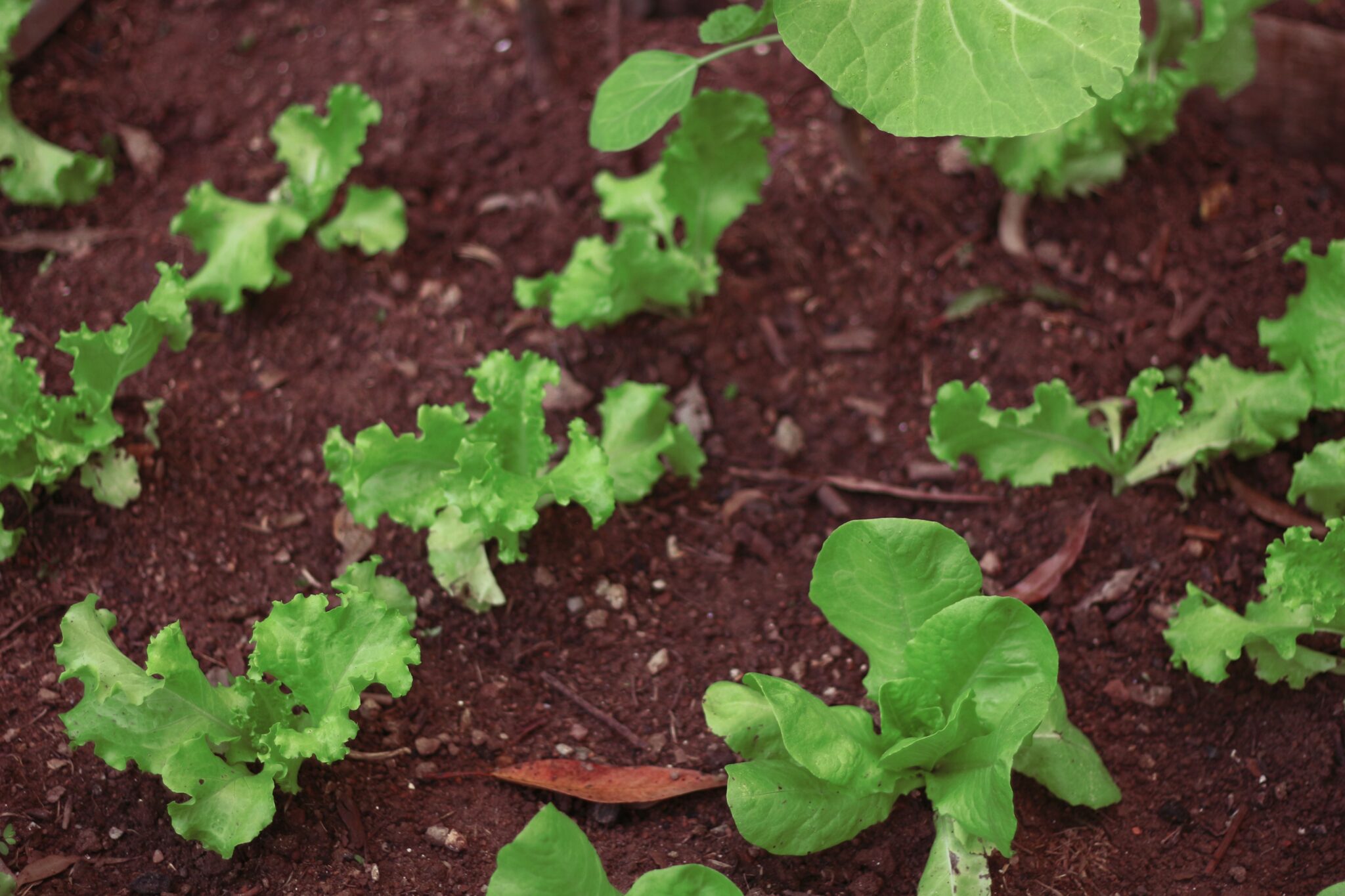
There’s a big difference between buying a tomato at the grocery store and growing one yourself. Gardening teaches you about soil, composting, growing seasons, and how to deal with pests when things don’t go as planned. Even if you’re only growing a few vegetables in containers, you’re learning how to produce some of your own food.
Sewing and Mending
Remember when people fixed their clothes instead of throwing them away? Learning how to sew a button, repair a torn seam, or patch a hole means you don’t have to replace something every time it gets damaged. It’s a simple skill that can save you money and help you get more use out of what you already own.
Baking Bread From Scratch
Making your own bread is one of those hobbies that can quickly become a regular part of your routine. Once you know how to work with flour, water, yeast, and salt, you can make everything from sandwich bread to flatbread without relying on store-bought loaves. It’s also a handy skill when you’re trying to stretch your grocery budget or make meals from pantry staples.
Related: How to Make White Bread in a Bread Maker
Canning and Food Preservation
Anyone who’s grown a vegetable garden knows that sometimes everything seems to ripen at once. Learning to safely can, freeze, or dehydrate food lets you put some of that harvest away instead of watching it go bad. It’s a skill that can help you waste less food, save money, and keep your pantry stocked, as long as you follow tested preservation methods.
Woodworking
You don’t have to be a professional carpenter to get something useful out of woodworking. Learning to measure, cut, and assemble can help you build garden beds, repair furniture, or make simple storage solutions around the house. And once you’re comfortable using basic tools, you may find yourself fixing things you would have otherwise replaced.
DIY Home Repairs
There’s something satisfying about fixing a loose cabinet door or patching a hole in the wall without having to call someone. Learning basic home repairs helps you understand how things work and gives you the confidence to handle smaller problems yourself. It can also save you money over time, as long as you know which jobs are better left to professionals.
Camping and Backpacking
Camping reminds you how many conveniences you normally take for granted. You learn how to pack what you actually need, set up shelter, prepare meals with limited supplies, and manage when the weather doesn’t cooperate. Even a weekend camping trip can teach you a lot about being comfortable without everything you have at home.
Related: 17 Essential Things You Need to Survive in the Wild
Foraging
Once you start paying attention to the plants around you, you’ll be surprised by how much there is to learn. Foraging teaches you about local plants, growing seasons, and how people have traditionally gathered food from the land. Just be careful: some edible plants have poisonous lookalikes, and you should always learn proper identification from a knowledgeable local expert.