If a major global catastrophe happened tomorrow, where would you have the best chance of surviving? You might assume a wealthy country with advanced technology, modern hospitals, and plenty of resources would be the safest place to be.
But it turns out that having all those modern conveniences doesn’t necessarily mean a country is better prepared for a major disaster. Something as simple as being able to grow enough food and keep essential services running could make a much bigger difference.
A study published in the scientific journal Global Challenges looked at which parts of the world might be better equipped to handle a global catastrophe. And one country stood out: Australia.
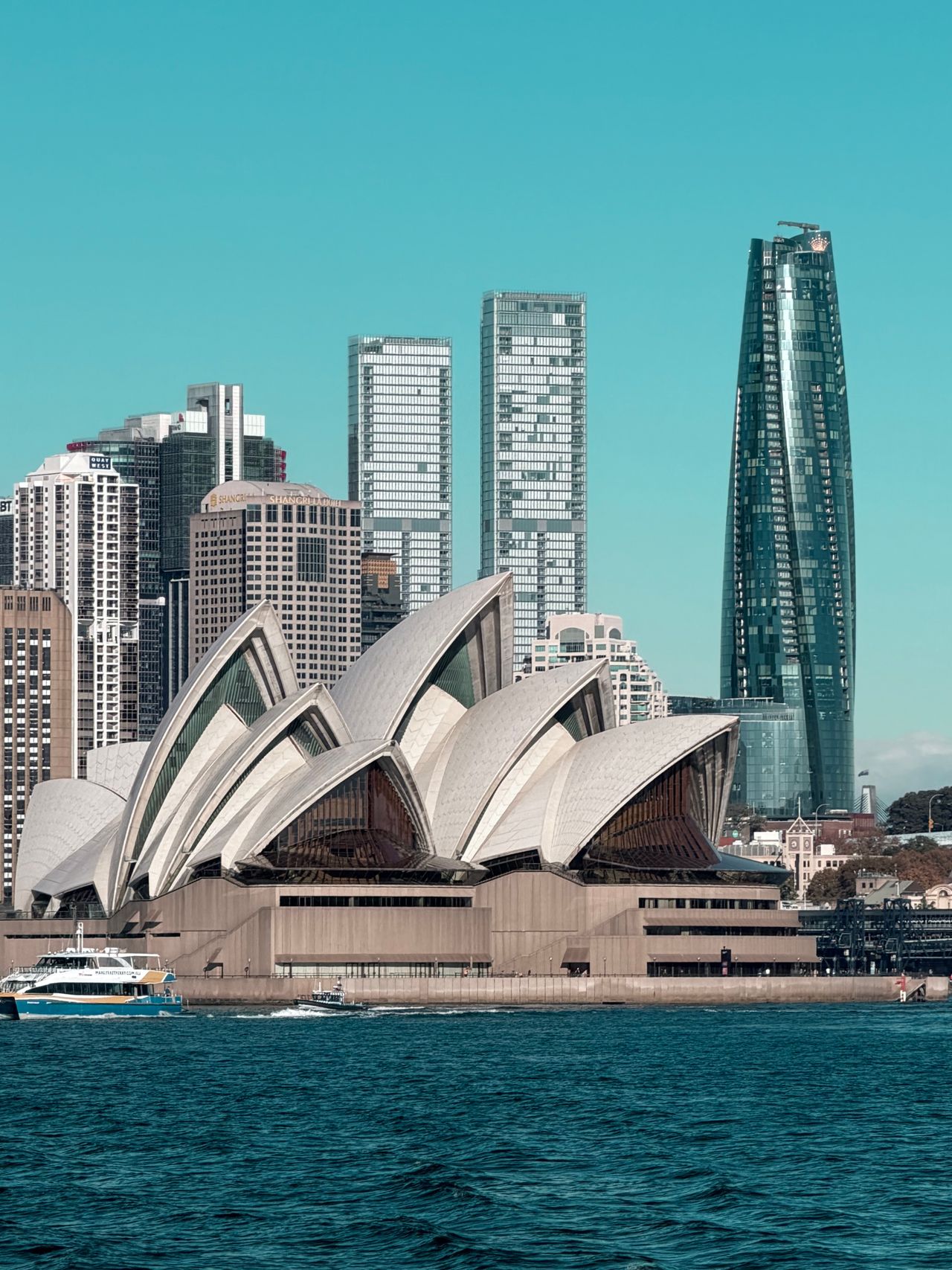
Why Australia came out on top
Australia has a few things working in its favor. For starters, it’s relatively isolated from much of the world, has plenty of agricultural land, and produces a substantial amount of its own food.
It’s also located in the Southern Hemisphere, farther from many potential nuclear targets. That geographic advantage, along with its energy resources and ability to grow food, could help the country get through a prolonged disruption better than some other places.
Of course, that doesn’t mean Australia would be unaffected by a global disaster. It simply has certain advantages that could help it recover and keep functioning.
Other countries that could have an advantage
Australia isn’t the only place that could fare better than others. Tasmania, an island state off Australia’s southern coast, along with New Zealand, Argentina, and Brazil, also have characteristics that could work in their favor.
Uruguay and Chile have some advantages, too, particularly when it comes to geography and food production.
But every place has its own challenges. New Zealand, for example, has plenty of agricultural land but also faces risks from earthquakes, volcanic activity, and tsunamis. And a country that might handle one type of disaster relatively well could struggle with another.
Why living in a big city could be a problem
Think about how much a city depends on things arriving from somewhere else. Grocery stores need regular deliveries, gas stations need fuel, and hospitals need a steady supply of medicine and equipment.
Now imagine those deliveries stopped for several weeks.
Even if there were plenty of food being grown elsewhere, getting it into the city could become a serious problem. And with so many people depending on the same limited resources, supplies could run low pretty quickly.
It’s something most of us don’t think about because these systems usually work so well. But when they stop working, even temporarily, everyday life can become difficult.
Related: 21 Essential Emergency Supplies That Every Home Should Have Stocked
Being able to grow food could make a big difference
One of the biggest advantages a country can have is the ability to feed its own population.
Think about it. A country could have all the money and technology in the world, but if it depends heavily on imported food, a major disruption to international trade could leave it in a difficult position.
Places with farmland, access to water, and reliable energy would have more options for keeping people fed and essential services running. Having those resources nearby could matter more than having access to expensive technology.
What this means for Americans
Most of us aren’t planning to pack up and move to Australia or Tasmania anytime soon. And there’s certainly no reason to assume a global catastrophe is around the corner.
But the findings do make you think about how much we depend on things we have very little control over.
We expect grocery stores to have food, clean water to come out of the faucet, and electricity to be available whenever we need it. Most of the time, that’s exactly what happens.
Still, we’ve all seen how quickly things can change during a major storm, extended power outage, or supply shortage.
Keeping some extra food and drinking water at home, knowing how to prepare meals without electricity, and even growing a few vegetables are simple ways to become a little more prepared without going overboard.
There’s no perfect place to survive a disaster
Australia may have some advantages, but that doesn’t mean it’s guaranteed to be safe during every possible catastrophe. Every country has weaknesses, and the outcome would depend heavily on what actually happened.
What makes this interesting isn’t necessarily which country came out ahead. It’s the reminder that some of the things we take for granted, like having enough food, clean water, and functioning infrastructure, are also the things we depend on most.
And you don’t have to be preparing for the end of the world to appreciate that.