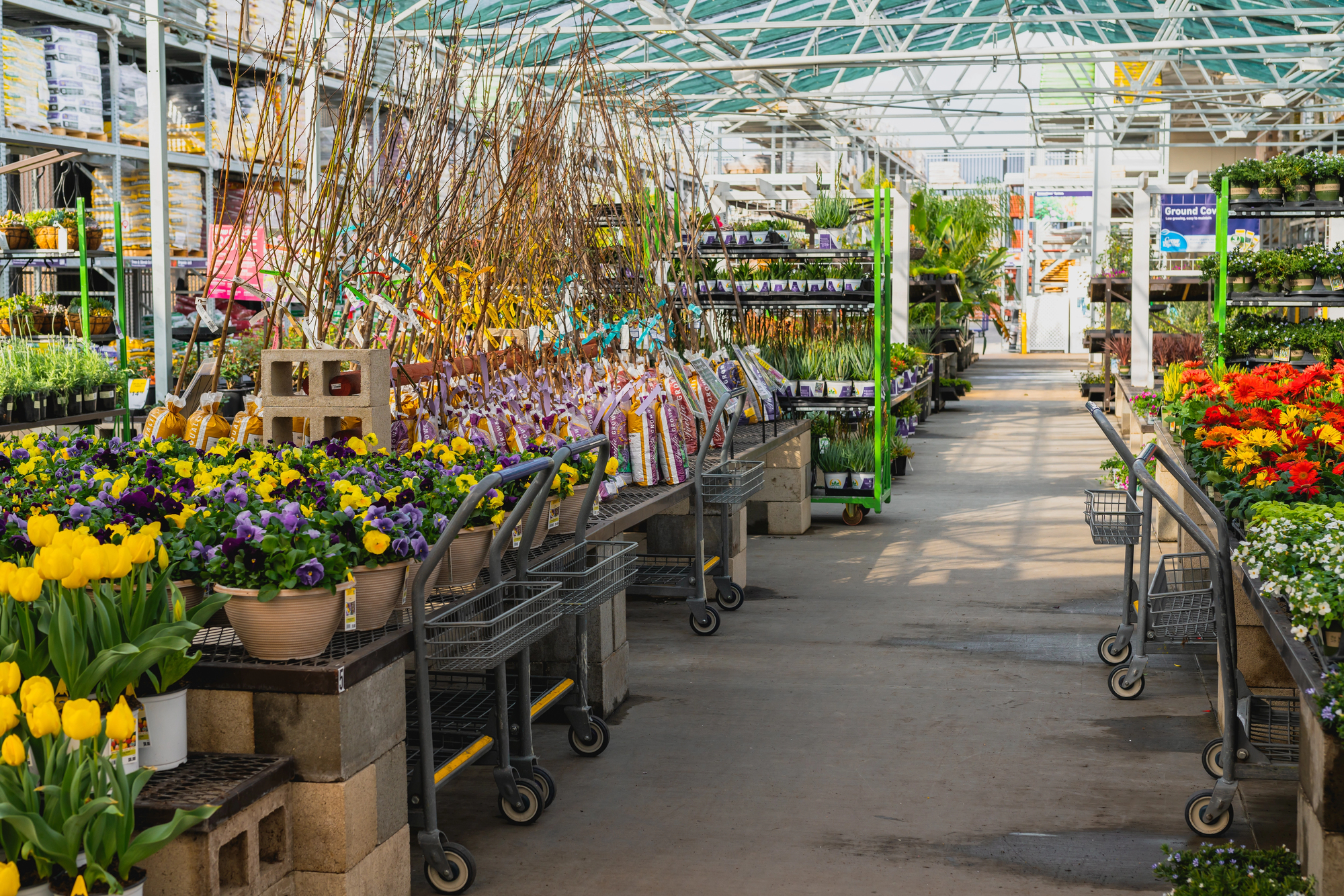
For years, Home Depot was one of my favorite places to shop for plants. It was convenient, the prices seemed reasonable, and I could pick up everything from potting soil to gardening supplies while browsing the garden center for something new to bring home.
But after spending more time gardening, I started paying closer attention to the plants I was buying. Some struggled shortly after I brought them home, and a few simply weren’t suited for my growing conditions.
Eventually, I realized that some of those inexpensive plants were costing me more time and money than I expected. These are some of the reasons I no longer rely on Home Depot for most of my plants.
Some Plants Have Already Been Through a Lot Before You Buy Them
It’s easy to forget how much handling plants go through before they reach the garden center. Many are grown elsewhere, loaded onto trucks, transported to stores, and then moved around until someone finally buys them.
Changes in temperature, watering, and light can stress plants, even when the damage isn’t immediately noticeable. I’ve become more cautious about buying plants that appear wilted, damaged, or neglected because they may need more attention than I’m willing to give.
I Don’t Want to Bring Pests Into My Garden
One of my biggest concerns when buying plants is accidentally bringing home something I didn’t bargain for. Spider mites, mealybugs, fungus gnats, and other pests can hide beneath leaves or in potting soil, making them easy to miss during a quick shopping trip.
I’ve learned to inspect plants much more carefully because introducing pests to an established collection can create weeks of unnecessary work. A cheap plant isn’t much of a bargain if you end up spending money protecting everything around it.
Related: 8 Common Pests That Could Ruin Your Fall Vegetable Garden
The Plant Labels Don’t Always Tell the Whole Story
I’ve picked up plants with tags that offered little more than basic watering instructions and a general suggestion for sunlight. Unfortunately, that isn’t always enough information to know whether a particular plant will work in your garden.
Some plants have very specific requirements, and I’ve found that doing my own research is often more helpful than relying entirely on the label. At a good local nursery, I can also ask questions about growing conditions before buying.
Not Every Plant Is Suited for My Growing Conditions
One thing I’ve learned over the years is that just because a plant is being sold at a local store doesn’t necessarily mean it will thrive in your garden. I’ve seen beautiful plants at Home Depot that looked perfect on display but weren’t the best choices for my climate, soil, or available sunlight.
Local nurseries often understand what grows well in the area, and I appreciate finding varieties more likely to succeed without a lot of extra work.
I’ve Seen Too Many Plants That Weren’t Properly Cared For
I’ve walked through garden centers and noticed plants sitting in direct sunlight when they clearly needed shade, while others looked like they hadn’t been watered in days. Sometimes the opposite happens, and plants are sitting in soaking-wet soil with yellowing leaves.
The frustrating part is that a plant can look perfectly fine when you buy it, only to start declining a few days later. By then, you’re left wondering whether the problem started at the store or after you brought it home.
I’ve Had Problems With the Potting Soil
Sometimes the problem isn’t the plant itself but what it’s growing in. I’ve purchased plants with compacted or overly wet potting mixes, which made watering difficult once I got them home.
In some cases, I ended up replacing the soil and repotting the plant almost immediately. When you add the cost of fresh potting mix, a new container, and the time involved, that inexpensive purchase starts looking a little less appealing.
It’s Harder to Get Reliable Gardening Advice
I don’t expect every Home Depot employee to be a gardening expert, especially when they’re responsible for helping customers across different departments. But when I’m buying something unfamiliar, I want to know how large it will grow, what conditions it needs, and whether it’s a good fit for my space.
That’s one reason I’ve come to appreciate local nurseries. Being able to speak with someone who knows the plants they’re selling can save me from making an expensive mistake.
Local Nurseries Often Have a Better Selection
Home Depot usually has plenty of familiar flowers, shrubs, and houseplants, but I’ve found that local nurseries often carry varieties I wouldn’t otherwise come across. This is especially helpful when I’m looking for native plants, unusual vegetables, or something specifically suited to my growing conditions.
I also enjoy discovering plants I hadn’t considered before and getting recommendations from people with local growing experience. That kind of knowledge can make a big difference when you’re trying to build a garden that lasts.
The Cheapest Plant Isn’t Always the Best Deal
I used to be drawn to inexpensive plants, especially when I spotted something on clearance. But I’ve learned that saving a few dollars upfront doesn’t mean much if the plant struggles, needs extra supplies, or eventually has to be replaced.
These days, I’d rather spend a little more on a healthy plant that’s well suited to my garden. In the long run, that can be a better value than repeatedly replacing plants that never really had a chance to thrive.
I’d Rather Support Local Nurseries When I Can
Another reason I’ve changed my shopping habits is that I enjoy supporting smaller, locally owned garden centers. Many of these businesses have spent years learning what grows well in the community, and that experience is reflected in the plants they carry and the advice they offer.
I also like building relationships with local growers who can help me make better decisions as my garden changes over time. It’s a more personal shopping experience than simply grabbing a plant off a shelf and heading to checkout.
I Haven’t Completely Given Up on Home Depot
I still stop by Home Depot for gardening supplies, and occasionally I’ll find a healthy plant that’s too good to pass up. Plenty of gardeners have great experiences buying plants there, and I don’t think every big-box garden center should be judged the same way.
But I’m much more selective than I used to be. I check the leaves for pests, look at the soil condition, research the variety, and make sure the plant fits my growing conditions before buying it.
For me, gardening is much more enjoyable when I’m spending time watching my plants grow rather than trying to figure out why they’re struggling. And after years of buying plants from different places, I’ve found that shopping at a good local nursery often gives me a better start.