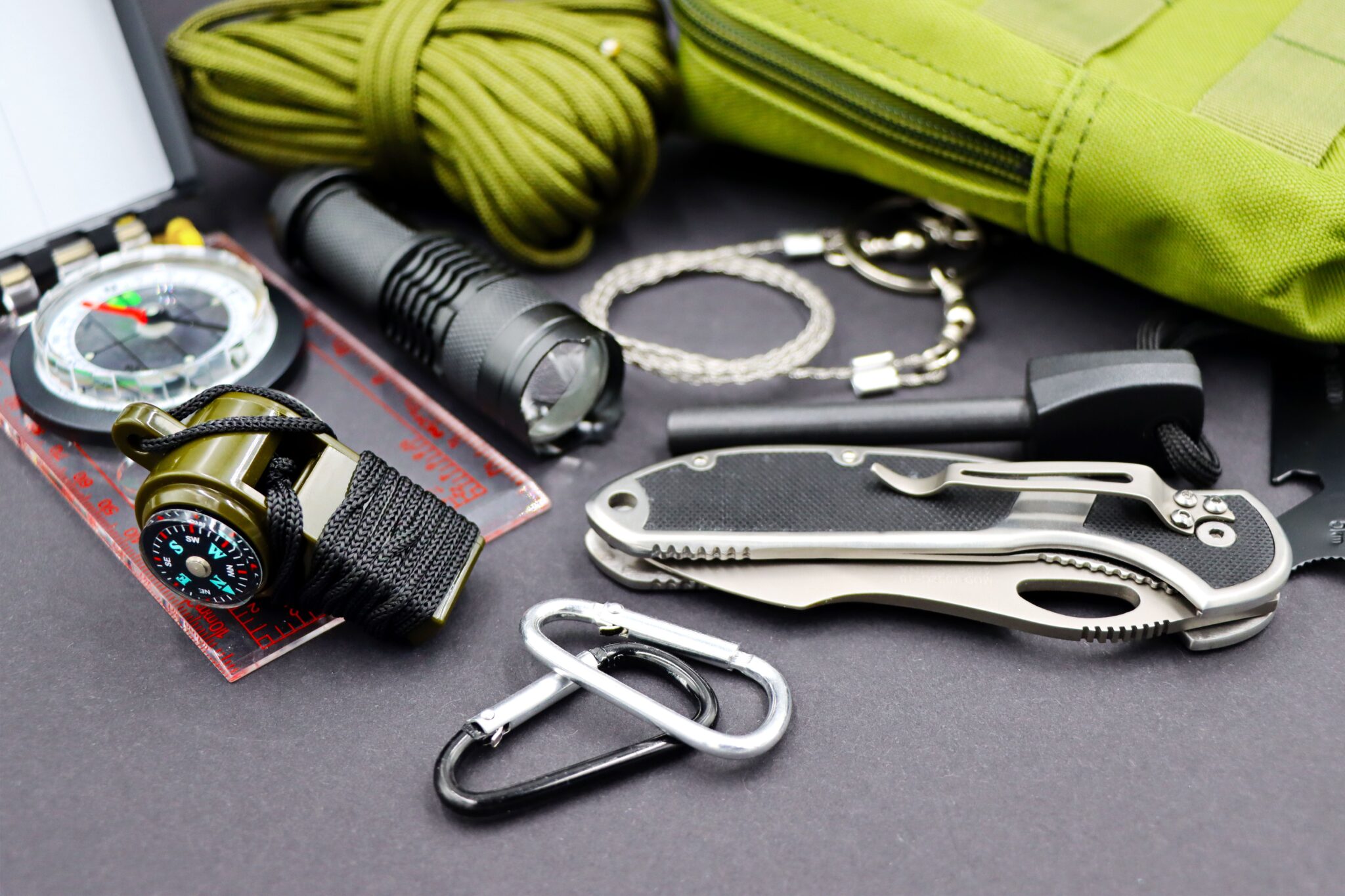
When you hear the word “prepper,” what comes to mind? A basement filled with emergency food, expensive survival gear, or someone preparing for the end of the world?
But some of the people who are best equipped to handle an emergency don’t have elaborate survival setups. They’re gardeners, homesteaders, and ordinary homeowners who keep extra supplies on hand because they’ve seen what happens when things go wrong.
An interesting conversation on Reddit raised the question of whether there’s a difference between being a prepper and simply being prepared. Some responses offered a different perspective on what it actually means to be ready for an emergency.
Being Prepared Doesn’t Have to Be a Lifestyle
For many households, preparing for an emergency is simply part of everyday life.
People living in hurricane-prone areas might keep plywood, bottled water, and a generator on hand. Those in colder climates may store extra blankets, flashlights, and food in their vehicles in case they become stranded during a winter storm.
None of these things necessarily makes someone a prepper. They’re practical precautions based on emergencies that could realistically happen.
One Reddit user summed up the distinction rather simply: “There is a difference between being a prepper and being prepared.”
Some of the Most Prepared People Are Already Living Self-Sufficiently
There’s something to be said for people who practice self-sufficiency every day rather than waiting for an emergency to put their skills to use.
Someone who grows vegetables, preserves food, raises chickens, or maintains their own property already has experience doing things that could become valuable when normal services are disrupted.
One commenter pointed out that the most prepared people they knew were homesteaders living off-grid in rural areas. They weren’t necessarily involved in prepper communities or collecting survival equipment. They were already practicing the lifestyle that others imagined adopting after a major disaster.
Of course, living off-grid doesn’t automatically make someone ready for every emergency. But knowing how to grow food, maintain equipment, and manage limited resources can be a considerable advantage.
Having Survival Gear Isn’t the Same as Knowing How to Use It
It’s easy to buy a portable radio, water filter, or emergency cooking stove and feel more prepared. But owning equipment doesn’t guarantee you’ll know what to do with it when the time comes.
A radio sitting in a drawer won’t necessarily help if you don’t understand its range, how to reach someone, or whether the person you’re trying to contact has compatible equipment.
The same principle applies to many emergency supplies. Learning how to use what you already own may be more valuable than continually adding new equipment to your collection.
Everyday Emergencies Deserve More Attention Than Doomsday Scenarios
Preparing for a major catastrophe might seem important, but smaller emergencies can create serious problems long before anything resembling a doomsday scenario occurs.
A prolonged power outage can leave a household without refrigeration, heating, or a way to cook. Flooding can make roads impassable, while severe winter weather can leave people stranded in their vehicles.
These are situations where relatively simple preparations can make a difference.
Keeping drinking water, nonperishable food, flashlights, batteries, and a basic first-aid kit readily available is a practical place to start. Knowing your evacuation routes and having a way to communicate with family members matters, too.
One commenter described the problem with focusing on extreme scenarios while overlooking the basics: “They’re imagining some world-ender event but are wholly unprepared for a flood or a tornado.”
Your Neighbors Might Be One of Your Most Valuable Resources
Emergency preparedness often focuses on what an individual household can store or accomplish alone. But when disasters happen, neighbors and local communities can become important sources of help.
Someone nearby might have a chainsaw to clear fallen branches, experience making home repairs, or a generator that can help keep essential equipment running.
Others may need assistance checking on older relatives, moving supplies, or getting information when communication systems are disrupted.
As one Reddit user explained, “The best preps are skills and community, followed by tools and supplies.”
Having a plan to help one another can be just as important as having extra supplies tucked away in a closet.
Being Prepared Doesn’t Require Spending a Fortune
Emergency preparedness has become a sizable market, with everything from specialized survival kits to tactical backpacks and expensive communication equipment.
Some of these products serve legitimate purposes, but that doesn’t mean every household needs them.
A few extra groceries purchased during regular shopping trips, a flashlight with working batteries, and a supply of drinking water can help you begin preparing without a major investment.
The same goes for learning practical skills. Basic first aid, food preservation, gardening, and simple household maintenance can all be useful outside of emergencies.
Rather than buying equipment for situations you may never encounter, it makes sense to consider the problems most likely to affect your household.
You Don’t Have to Call Yourself a Prepper to Be Ready
Perhaps the most interesting part of the conversation was how many people described taking emergency preparedness seriously while avoiding the prepper label altogether.
They kept extra food, maintained emergency supplies, prepared for severe weather, and made sure their families had what they needed. They simply didn’t consider those habits unusual enough to define their identity.
And maybe that’s worth remembering.
Being prepared doesn’t have to mean building a bunker, spending thousands on survival equipment, or planning for the end of civilization.
Sometimes it means having enough food to get through a storm, knowing how to shut off your water, keeping your car stocked for winter, or checking on a neighbor when the power goes out.
You don’t need to call yourself a prepper to do any of those things. You just need to be ready for the situations life might throw your way.