Most of us keep a bottle of rubbing alcohol tucked away in the medicine cabinet, usually for first aid. But this inexpensive household staple can do a lot more than you might expect, from removing stubborn sticky residue to tackling stains and cleaning everyday household items.
In fact, there are plenty of reasons to keep an extra bottle around that have nothing to do with cuts and scrapes. Here are 14 surprisingly useful ways to use rubbing alcohol around your home.
1. Clean Certain First-Aid Tools
Tweezers, scissors, and other small metal tools can collect dirt and germs after regular use. Rubbing alcohol can help disinfect suitable hard, nonporous items when used as directed.
Wipe the item with alcohol and allow it to air dry completely before storing it. For cuts and scrapes, use soap and clean running water instead of pouring rubbing alcohol directly onto the wound.
2. Remove Sticky Labels and Adhesive Residue
Reusing glass jars and containers is a great way to save money, but old labels can leave stubborn glue behind. Rubbing alcohol can help loosen some adhesives, so they’re easier to wipe away.
Apply a little alcohol to a cotton ball or microfiber cloth and dab the sticky area. Let it sit briefly, then rub away the residue and wipe the surface clean.
3. Get Relief From Itchy Bug Bites
A little rubbing alcohol can provide a temporary cooling sensation on the skin after an insect bite. Dab a small amount onto intact skin around the bite, not broken or irritated skin.
Keep in mind that alcohol can dry out your skin and may cause additional irritation. For ongoing itching or swelling, use an appropriate anti-itch treatment instead.
4. Start a Fire in an Emergency
Rubbing alcohol is highly flammable, which makes it a potential fire hazard around camping equipment and emergency supplies. Don’t use it as a DIY fire starter because its vapors can ignite unexpectedly and cause serious burns.
For emergency fire starting, keep purpose-made fire starters and matches in your survival kit. Never pour rubbing alcohol onto an existing flame, hot surface, or burning material.
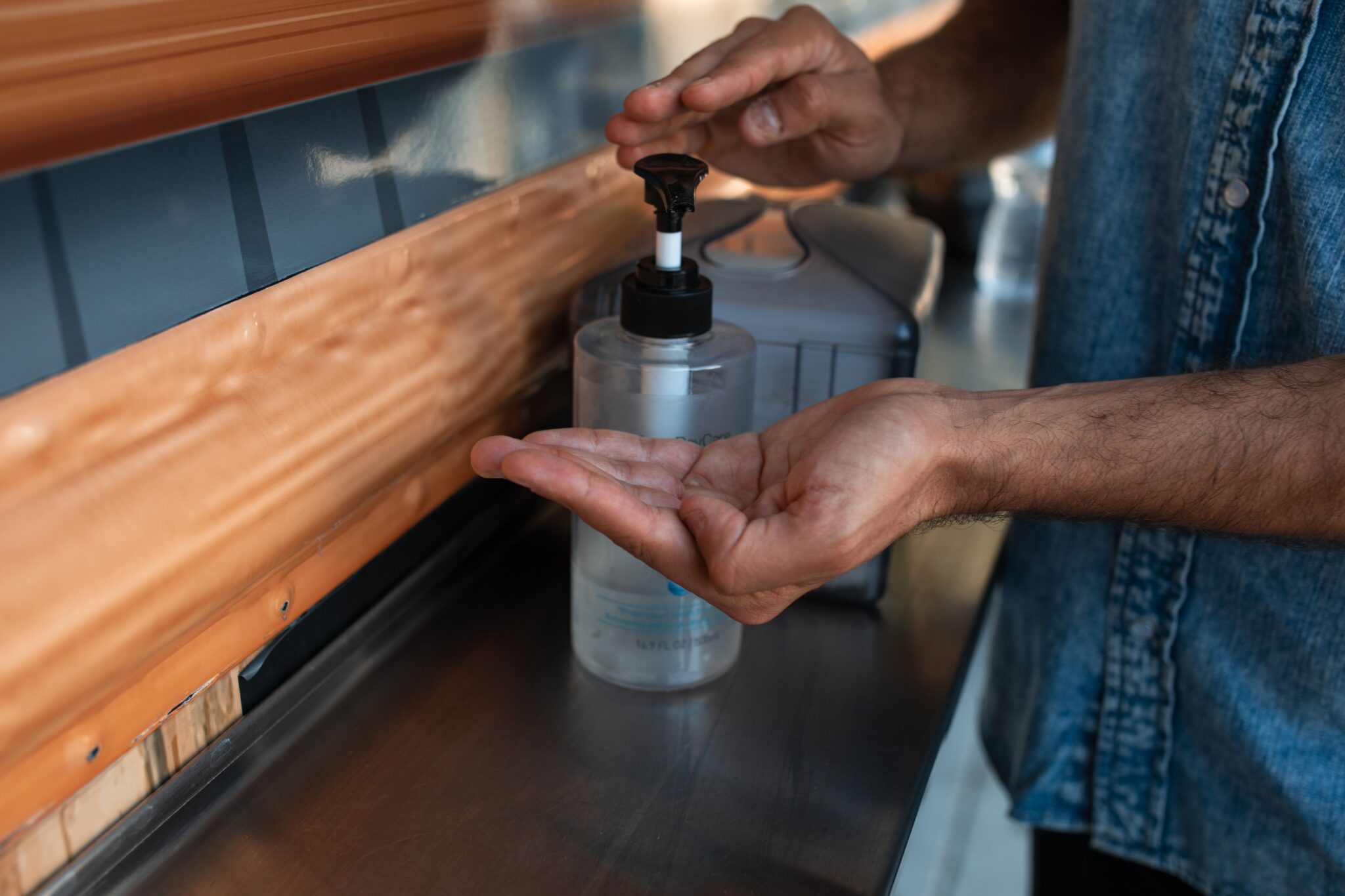
5. Make Hand Sanitizer
Isopropyl alcohol is one ingredient in alcohol-based hand sanitizers. Homemade sanitizer requires the correct alcohol concentration and carefully measured ingredients to work properly.
The World Health Organization’s handrub formulations provide established recipes using alcohol, glycerol, hydrogen peroxide, and properly treated water. Don’t guess at the proportions or substitute ingredients.
6. Freshen Up Tired Feet
After a long day of walking, hiking, or working outdoors, rubbing alcohol can provide a temporary cooling sensation because it evaporates quickly. Some people use a small amount on their feet for a quick freshening-up routine.
Apply it only to intact skin and avoid cracked heels, blisters, or irritated areas. Since alcohol can dry out skin, follow up with a moisturizer if needed.
7. Clean Tile Grout
Bathroom grout can collect dirt, soap residue, and mildew over time. Rubbing alcohol may help with spot-cleaning certain hard, nonporous surfaces.
Apply a small amount to a cloth, wipe the affected area, and use a suitable brush for stubborn dirt. Test a hidden spot first, especially if your tile or grout has a special finish.
8. Clean Children’s Toys
Hard plastic toys can collect fingerprints, dirt, and grime after plenty of playtime. You can use rubbing alcohol on some nonporous toys, as long as the manufacturer’s cleaning instructions allow it.
Apply a small amount to a cloth rather than soaking the toy, then allow it to dry completely. Never use alcohol on toys that children may put in their mouths, and keep the bottle out of their reach.
9. Disinfect Certain Household Surfaces
Frequently touched items such as doorknobs, light switches, and some hard surfaces can benefit from regular cleaning. Rubbing alcohol may disinfect certain nonporous materials when used at the correct concentration and left wet for the contact time stated on the label.
Apply it with a clean cloth and allow the surface to dry as directed. Avoid using it on delicate finishes, painted surfaces, or materials that alcohol may damage.
You can also make a homemade granite cleaner using castile soap, rubbing alcohol, and essential oils.
10. Remove Certain Stains
Ink, marker, and some makeup stains can be difficult to remove from clothing and upholstery. Rubbing alcohol may help break down certain stains before they become permanent.
Dab a small amount onto a clean cloth and blot the stain gently. Test a hidden area first because alcohol can cause fading or damage to certain fabrics and dyes.
11. Freshen Smelly Shoes
Shoes can develop unpleasant odors after hours of walking, exercise, or outdoor work. A light application of rubbing alcohol may help reduce some odor-causing bacteria on suitable shoe interiors.
Apply a small amount with a cloth rather than soaking the shoes. Let them air dry completely before wearing them again, and check the manufacturer’s care instructions first.
12. Clean Eyeglasses
Fingerprints, skin oils, and smudges can make glasses difficult to see through. Rubbing alcohol can clean some lenses and frames, but it may damage anti-reflective coatings and certain plastic materials.
Check your eyewear manufacturer’s care instructions before using it. A microfiber cloth and approved lens cleaner are usually the safer choices for everyday cleaning.
13. Control Small Weeds
Rubbing alcohol can dry out plant tissue, which may damage small weeds it contacts. Some people use it as a spot treatment for weeds growing between patio stones or in driveway cracks.
Be careful around grass, flowers, and vegetable plants because alcohol can damage desirable vegetation too. Avoid spraying it over large areas, particularly near plants you want to keep.
14. Make a Homemade Glass Cleaner
Rubbing alcohol is sometimes included in homemade glass cleaning recipes because it evaporates quickly. It can help remove fingerprints, oily smudges, and everyday grime from suitable glass surfaces.
You can pair it with vinegar in a simple homemade cleaner, as long as you use it on compatible surfaces. Keep the solution away from flames and heat, and never mix rubbing alcohol with bleach or other cleaning chemicals.
Other Topics You Might Like
- 10 Strange Things That Are Surprisingly Smart to Stockpile
- How to Clean a Wood Cutting Board
- 15 Safe Ways to Clean a Cast Iron Skillet Without Ruining the Seasoning
- 12 Things Professional Organizers Would Never Store Under the Kitchen Sink
- 12 Small Habits That Make a Big Difference in Keeping Your Home Clean