One of the best things about gardening is realizing you don’t always need to buy more plants. Many popular garden favorites can be grown from simple cuttings, turning one healthy plant into several new ones with very little effort.
For many gardeners, propagation feels a bit like a bonus. Snip a stem, give it the right conditions, and before long it starts growing roots of its own. It’s a great way to fill out garden beds, grow your collection, or share plants with friends without spending extra money.
Some plants take to this method especially well, rooting quickly and growing into strong, healthy plants. If you’re ready to grow more for less, here are 11 of the best plants to grow from cuttings.
Pothos Plant
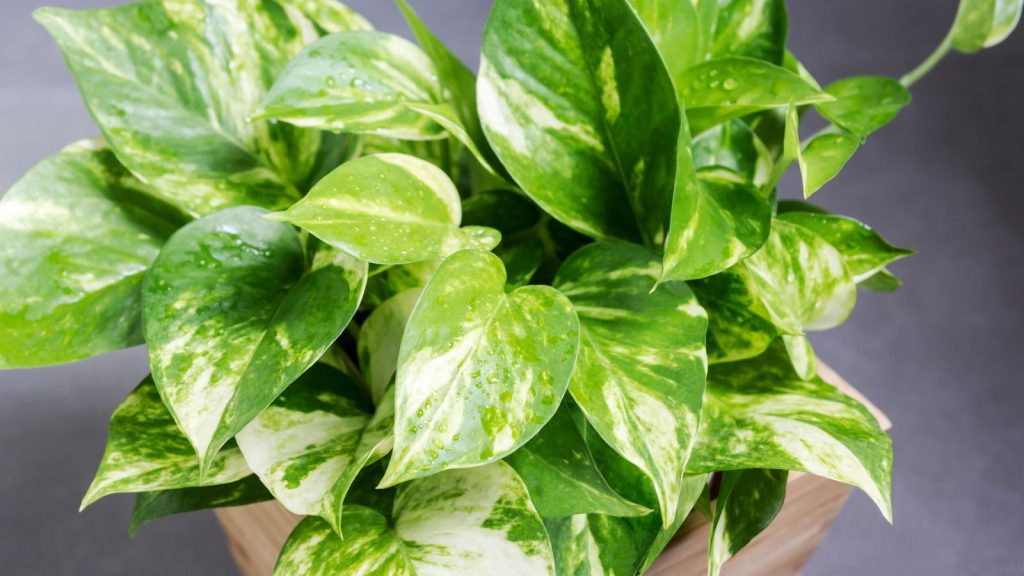
Known for its trailing vines and heart-shaped leaves, this hardy plant is one of the easiest to grow from cuttings. Pothos is popular for its forgiving nature, as it can tolerate occasional overwatering or drought.
Propagating pothos is as simple as snipping a vine, placing it in water or soil, and watching it develop roots. This makes it an excellent option for sharing with friends or quickly filling a space with vibrant, low-maintenance greenery.
Parsley (Petroselinum Crispum)
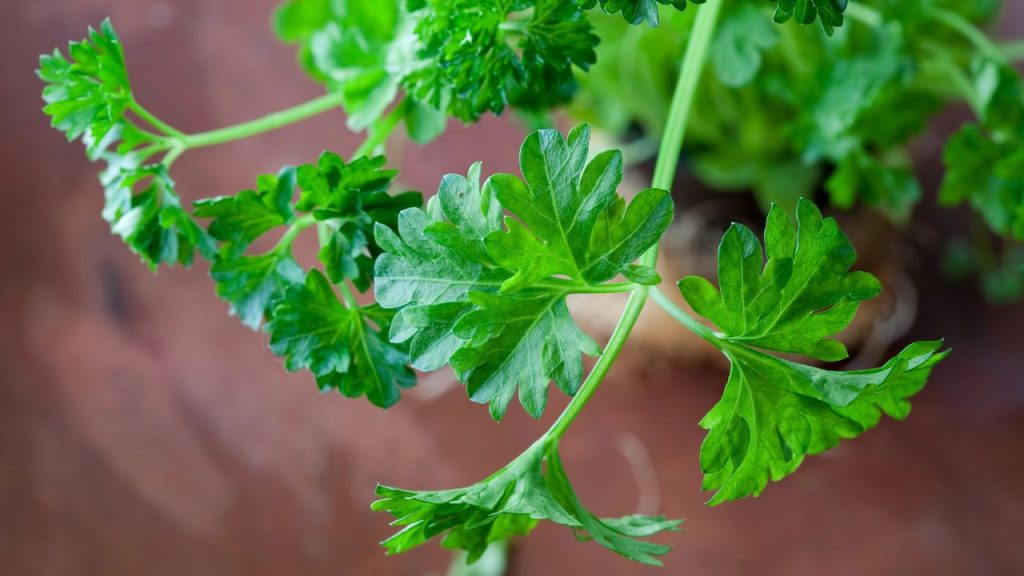
Parsley is great for homestead gardens. It is a beginner-friendly plant that is more forgiving than other herbs and can grow easily in many conditions.
- USDA Growing Zones: 2 to 11
- Propagation Method: Cutters generally do well in soil
- Sun Requirements: Full sun is ideal for full growth
- Soil Type: Moist soil with a pH of 6.0 to 7.0
- Height: Normal height is around 9 to 12 inches tall
ZZ Plant
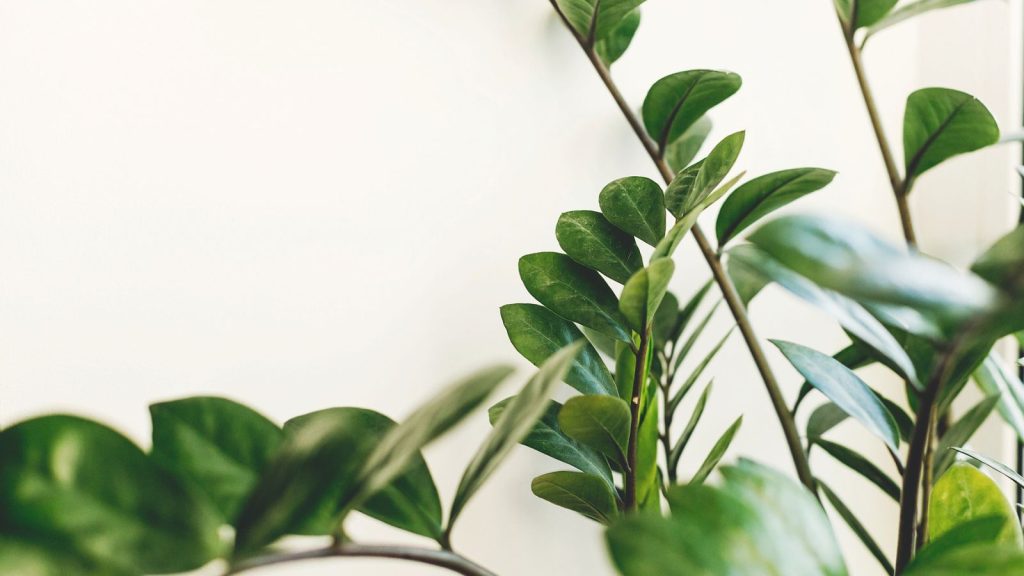
The ZZ plant is an excellent choice for growing from cuttings, thanks to its thick, waxy leaves and strong root system. Known for its resilience and low-maintenance care, this plant thrives in a variety of indoor conditions.
One reason the ZZ plant is so easy to propagate is its ability to store water in its stems and leaves, allowing it to tolerate dry periods. Propagating it from cuttings is a simple way to expand your collection or share this hardy plant with others.
Penstemon

With its tubular blooms in shades of pink, purple, and red, penstemon is a magnet for hummingbirds and bees. Penstemon is easy to propagate from cuttings, allowing gardeners to expand their collection without relying on seeds. This hardy perennial is also deer-resistant, making it a great addition to wildlife-friendly gardens.
Basil

Few herbs are as easily recognized or smell as heavenly as basil plants, so they are popular in home gardens for fresh dish preparations.
- USDA Growing Zones: 4 to 10
- Propagation Method: Easily propagated in water
- Sun Requirements: Full sun to partial shade
- Soil Type: Moist to semi-dry with a pH between 6.0 and 7.0
- Height: Up to 3 feet tall, though usually smaller
Rosemary
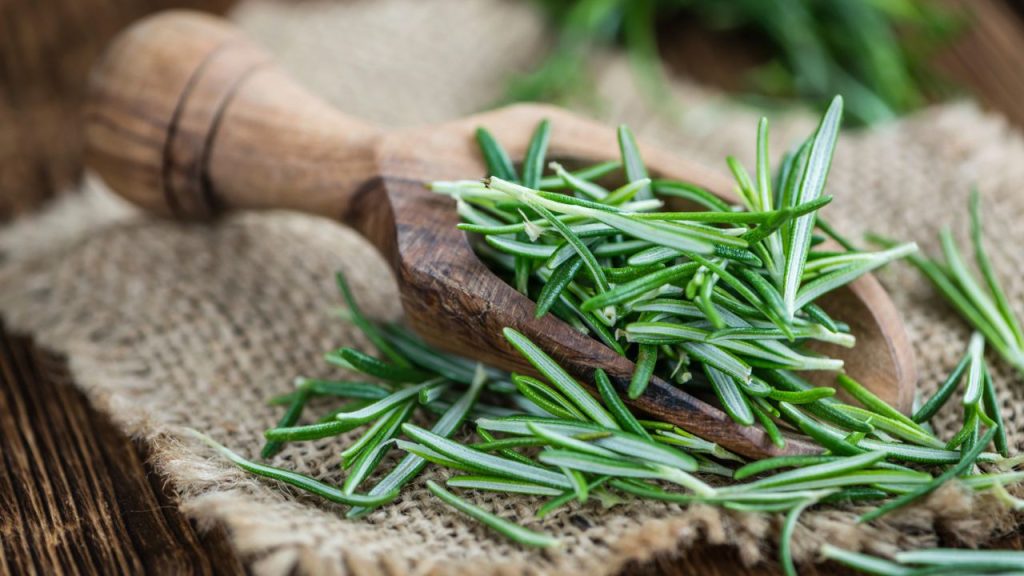
You can easily propagate rosemary from fresh batches bought at the grocery store.
- USDA Growing Zones: 7 to 10
- Propagation Method: Cutting can root in water or soil
- Sun Requirements: Full sun with maximum daylight exposure
- Soil Type: Tolerable of multiple soil types with pH 6.5 to 7.0
Clematis

Clematis has striking, vivid purple flowers. This sun-loving perennial prefers moderate watering and well-drained soil. Once established, it rewards gardeners with a breathtaking display year after year.
Clematis is easy to grow from cuttings. All you need to do is remove a few stems with new growth, remove leaves, and then prep them to be planted in water.
Dill

Dill is one of the most popular herbs because it is flavorful and very easy to propagate for beginning gardeners and homesteaders.
- USDA Growing Zones: 2 to 11
- Propagation Method: The ideal rooting method is water
- Sun Requirements: Full sun or some morning shade is ok
- Soil Type: Well-draining, rich, pH level of 5.5 to 6.5
Oregano

Oregano is quite popular among lovers of Italian cuisine and can easily be propagated for your gardens.
- USDA Growing Zones: 4 to 10
- Propagation Method: The recommended method is soil
- Sun Requirements: Full to partial sun is ideal
- Soil Type: Moist and organic soil with a pH of 6.5 to 7.0
Mint (Mentha)

With its refreshing flavor, Mint is a delightful addition to teas and beverages and enhances the taste of salads and various dishes. It may be one of the best propagation plants.
- USDA Growing Zones: 3 to 8
- Propagation Method: Cuttings are best rooted in water
- Sun Requirements: Full sun; can handle partial shade
- Soil Type: Well-drained but moist with a soil pH of 6.0 to 7.0
Lavender

Lavender makes a wonderful tea and other drinks. It can also be used as a natural air freshener for the home.
- USDA Growing Zones: 5 to 10
- Propagation Method: Can be rooted in water or soil
- Sun Requirements: Full sun is ideal for best growth and flowers
- Soil Type: Requires well-drained soil between pH of 6.7 and 7.3
How to Make Lavender Infused Oil
19 Flowers You’ll Adore If You Love Hydrangeas

If you’re a fan of hydrangeas and looking to expand your floral horizons, we’ve got a treat for you! Let’s take a look at some of the best plants and shrubs to grow alongside or instead of hydrangeas.
19 Flowers You’ll Adore If You Love Hydrangeas
8 Best Raised Garden Beds (What to Consider Before Buying)