With grocery prices climbing, many families are looking for ways to make their food budget stretch further. Everyday essentials can add up quickly, and small changes in the way you shop can make a noticeable difference over time.
Saving money at the grocery store doesn’t always mean buying less or giving up the foods you enjoy. Often, it comes down to shopping with a plan, avoiding unnecessary purchases, and making smarter choices before you reach the checkout counter.
Here are 12 practical ways to lower your grocery bill.

Use a Smaller Basket
A large shopping cart can make it easier to toss in extra items you didn’t plan to buy. Choosing a smaller basket encourages you to stick with the essentials and makes it easier to notice what you’re actually adding.
For quick trips, a basket may be all you need and can help prevent those last-minute impulse purchases.
Related: How to Reduce Your Grocery Bill
Choose Generic or Store Brands
Name brands often come with a higher price tag, but store brands can offer similar quality for much less. Many generic products are made with comparable ingredients and meet the same standards as their more expensive counterparts.
Try switching a few items at a time, such as pantry staples, cleaning supplies, and canned goods, to see which store brands work best for your household.
Related: Easy Ways to Keep Your Grocery Bill Under Control
Always Shop With a List
Walking into a grocery store without a plan can make it easy to overspend. A detailed shopping list keeps you focused and helps you avoid buying things you already have at home.
Whether you use a phone app or a handwritten list, organizing your purchases before shopping can make trips faster and more affordable.
Related: 23 Everyday Grocery Items Worth Stocking Before a Food Shortage
Check Your Pantry and Fridge First
Before heading to the store, take a few minutes to see what you already have. You may find forgotten ingredients tucked away in cabinets, the freezer, or the back of the refrigerator.
Taking inventory helps prevent duplicate purchases and can also reduce food waste.
Related: 13 Grocery Stores Where Budget Shoppers Save the Most Money
Buy Whole Fruits and Vegetables
Pre-cut fruits, chopped vegetables, and ready-made salad kits save time, but the convenience often comes with a higher price. Buying whole produce and preparing it yourself can lower your grocery costs.
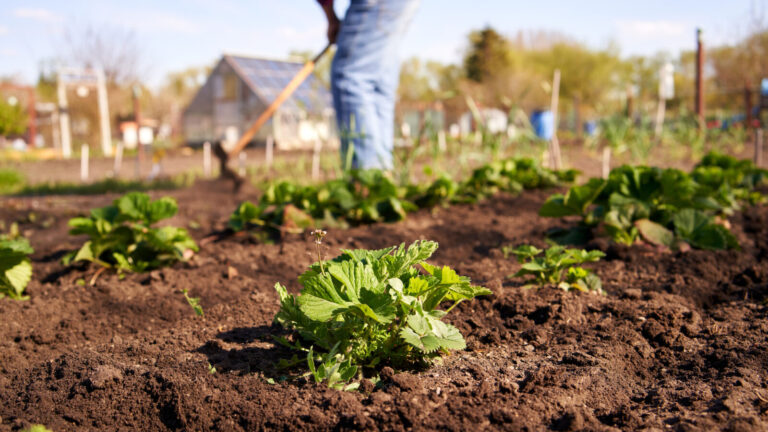
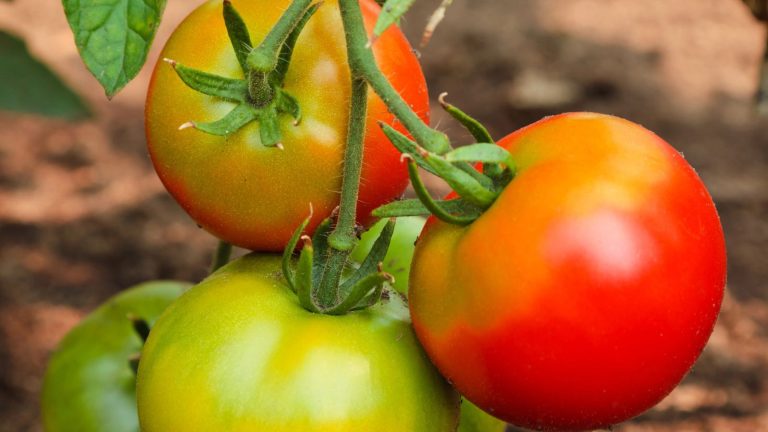
If you have space, growing herbs, vegetables, or fruits at home can also help reduce spending.
Shop for Seasonal Produce
Fruits and vegetables are usually cheaper when they are in season. They are often fresher, easier to find, and available at better prices because there is a larger supply.
Learning which produce is in season can help you plan meals around more affordable ingredients.
Avoid Shopping While Hungry
A growling stomach can make almost everything in the store look tempting. Shopping when you’re hungry often leads to buying snacks, treats, or items that weren’t on your original list.
Having a meal or snack before grocery shopping can make it easier to stick with your plan.
Plan Your Meals Ahead
Meal planning helps you know exactly what ingredients you need before you shop. Instead of buying random items and hoping they get used, you can purchase foods that already have a purpose.
Planning a few meals for the week can also make busy evenings easier and reduce the temptation to order takeout.
Compare Unit Prices
The biggest package isn’t always the best deal. Checking the unit price on shelf labels helps you compare different sizes and brands to find the better value.
Sometimes a smaller package costs less per ounce, while other times buying in bulk can save money.
Buy Certain Items in Bulk
Some foods are worth buying in larger quantities, especially items with a long shelf life. Rice, pasta, coffee, oats, and other pantry staples can often be cheaper when purchased in bulk.
Just make sure you have enough storage space and will actually use what you buy before purchasing large amounts.
Shop Without Extra Distractions
Shopping with family members or children can sometimes lead to more unplanned purchases. Extra requests and tempting displays can quickly increase your total bill.
If possible, shopping alone can make it easier to stay focused on your list and budget.
Freeze Extra Food
Buying larger quantities can save money, but only if the food gets used. Freezing extra portions of meat, bread, fruits, vegetables, or prepared meals can help prevent waste.
A well-stocked freezer can also make it easier to prepare meals without needing an extra grocery trip.
Small changes in your grocery habits can add up over time. By planning ahead, comparing prices, and making thoughtful choices, you can keep more money in your wallet while still bringing home the foods your household enjoys.