People used to be much more careful about wasting food and money because they simply couldn’t afford to be careless. During the Great Depression, families found ways to stretch what they had, cook with inexpensive ingredients, preserve seasonal food, and reuse things that might otherwise end up in the trash.
A lot of those habits still have a place in modern life. Growing some of your own food, cooking from scratch, saving leftovers, and buying staples in larger quantities can all help lower grocery costs. You don’t have to live like your great-grandparents to benefit from the way they handled money and food.
Saving money on groceries often comes down to what happens after you bring the food home. How you store it, cook it, preserve it, and use the leftovers can make just as much difference as the price you paid at the store.
Here are 12 old-school habits worth bringing back.
Provide Your Own Food
Growing some of your own food can make a noticeable difference in your grocery budget. You don’t need acres of land or a huge garden to get started. A few containers of tomatoes, herbs, peppers, or greens can give you fresh produce throughout the season.
Growing vegetables from seed can cost less than buying established plants, especially if you save seeds and grow the same varieties year after year.
Fishing is another way to put food on the table without making a trip to the supermarket. Learning how to fish for food can be useful for anyone interested in becoming more self-reliant.
Start small. If your garden already produces a few vegetables, try growing one or two more this year. A little extra production can add up over time.
Raise Livestock
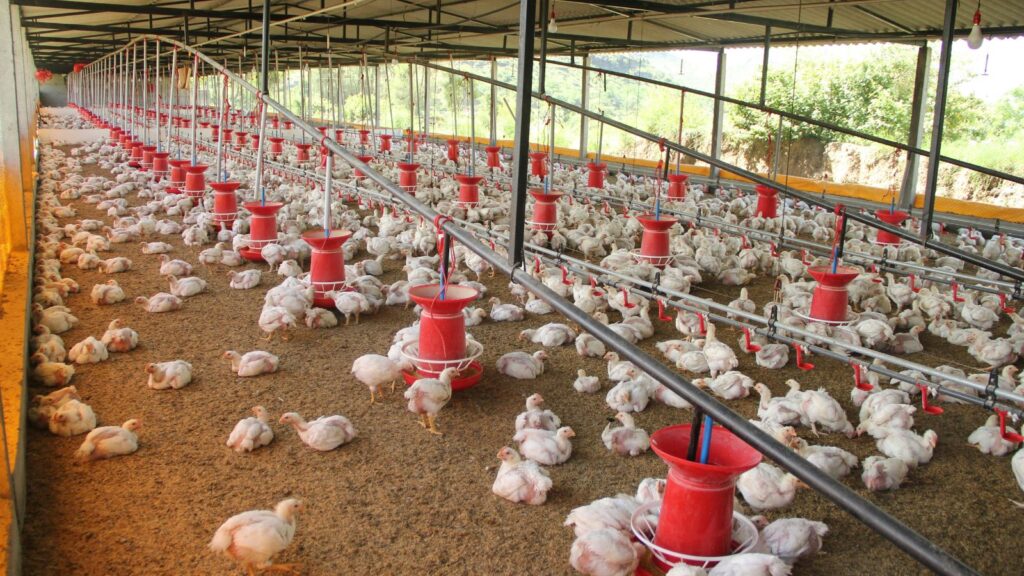
For people with enough space, raising a few animals can take home food production a step further. Chickens are a common starting point because they can provide eggs and, depending on your setup, meat.
Some people eventually move on to goats, rabbits, or other livestock. Chickens can be raised for meat with the right setup, and this guide on how to raise your own meat chickens can help you get familiar with the basics.
You don’t need a whole farm to benefit from keeping animals. A small flock can provide a steady supply of eggs and give you another way to reduce grocery purchases.
Preserve the Food You Grow
Growing food is great, but a garden can produce far more than you can eat at one time. Preserving some of that harvest lets you enjoy it after the growing season ends.
Learn how to can sauces, salsa, jams, and other foods safely. You can also learn which vegetables are best to freeze and how to store root vegetables so they last longer without filling your freezer.
Garlic is another good crop for long-term storage. With the right growing and curing methods, you can grow a year’s worth of
A vacuum sealer can also come in handy, especially if you buy meat in larger quantities or freeze homegrown vegetables. Removing excess air can help reduce freezer burn and keep food in better condition.
Make the Most of Leftovers
Throwing away perfectly good food is one of the easiest ways to waste money.
Older generations were often creative with leftovers because wasting food meant wasting money. Yesterday’s roast could become sandwiches, soup, hash, or a casserole. Extra vegetables could go into an omelet, soup, or stew.
You can do the same thing today. Before tossing something out, think about whether it can become part of another meal. A little planning can turn leftovers into lunch instead of another trip to the store.
Forage for Fruits and Vegetables
Wild foods can supplement what you grow and buy, but foraging requires real knowledge. Some edible plants have poisonous lookalikes, and eating the wrong plant can make you seriously ill.
Learn from reliable field guides, local experts, and hands-on classes before eating anything you find outdoors. Start with plants that are easy to identify and learn them well before moving on to anything less familiar.
A garden can also give you a place to grow food that attracts useful pollinators and wildlife. Here are 10 reasons to grow a wildflower garden.
Stock Your Pantry With Bulk Foods
Buying larger quantities can save money if you regularly use what you buy. Rice, oats, beans, flour, pasta, and other dry staples are often cheaper per pound in larger packages.
The trick is having a place to store them properly. Keep dry goods in airtight, food-safe containers to protect them from moisture and pantry pests.
Larger containers can make sense for staples you go through quickly. Just don’t buy more than you can store and use before it goes bad.
Eat Meatless Meals More Often
Meat can be one of the more expensive items on a grocery bill, so replacing a few meat-based meals each week with beans, grains, and vegetables can help lower costs.
Dried beans are particularly useful because they’re inexpensive, filling, and can be used in all kinds of meals. Black beans can become burritos, burgers, soups, or rice bowls. Chickpeas can be turned into hummus, added to salads, or used in curries.
Grains such as quinoa, amaranth, and farro can also add variety to meals. Use them for breakfast, salads, bowls, or as a substitute for rice in some recipes.
You don’t have to give up meat. Simply making a few meals each week without it can make the grocery budget go a little further.
Barter With Neighbors and Friends
Trading with people nearby was once a common way to get things you needed without spending cash. There’s no reason that idea can’t still work.
Maybe your garden produces more tomatoes and peppers than your family can eat, while a neighbor has extra eggs. Trade some of your vegetables for a dozen eggs.
The same idea can work with
Bartering can also help reduce waste. Instead of letting extra produce spoil, someone else gets to use it while you receive something you would have bought anyway.
Make More Food at Home
Cooking at home is one of the simplest ways to spend less on food. Many products that seem convenient at the store are surprisingly easy to make yourself.
Bread is a good example. With flour, yeast, water, salt, and a little practice, you can make loaves at home for less than many packaged options.
If you drink a lot of sparkling water, a SodaStream can cut down on the number of bottles and cans you buy.
There are plenty of other foods you can make at home, including crackers, granola, vanilla extract, and country wines.
Pick a few things you actually enjoy making. There’s no need to turn every meal into a homemade project.
Learn Basic Carpentry
People once repaired far more of their own furniture, fences, shelves, and household items instead of replacing them. Basic carpentry skills can still save money today.
Learning how to measure, cut, sand, drill, and make simple repairs can help you handle small projects around the house. You might be able to repair a broken shelf, build a simple storage box, or fix a piece of furniture instead of buying a replacement.
You don’t need to become an expert woodworker. A handful of basic skills can be useful for everyday repairs.
Learn Basic First Aid
Basic first aid is another practical skill that can save money and help you handle minor problems at home.
Knowing how to clean and bandage a small cut, treat a minor burn, recognize when an injury needs medical attention, and respond to common emergencies gives you more confidence when something goes wrong.
First aid knowledge should never replace professional medical care when it’s needed, but being able to handle minor injuries can save an unnecessary trip to a clinic or urgent care center.
Reuse Instead of Throwing Things Away
Older generations were often much more willing to find another use for something before throwing it away. That mindset can help your budget today.
An empty jar can become a food-storage container. An old shirt can become a cleaning rag. Kitchen scraps can go into a compost pile instead of the trash.
You can also reuse Mason jars for dry foods, spices, leftovers, or homemade mixes.
Before buying something new, take a quick look around the house. You might already have something that can do the job.
Learn How to Can at Home
Canning can help you save a large harvest and keep it available for months after the garden has stopped producing. It’s also a practical way to take advantage of seasonal produce when prices are low.
There is a learning curve, and food safety matters. Use tested recipes and proper canning methods rather than guessing at processing times or temperatures.
If you’re new to the process, this guide on how to start canning at home covers the basic equipment, methods, and resources you’ll need.
These old-fashioned habits aren’t about giving up modern conveniences. They’re about getting more use out of your money, your food, and the things you already own. A garden, a pantry full of staples, a few cooking skills, and a willingness to repair or reuse things can all add up to a lower grocery bill over time.
Other Topics You Might Like
- 21 Essential Emergency Supplies That Every Home Should Have Stocked
- 15 Absolute Best Canned Foods to Stockpile in Your Emergency Pantry
- How to Prepare an Emergency Bug-Out Bag (For Any Situation)
- 14 Essential Items to Stockpile Monthly for a Strong Emergency Stash

Carrie Williams Howe is an educational leader by day and an aspiring homesteader by night and weekend. She lives on a small homestead in Vermont with her husband, two children, and a rambunctious border collie. She blogs about her family's homestead life at The Happy Hive.