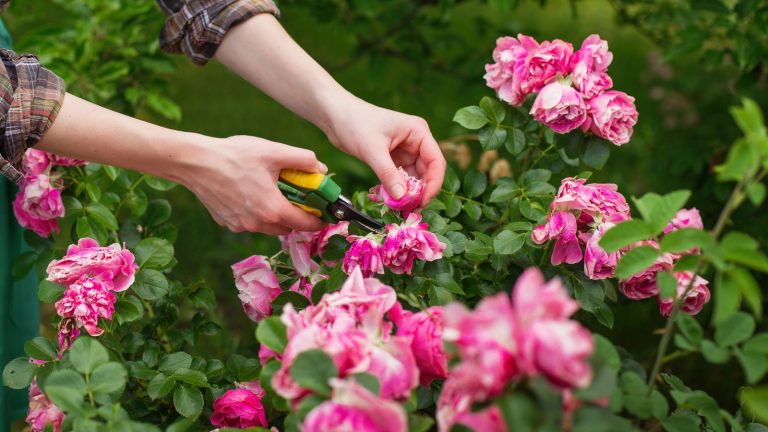
Stocking up on supplies is a smart part of emergency preparation, but stored food and medicine will eventually run out. A garden can provide a renewable source of food, natural remedies, and useful materials when access to stores becomes limited.
A survival garden is about more than growing common vegetables. Certain plants can offer calories, healing properties, flavor, and practical uses year after year. Many of these plants are hardy, low-maintenance, and valuable additions to a self-sufficient homestead.
Here are 15 plants every prepper should consider growing.

1. Potatoes
If you could only choose one major food crop, potatoes would be a strong choice. They produce a large harvest, provide plenty of calories, and can be grown in garden beds, containers, buckets, or other creative setups.
A single potato plant can produce several pounds of tubers under the right conditions. They are filling, easy to store, and can be prepared in countless ways, making them a dependable food source.
Related: Keep These Plants Away From Your Raspberry Patch
2. Jerusalem Artichoke (Sunchoke)
Jerusalem artichokes are a hardy root crop that produces edible tubers similar to potatoes. They grow well in poor soil, require little attention, and return year after year.
Their ability to spread makes them a reliable crop for long-term food production. Once established, they can provide a steady supply of high-calorie tubers for a survival garden.
3. Yarrow
Yarrow has been used for centuries as a medicinal herb. It has traditionally been used for minor wounds, inflammation, and cold symptoms.
This tough plant handles dry conditions well and requires little care. It can spread quickly, so keeping it contained helps prevent it from taking over other parts of the garden.
Related: 12 Backyard Plants That Help Attract Bluebirds Naturally
4. Echinacea (Coneflower)
Echinacea is a popular medicinal plant often grown for its traditional use in supporting immune health. It is easy to grow and produces colorful flowers that attract bees and butterflies.
Beyond its appearance,
5. Elderberry
Elderberry bushes provide flowers and berries that can be used to make syrups, teas, and jams. The berries contain antioxidants and have long been used in traditional remedies.
This hardy shrub can grow in many conditions and can even be grown in containers. A mature elderberry plant can provide a reliable yearly harvest.
6. Cattail
Cattails are one of the most useful wild plants for survival situations. Found near wetlands, they provide food, fiber, and materials for practical projects.
The young shoots, roots, and pollen can be eaten when properly prepared. The leaves can be used for weaving mats, making simple crafts, or adding insulation to shelters.
Related: These Companion Plants Can Help Protect Your Cabbage
7. Chicory
Chicory is a valuable survival plant because nearly every part has a purpose. The roots can be roasted and used as a coffee substitute, while the leaves can be eaten or used in herbal preparations.
For people who enjoy coffee, having a plant that can provide a familiar drink during difficult times can be a welcome addition to the garden.
8. Milkweed
Milkweed is best known for supporting monarch butterflies, but it also has traditional food uses when prepared correctly. Young shoots, flowers, and pods can be eaten after proper cooking.
Its ability to attract pollinators makes it a helpful plant for supporting a healthy garden ecosystem.
Related: 9 Common Garden Plants That Can Cause Trouble for Eggplants
9. Wild Garlic
Wild
Once established, wild
10. Prickly Pear Cactus
For gardeners living in dry regions, prickly pear cactus can be an excellent survival plant. It produces edible pads and fruit while requiring very little water.
The fruit provides food, and the pads contain moisture that can be useful in certain survival situations. Its ability to tolerate harsh conditions makes it a practical desert crop.
11. Serviceberry (Juneberry)
Serviceberry trees and shrubs produce sweet, nutritious berries that can be eaten fresh, dried, or added to recipes.
They grow well in many climates and can even be planted in containers. A serviceberry plant provides food while also attracting birds and pollinators.
12. Horehound
Horehound is a hardy herb traditionally used for making cough drops, teas, and herbal remedies.
It grows well in poor soil and does not require much maintenance. Keeping horehound in a survival garden provides a useful plant for respiratory-related home remedies.
13. Wild Mint
Mint is one of the easiest herbs to grow and can provide years of harvest with minimal effort. It can be used for teas, cooking, and traditional digestive remedies.
Because mint spreads aggressively, many gardeners prefer growing it in containers to keep it from taking over the garden.
14. Plantain
Plantain is a common plant often mistaken for a weed, but it has many useful qualities. The young leaves are edible, and the plant has been traditionally used for soothing minor wounds and insect bites.
It grows in disturbed soil and can often be found growing naturally in yards, paths, and fields.
15. Amaranth
Amaranth is an ancient crop that was an important food source for the Aztec civilization. It produces nutritious seeds and edible leaves.
The seeds can be cooked like grains, ground into flour, or used in baked goods. Amaranth is also drought-tolerant and grows well in many conditions, making it a valuable crop for a survival garden.
Growing a mix of food crops, herbs, and useful plants gives a garden more value than relying on a single harvest. A well-planned survival garden can provide nourishment, natural remedies, and practical resources for years to come.